

Many households keep putting off the major task of cleaning walls and ceilings: it feels too strenuous, too risky and involves too much climbing. Yet a surprisingly simple combination of two everyday products can make the job manageable again – particularly for older people and their relatives.
Why walls and ceilings are so often overlooked
Dust, grease and nicotine do not settle only on furniture; they also build up on walls and ceilings. The dirt often becomes noticeable only once grey films, dull patches or small shadows appear around lights and in corners.
- Allergens and fine particulate matter collect on wallpaper and painted surfaces.
- In damp rooms such as bathrooms and kitchens, mould spores can form quickly.
- Over time, light-coloured walls can look dull and “dirty”, even when the home is vacuumed regularly.
For older people and those with limited mobility in particular, the prospect of using a ladder or an unsteady stool can be off-putting. Relatives and carers know the issue well: they want to help, but may not have the strength or time for hours of cleaning.
The cleaning mix that changes everyday cleaning
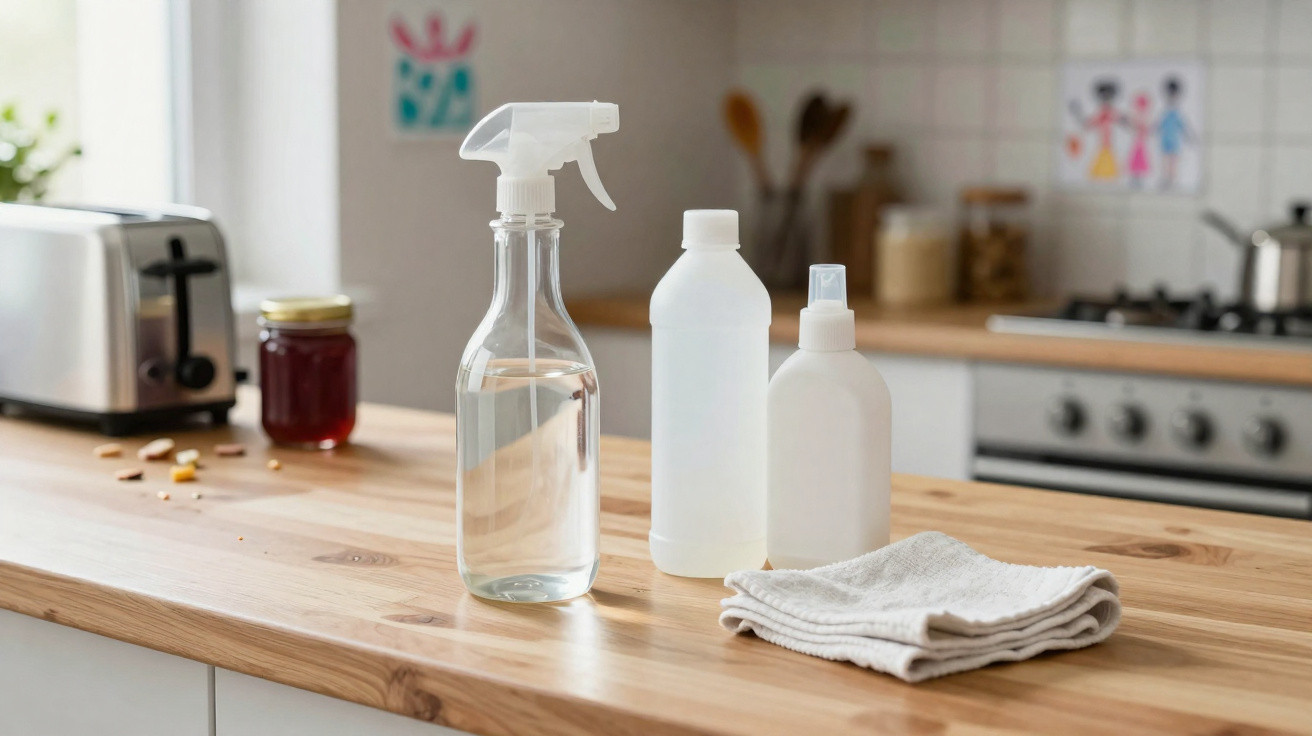
Two familiar cupboard staples are bringing a fresh approach: a mild soap solution made with so-called black soap, plus a little clear household vinegar diluted in warm water. This combination cuts through grease, captures dust and neutralises odours – without harsh chemicals.
“A simple blend of soap, vinegar and warm water is enough to clean an entire room’s ceiling and walls in around half an hour.”
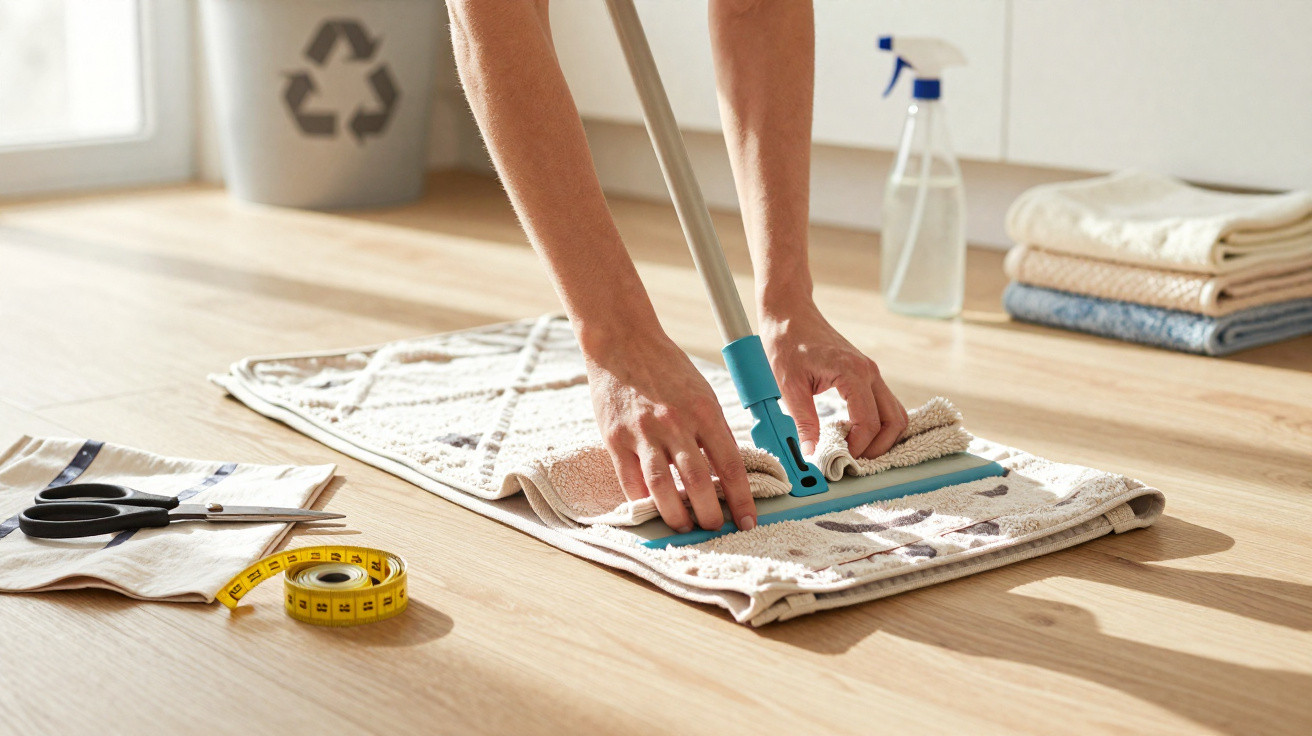
What matters less than what is in the bucket is how it is applied. Rather than using a sponge and cloth, use a flat mop with a telescopic handle, like the type normally used for cleaning floors.
How to use the method step by step
1. Choose the right equipment
Very little is needed to try this method:
- A flat mop or floor mop with a telescopic handle
- A microfibre pad, ideally removable and washable
- A bucket of warm water
- A little black soap or another mild, concentrated soap
- A little clear vinegar
- A soft cloth or duster for preliminary cleaning
The telescopic handle is essential: it eliminates the need for ladders and makes high ceilings accessible while standing comfortably on the floor.
2. Prepare the mixture
The quantities can vary slightly, but the following rule of thumb works well:
| Ingredient | Recommended amount per 5 litres of water |
|---|---|
| Warm water | approx. 5 litres |
| Black soap (or mild liquid soap) | 1–2 tablespoons |
| Household vinegar (clear) | 1 small glass (approx. 100 ml) |
The solution should have a faint soapy smell, without foaming like a washing-up bowl. Using too much product can leave streaks or affect delicate paint finishes.
3. Damp, not soaking, microfibre
This is the most important point: the pad should be damp rather than dripping wet. If it holds too much water, droplets and runs can form, paint may lift or wallpaper can swell.
A practical routine:
- Briefly dip the pad into the bucket.
- Wring it out thoroughly, using a wringing attachment if available.
- Test it first: wipe over an inconspicuous section of wall once – if nothing drips, it is ready.
4. Work from the bottom upwards
It may seem counterintuitive, but it is sensible: start at the bottom of a wall and move upwards. This avoids dark edges and water runs on areas that have already been cleaned.
Recommended order:
- First remove dust while dry, with a duster or dry microfibre cloth.
- Next, clean the walls from the skirting board towards the ceiling.
- Finish with the ceiling, working in the direction of the light – parallel to the light coming from a lamp or window.
“When you work in the light and in strips, you can immediately see where a film remains and where everything is already clean.”
Health and safety: why this method is so popular
There is more behind the trend than enthusiasm for cleaning. In many homes, people live with allergies, asthma or chronic respiratory conditions. Layers of dust on walls and ceilings can quietly increase that burden.
The method provides noticeable relief for these groups in particular:
- Older people who need to avoid falls from stools or ladders
- Relatives who already organise many everyday tasks and lack the energy for complicated cleaning routines
- Allergy sufferers who depend on low-dust rooms
- Families with young children who want to reduce pollutants in indoor air
The benefit is twofold: the air feels clearer, while those affected retain the sense that they can still manage their own home – an important psychological factor, especially in later life.
Common mistakes to avoid
Although the method sounds straightforward, small details often cause problems in practice. Typical pitfalls include:
- Too much water: this causes streaks and drips and, in the worst case, peeling paint.
- Products that are too harsh: cleaners containing chlorine, strong fragrances or solvents can damage paintwork and wallpaper.
- The wrong order: starting with the ceiling can leave marks on the walls.
- Not ventilating: without airing the room properly, moisture remains for longer and can encourage mould.
A better approach is to open all windows wide after cleaning, along with the internal doors, to create a gentle through-draught. The walls and ceiling will then dry quickly, and the room will feel noticeably fresher.
How often should walls and ceilings be cleaned?
There is no fixed rule, as the right intervals depend greatly on how a room is used and the living situation. These are broad guidelines:
- Living room: a thorough clean every 6–12 months
- Kitchen: every 3–6 months, depending on cooking habits
- Bathroom: more often where humidity is high and ventilation is limited, at least twice a year
- Bedrooms used by allergy sufferers: preferably at shorter intervals, around every 4–6 months
Between deeper cleans, a dry dusting with a soft telescopic brush is usually sufficient.
What makes black soap and vinegar effective
Many people ask why this particular combination works so well. Black soap is generally made from vegetable oils. It loosens grease and dirt without being as aggressive as some kitchen cleaners. Vinegar lowers the pH slightly, helps loosen limescale and nicotine residues, and neutralises odours.
In brief:
- The soap lifts dirt from the surface.
- The microfibre removes it mechanically.
- The vinegar helps tackle deposits and leaves a more matt finish rather than a greasy shine.
Anyone with very delicate walls – lime plaster or hand-painted finishes, for example – should test the mixture first in an inconspicuous area. Modern wall paints usually tolerate the diluted solution without difficulty.
Where the method reaches its limits
Useful as this trick is, it cannot replace every specialist treatment. Heavy nicotine staining in smokers’ homes, old water marks or mould that has already taken hold often require more than simple cleaning. Primer, repainting or, in the case of mould, even a professional assessment may be needed.
Textured plaster with deep grooves can also be challenging. While microfibre reaches many recesses, isolated pockets of dirt can remain in very coarse plaster. A second pass or a soft brush can help in that case.
Everyday examples in practice
In multi-generational households, relatives report that they can now divide up the major clean: younger family members deal with kitchen fronts and floors, while older people use the telescopic mop for the walls, without lifting or bending. In small city flats, a Saturday morning is often enough to go through the living room and bedroom completely “from bottom to top”.
There is another advantage: once people have tried the method, they also use it when preparing to move or before handing back a property. Rental homes in particular immediately look better cared for when their walls and ceilings are clean – often a useful point during the final inspection.
“The combination of mild soap, vinegar and a telescopic handle gives many households something in short supply in everyday life: greater safety, less stress and a visibly fresher home.”

Comments
No comments yet. Be the first to comment!
Leave a Comment