

Homeowners who previously relied on fibreglass are increasingly choosing a markedly different insulation material: cork. Best known for wine stoppers and noticeboards, this traditional material is gaining recognition as an effective, lower-impact option that responds to both rising energy prices and increasing environmental concerns.
From glass fibres to tree bark: a shift in priorities
For many years, fibreglass led the insulation market because it was affordable and readily available. However, a growing number of households are reconsidering the balance between price, comfort and health. The irritation caused during fitting, worries over micro-particles and an interest in natural materials are encouraging people to seek alternatives.
Made from the bark of cork oak trees, cork has filled part of this space. Initially popular with eco-renovation advocates, it is now gradually appearing in more conventional construction schemes, from city flats to rural cottages.
Cork offers thermal and acoustic performance on par with many synthetic products, while coming from a renewable, low-energy production process.
Why cork insulation keeps homes warm and quiet
Thermal performance for winter and summer
Cork contains millions of minute cells filled with air. That cellular arrangement restricts heat transfer, giving the material low thermal conductivity. Put simply, it slows heat moving through floors, walls and roofs.
During winter, cork helps retain costly indoor heat. In summer, it postpones the entry of heat from outdoors, an effect known to specialists as “thermal phase shift”. Rather than rooms becoming excessively hot by midday, cork can delay the temperature peak for several hours, often until the evening, when outside temperatures have already begun to fall.
The longer the heat takes to pass through the building envelope, the more stable and comfortable indoor temperatures remain throughout the day.
This quality makes cork especially appealing in areas experiencing heatwaves more often. While conventional insulation commonly concentrates on winter efficiency, cork provides a more even answer to climate pressures across the whole year.
Natural sound absorption
Cork’s dense yet flexible composition also makes it an effective acoustic insulator. Instead of bouncing vibrations back, it absorbs them, helping to reduce road noise, footsteps from neighbouring homes and echoes within rooms.
- In flats, cork beneath flooring limits impact sound travelling between storeys.
- On outside walls, it reduces the drone from nearby main roads and busy streets.
- Within the home, it can lessen reverberation in open-plan spaces.
The benefit is therefore more than reduced energy costs: it also creates a more peaceful setting, something many homeowners now value as much as thermal comfort.
The environmental benefits of cork
Renewable harvesting without felling the tree
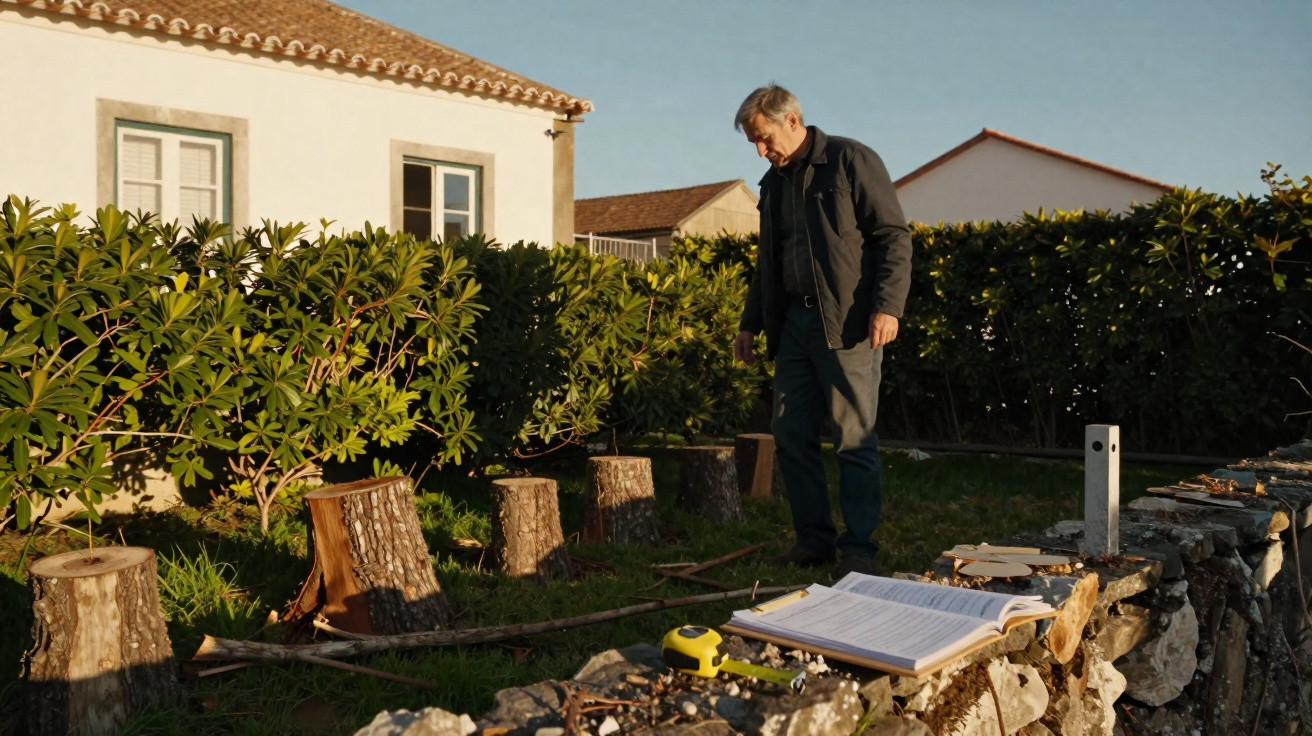
Cork is obtained from the bark of the cork oak, which grows mainly around the Mediterranean. Trained workers remove the outer bark every nine to twelve years without cutting down the tree. Over its long lifespan, the bark regenerates time and again.
As a result, cork is a renewable material: the tree continues to capture carbon while supporting local biodiversity. Cork oak landscapes are recognised both as valuable wildlife habitats and as a source of employment in rural areas.
Producing cork insulation is also generally less energy-intensive than manufacturing many synthetic alternatives. It typically requires limited processing and frequently avoids aggressive chemicals and added resins.
Cork can be renewable, recyclable and biodegradable, giving it a smaller environmental footprint than many traditional insulators.
No toxic legacy at end of life
When a building reaches the end of its life, cork may be reused, milled into material for new products or allowed to biodegrade naturally. It does not break down into persistent microplastics. For homeowners aiming to limit the lasting consequences of renovation decisions, this full lifecycle can matter nearly as much as in-use performance.
Cork uses beyond the wine stopper
Unlike fibreglass rolls, which are principally used in lofts and cavity walls, cork is supplied in several useful formats. This flexibility allows it to work in new-build homes as well as complex renovation projects.
| Form of cork | Typical use |
|---|---|
| Rigid boards | Internal or external wall insulation, flat roofs, under screed |
| Rolls or sheets | Underlay for floors, thin internal lining, acoustic treatment |
| Granules | Loose fill for cavities, sloping roofs, irregular spaces |
For wall applications, cork boards can be attached directly to masonry or timber framing before being finished with plasterboard or render. On roofs, they can be positioned below the waterproofing layer, helping to control temperature fluctuations and reduce noise from rain or passing aircraft.
Used beneath floors, cork underlay enhances comfort and acoustic insulation, particularly under hard finishes such as laminate or tiles.
Durability beyond short-term solutions
Cork is naturally rot-resistant. Occasional exposure to moisture does not readily damage it, while mould, insects and rodents are resisted without the need for heavy chemical treatments.
Its internal structure remains stable for decades, meaning its insulating performance will not slump or collapse within a wall cavity. This durability forms an important element of the financial case for the material.
Once installed correctly, cork can perform for many decades with little or no maintenance, spreading its higher upfront cost across a long lifespan.
Cork also has comparatively low flammability. In a fire, it generally chars at the surface instead of bursting into flames, and it does not normally emit the same range of toxic gases linked with certain synthetic materials. For households focused on safety, this offers an additional degree of reassurance.
The price of cork insulation: higher initially, lower over time
Cork typically has a higher cost per square metre than fibreglass. For families already dealing with substantial renovation costs, the difference may appear difficult to justify.
However, energy advisers stress that insulation is best treated as a long-term investment rather than a single expense. Cork’s thermal properties reduce heating and cooling requirements year after year. In carefully planned projects, this may result in meaningful energy-bill savings, particularly in older properties with poor insulation.
Property value is another consideration. Purchasers are increasingly interested in low-energy, “healthy” homes. Estate agents say that natural, high-performance materials may contribute to a higher asking price or a quicker sale, especially in urban markets where eco-friendly features are prominent in listings.
Where cork works best
Older, draughty properties and noisy areas
Cork is particularly well suited to solid-wall homes dating from the 19th and early 20th centuries, where insulating externally or internally is often the only practical route. It can also work well in loft conversions, garden offices and timber-frame extensions that require effective acoustic control.
Properties close to busy roads, railway lines or schools can gain twice over, with lower heat loss alongside noticeably quieter rooms. For many occupants, that combined advantage warrants the greater upfront outlay.
Renovations focused on health
Those with allergies or respiratory conditions often look for products without irritating fibres or intensive chemical treatment. Although no material is wholly without risk, cork’s natural source and limited processing appeal to people seeking to reduce synthetic materials in their indoor environment.
Practical checks before choosing cork insulation
Anyone considering cork insulation should assess more than promotional claims. Important factors include:
- Thermal resistance (R-value) for a given thickness, allowing comparison with other materials.
- Moisture behaviour, particularly in older solid walls that must remain breathable.
- Whether it is compatible with existing finishes and structural components.
- Local supply and the availability of experienced installers.
In certain climates, a combination of cork and other materials may be appropriate. Cork, for instance, can be used alongside wood fibre boards or cellulose to strike a balance between performance and cost, or incorporated into a layered construction that controls both moisture and noise.
Key cork insulation concepts to know
Two technical terms regularly arise when cork insulation is discussed. The first is thermal conductivity, which indicates how easily heat travels through a material. Lower conductivity delivers better insulation at the same thickness.
The second is thermal phase shift: the time delay between the peak outdoor temperature and the warming of internal surfaces. Materials with a high phase shift, including cork, help interiors remain cooler during daytime heat. This can reduce dependence on air conditioning and make bedrooms more comfortable overnight.
A straightforward home energy simulation carried out with an architect or energy assessor can demonstrate the effect of replacing fibreglass with cork. In many instances, the model will reveal reduced heating demand, steadier internal temperatures and improved acoustic comfort, giving homeowners a clearer understanding of what they gain by moving from glass fibres to tree bark.


Comments
Стоимость
• Акрил — лёгкий пластик, сохраняет форму конструкций https://adentalab.ru/
Некоторые виды зубных протезов, которые изготавливают в стоматологии:
3 https://adentalab.ru/
Примерка восковой модели https://adentalab.ru/
После создания гипсовой модели изготавливается восковая модель протеза https://adentalab.ru/
Пациент приходит на первую примерку https://adentalab.ru/
Врач оценивает посадку протеза, его соответствие анатомическим особенностям челюсти и комфорт пациента https://adentalab.ru/
Примерка позволяет выявить возможные несовпадения, и в случае необходимости модель корректируется https://adentalab.ru/
• Диоксид циркония — отличается прочностью, используется для изготовления коронок, которые в дальнейшем устанавливаются вместо жевательных зубов https://adentalab.ru/
Выбор протезов и материалов, из которых они будут изготавливаться, осуществляет врач, сочетая своё решение с мнением пациента https://adentalab.ru/
Leave a Comment