
The first icy October rain had only just begun when the scratching started. Outside, behind the compost bin, something was shifting where nothing ought to be. A neighbour peered over the fence with a mug in hand and said in a quiet, knowing voice: “Rats. They’re looking for a winter hotel.”
You scan the flowerbeds, which suddenly look less like a peaceful retreat and more like a buffet with accommodation attached. Windfall apples, hollow bricks, that untidy patch you have been “meaning to sort”. Your thoughts jump straight to traps, poison and costly gadgets.
Then your neighbour shrugs: “You’ve already got what you need in your bathroom.”
One everyday tube. And the situation suddenly feels different.
Why rats choose your garden as their winter home
Rats do not “invade” in the way horror films suggest. They arrive discreetly, sniffing around and checking whether your garden is worth the effort.
Their requirements are straightforward: food, water, shelter and security. A compost bin, a woodpile, seed scattered beneath a bird feeder or a damaged drainpipe. For a rat, this is not clutter. It is prime property.
As the temperature falls, your garden becomes a map of possibilities. Thick shrubs, stacks of pots and even a forgotten plastic bag can provide cover. They are not trying to frighten you; they are simply trying to avoid the cold.
Ask a pest controller who receives calls in late autumn. They will usually tell you the same thing: enquiries surge immediately after the first cold spell.
One UK survey found that rat call-outs climbed by nearly a third between October and January. Gardeners often report seeing “just one” rat initially. By the time they seek help, there may be a network of runs beneath the shed and droppings behind the compost heap.
One technician in London told me he can often picture a garden’s layout before he arrives. “Let me guess,” he laughs, “bird table, thick ivy on the fence, deck with a gap underneath?” He is correct more often than not.
Without the drama, the logic is almost dull. When a garden provides warmth, cover and food, rats will remain.
When it does not, they carry on elsewhere. They have no emotional attachment to your raised beds. With their whiskers and paws, they conduct a cost-benefit analysis.
That is where one unassuming bathroom product can help. It does not kill or hurt them. Instead, it alters that cost-benefit calculation in a way rats dislike.
They smell it, encounter it and decide: “Too much risk. Not worth it.” Then they make their winter arrangements somewhere else.
The bathroom product that makes rats hate your garden: peppermint toothpaste
The supposed “secret weapon” may be beside your toothbrush: strongly scented peppermint toothpaste. Not a glittery gel, but the traditional intensely minty type that can make your eyes water slightly.
Rats depend heavily on scent to find their way, locate food and recognise threats. A powerful peppermint smell can overwhelm their senses and obscure the scent trails they know. For them, it is like entering a room where a fire alarm is constantly blaring.
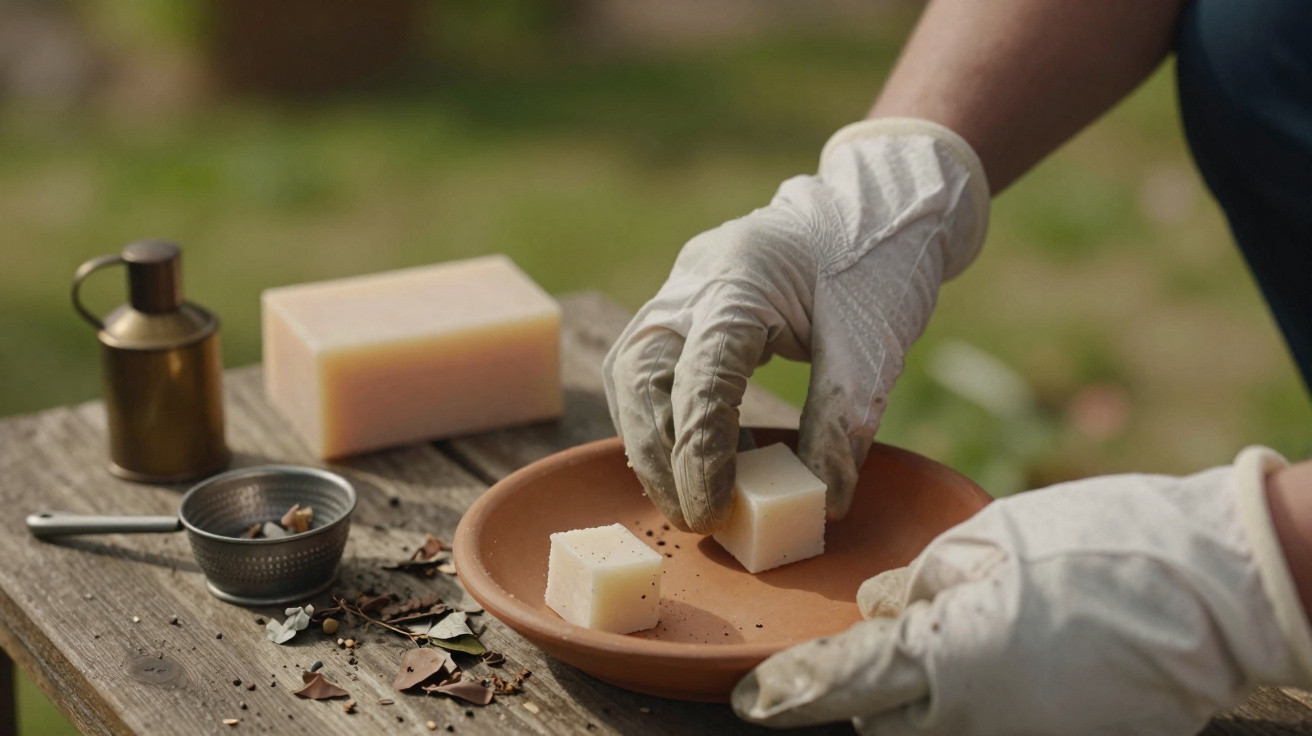
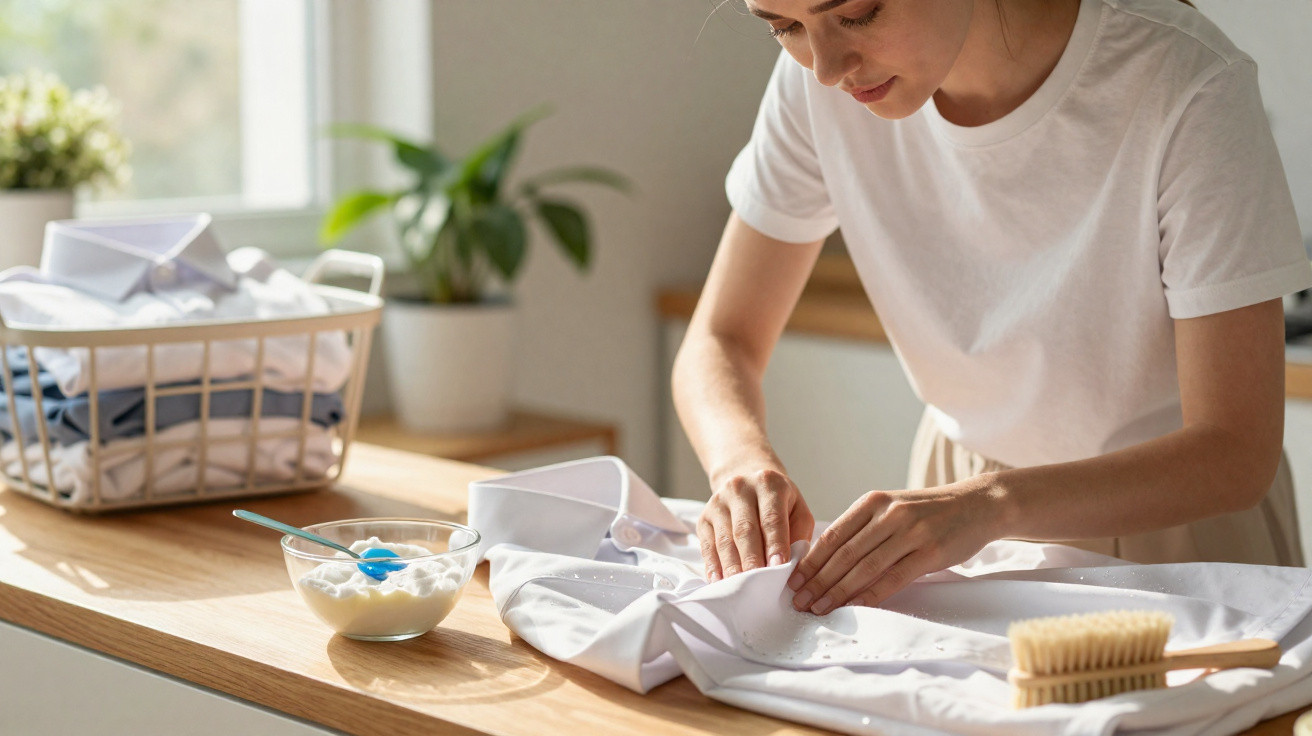
This is the straightforward approach that many gardeners quietly recommend. Take inexpensive cotton pads or cotton wool balls. Put a generous blob of toothpaste on each one. Place them in the spots rats favour: behind the compost bin, beneath the shed, along fence lines and near cracks or holes. You are not laying poison; you are sending out a strong minty “No vacancy”.
The method is not a magic spell, but a deterrent. I met a retired couple who began using peppermint toothpaste around their allotment after finding droppings under the water butt.
They tucked mint-covered pads into gaps in an old brick wall and around the bottom of their pallet-built compost system. Within a week, the nocturnal rustling they had been hearing beside the fence had stopped. The burrow openings near the shed collapsed and were not remade.
Were the rats “gone forever”? Probably not from the surrounding area. The reality was more straightforward: the garden was no longer among their comfortable winter choices. Rats would sniff, recoil from the strong odour and continue down the alley. The couple now replace the pads every two to three weeks during winter, as routinely as they clean their tools.
Peppermint toothpaste acts in three ways. First, the menthol scent is intense for small mammals with highly sensitive noses. They may perceive powerful, unfamiliar smells as evidence of danger or disruption.
Second, its oily, sticky consistency adheres to surfaces and can remain longer than essential oils on their own. Pure peppermint oil may evaporate quickly, whereas toothpaste stays in gaps and crevices.
Third, positioning matters just as much as the product. By targeting the routes rats use - fence lines, walls, beneath decking and beside rubbish bins - you create a sensory barrier across their familiar pathways. They prefer reliable, safe routes. Once those routes feel unsuitable, they generally select easier ground.
No fuss. Just discreet deterrence.
How to use peppermint so rats will not overwinter in your garden
Picture your garden as a rat’s winter map, then use peppermint to redraw it. Begin by slowly walking around its boundaries. Check for small spaces beneath fences, loose planks, hollow bricks, dense ivy and piles of clutter.
Next, create your peppermint “roadblocks”. Use cotton pads, scraps of fabric or small pieces of sponge. Coat them with toothpaste, then push them into these entry points and hiding places.
Beneath the shed. Behind pots stored in stacks for winter. Inside hollow blocks and along the rear of the compost bin. You are making a minty boundary that tells any rat exploring: this place does not feel right.
Some people do far too much, while others barely do enough. They spread toothpaste everywhere once, forget about it and are disappointed when its effect disappears. Or they put two tiny dabs by the patio and expect rats to understand the message.
The sensible approach lies between those extremes. Use it generously, but only in focused, useful areas. Renew it approximately every two to three weeks in cold, dry conditions, and more frequently after heavy rain.
Let us be honest: nobody truly does this every day. Make it part of a job you already do - such as a Sunday garden inspection or when you bring the bins back in. Small, consistent actions are more effective than one heroic mint attack in November.
You may feel slightly ridiculous at some point, crouching behind the shed with a tube of toothpaste. You are not. You are altering the pattern of your garden in a non-toxic, inexpensive way.
“Rats taught me that prevention is just a series of small, stubborn habits,” a city gardener told me. “The toothpaste trick is only weird until you stop finding droppings.”
Alongside peppermint, several simple changes can make the garden much less appealing:
- Raise bird feeders and remove spilled seed every day in winter.
- Keep pet food and seed in sealed containers, rather than sheds with gaps.
- Cut back thick ground cover and ivy close to walls to remove “invisible” corridors.
- Raise woodpiles on bricks or a pallet to allow air underneath.
- Seal gaps beneath sheds and decking with fine mesh where possible.
This is not about achieving perfection. It is about delivering a clear, consistent message: this garden is not an easy winter refuge.
Living with winter without hosting rats
There is a quiet comfort in stepping into the garden on a cold morning and hearing… nothing. Only wind in bare branches, one or two birds at the feeder and perhaps a neighbour’s door shutting.
No frantic scratching beneath the decking. No sudden movement near the compost. Just your own space, at rest.
Using a single bathroom product to shift the balance against rats can seem almost too easy. Yet practical solutions often look exactly like that: ordinary items used with a little determined purpose. We all recognise the moment when disorder takes over because small warning signs were ignored for too long.
Peppermint toothpaste is not a replacement for sound hygiene or repairs to physical gaps. It does not have to be. It works most effectively as a signal, alongside the small, unexciting routines that help keep a space healthy.
Share the idea with a neighbour who keeps hearing sounds near their bins. Try different locations, compare what you notice and adapt when the weather changes. Your garden does not need to be perfect to discourage rats.
It simply needs to be less appealing than the one further down the street.
| Key point | Detail | Why it matters to the reader |
|---|---|---|
| Peppermint toothpaste as a deterrent | Strong mint overwhelms rats’ sense of smell and masks scent trails | Provides an inexpensive, non-toxic way to make gardens less inviting in winter |
| Strategic placement | Use coated pads beneath sheds, near compost, along fences and at entry gaps | Targets rat highways rather than wasting effort in random places |
| Routine over heroics | Refresh every few weeks and combine with basic garden hygiene | Lowers the risk of rats overwintering without expensive pest control |
FAQ:
- Does peppermint toothpaste kill rats? No. It does not poison or physically harm them; it acts as a strong sensory deterrent that encourages them to avoid treated areas.
- Can I just use peppermint essential oil instead? Yes, but it tends to evaporate faster. Toothpaste clings longer and is easier to handle outdoors, especially in cracks and under sheds.
- Is this method safe for pets and children? In small amounts, regular toothpaste on hidden pads is usually low-risk, but keep it out of reach and avoid products containing xylitol if dogs might chew them.
- How long does the smell last outside? Anywhere from a few days to a couple of weeks, depending on rain and wind. That’s why regular, light reapplications work better than a single big one.
- Will this work if I already have a serious rat problem? For large infestations, combine peppermint with professional advice, traps, and proofing. The toothpaste trick is most effective to prevent rats settling in for winter, not to manage a full-blown colony alone.

Comments
No comments yet. Be the first to comment!
Leave a Comment