

Air conditioning can feel like a blessing on sweltering summer days. By keeping rooms cooler and managing humidity, it makes indoor spaces bearable even when the heat outside is relentless.
Even so, some people refuse to switch on air conditioning (AC) regardless of how hot it becomes, worrying it will make them ill. That might sound unlikely, but as a microbiologist I can say the concern is not entirely misplaced.
When an air conditioning system breaks down or is poorly looked after, it may become contaminated with infectious microbes. In that situation, an AC unit can turn into a source of airborne illness - from the common cold through to pneumonia.
Why air conditioning (AC) can make you ill
Air conditioners are built to remove contaminants from the air we breathe indoors, including fungal spores, bacteria and viruses. However, that protection can fail if filters are clogged or past their best, or if the system is not cleaned properly.
A malfunctioning unit may also release into the air substances it would usually trap - such as allergens, chemicals and airborne microorganisms.
Another issue is humidity control. AC often makes indoor air drier than outdoor air. Spending long periods in low-humidity conditions can dry the mucus membranes in the nose and throat, weakening how effectively they stop bacteria and fungi entering the body. This can leave you more prone to issues such as deeper sinus infections.
Sick buildings
"Sick building syndrome" is the umbrella term for symptoms that can appear after spending a long time in air-conditioned environments. These may include headaches, dizziness, a blocked or runny nose, an ongoing cough or wheeze, skin irritation or rashes, difficulty concentrating at work, and fatigue.
It is often seen in office workers, but it can affect anyone who spends prolonged periods in air-conditioned buildings, including hospitals. Symptoms typically worsen the longer you remain in a particular building, then ease once you leave.
A 2023 study from India compared 200 healthy adults working at least six-to-eight hours per day in an air-conditioned office with 200 healthy adults who did not work in AC.
Over the two-year study period, the AC group reported more symptoms consistent with sick building syndrome - with allergies especially common. Crucially, clinical testing showed that people exposed to AC had poorer lung function and were absent from work more often than those in the non-AC group.
Other research has also found a higher prevalence of sick building syndrome among office staff working in air-conditioned settings compared with those in non-air-conditioned environments.
One suspected driver is faulty air conditioning. When an AC unit is not functioning as it should, it can release allergens, chemicals and airborne microorganisms into the indoor air that it would normally have captured.
Faulty systems may also emit chemical vapours into the building, including fumes from AC cleaning products or refrigerants. Compounds such as benzene, formaldehyde and toluene are toxic and can irritate the respiratory system.
Legionella pneumophila and Legionnaires' disease
If air conditioning systems are not maintained, they can also become home to bacterial pathogens capable of causing severe infections.
Legionella pneumophila is the bacterium responsible for Legionnaires' disease - a lung infection acquired by breathing in water droplets containing these bacteria. They thrive in water-rich environments, including hot tubs and air conditioning systems.
A Legionella infection is most commonly acquired in shared environments such as hotels, hospitals or offices, where the water supply has been contaminated.
Legionnaires' disease symptoms resemble pneumonia, with coughing, breathlessness, chest discomfort, fever and general flu-like symptoms. Signs typically develop between two and 14 days after exposure to Legionella.
Legionella infections can be life-threatening and frequently require hospitalisation. Recovery can take several weeks.
Fungal and viral infections
Dust build-up combined with moisture inside air conditioning systems can also create favourable conditions for other infectious microbes.
For example, studies of hospital AC systems have shown that fungi such as Aspergillus, Penicillium, Cladosporium and Rhizopusspecies often collect in the water-rich parts of hospital ventilation systems.
These fungal infections can be particularly serious for vulnerable patients - including people who are immunocompromised, have had an organ transplant, or are receiving dialysis - and for babies born prematurely. For instance, Aspergillus can lead to pneumonia and abscesses in the lungs, brain, liver, spleen, kidneys and skin, and it may also infect burns and wounds.
The symptoms of fungal infections are mainly respiratory, and can include a persistent wheeze or cough, fever, shortness of breath, tiredness and unexplained weight loss.
Air conditioning has also been implicated in viral infections. In one case study, children in a Chinese kindergarten class contracted norovirus from their AC system, leading 20 pupils to develop stomach flu.
Norovirus is usually spread through close contact with an infected person or by touching a contaminated surface. In this case, however, it was confirmed - unusually - that the virus was transmitted through the air, originating from the air conditioning unit in a classroom toilet. Several other incidents of norovirus spreading in this way have also been documented.
That said, air conditioners can also limit the spread of airborne viruses. Evidence suggests that AC units which are routinely maintained and sanitised can reduce circulating levels of common viruses, including COVID.
Reducing air-conditioner-acquired infections
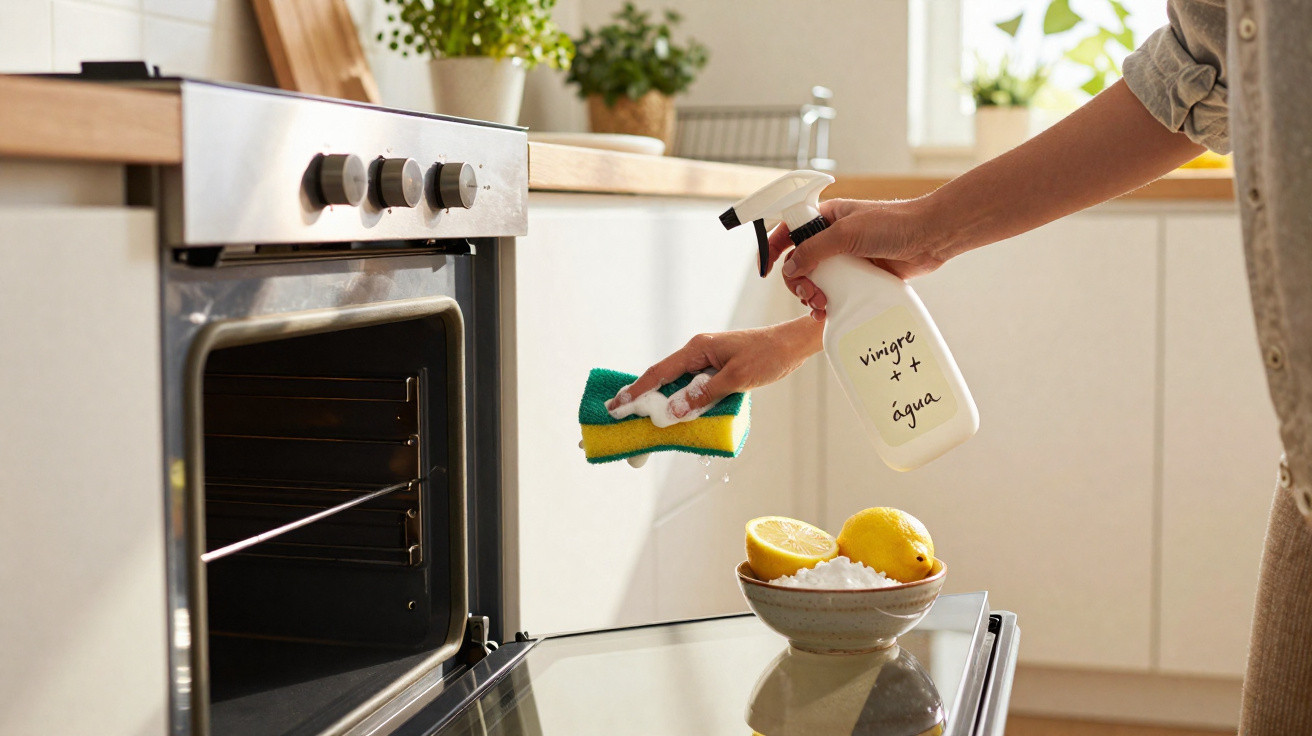
Because air conditioning is meant to filter out contaminants, keeping systems in good working order is central to preventing air-conditioner-acquired infections. If filters are old or dirty, or if the unit is not cleaned, the system’s protective function can be undermined.
Primrose Freestone, Senior Lecturer in Clinical Microbiology, University of Leicester
This article is republished from The Conversation under a Creative Commons licence. Read the original article.



Comments
No comments yet. Be the first to comment!
Leave a Comment