
On a Monday morning, opening the bathroom door to find a faint yet persistent smell can be enough to spoil the mood. Your eyes immediately scan the bin, damp laundry and towels, but the source is often hidden much lower down, inside a neglected drain. Most frustratingly, this type of odour can return straight after a thorough clean. We all know the moment: pouring in a fragranced product in the hope of fixing everything within two minutes. Yet the most effective step costs virtually nothing and requires no harsh chemicals. It comes down to one simple fact: a drain needs water to remain odour-free. That small detail makes all the difference.
The real culprit is often hiding in the trap
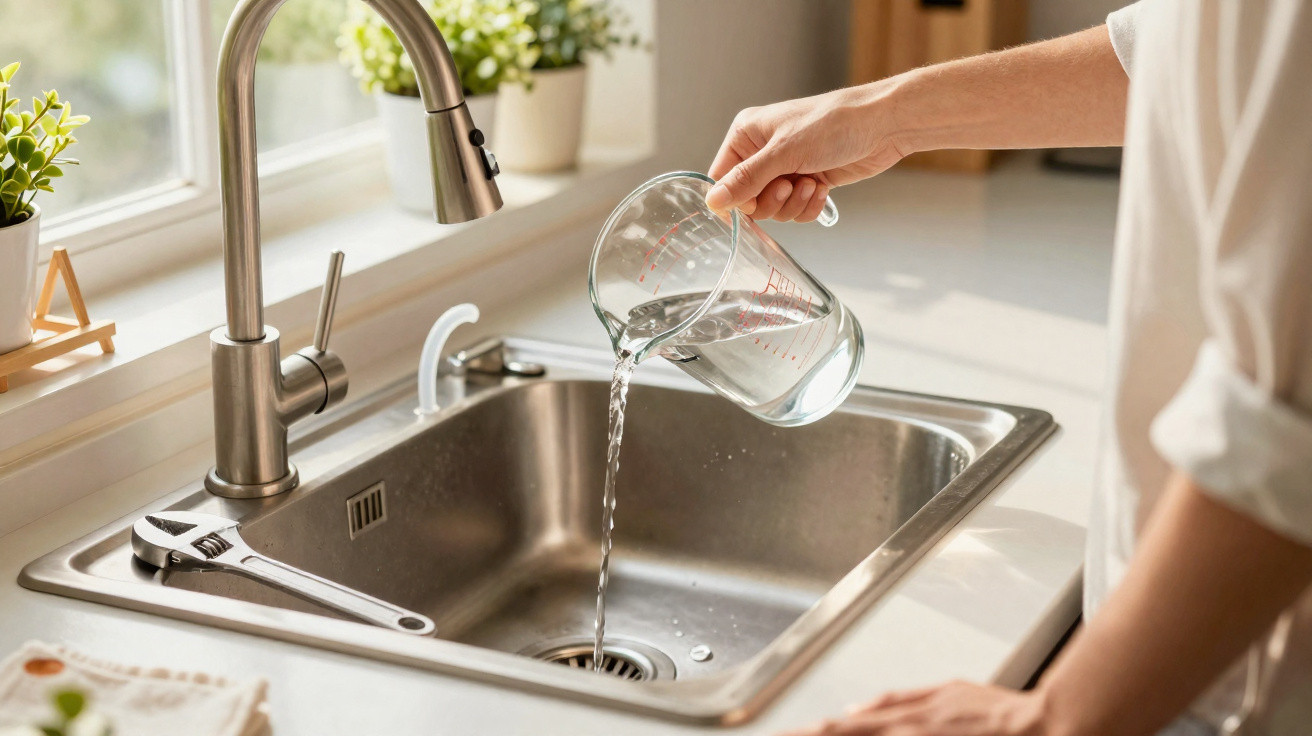
Every sink, shower and basin has an unnoticed curved fitting: the trap. This small water reservoir creates a natural seal between your home and odours rising from the pipework. When a shower is used every day, it does its job without anyone giving it a thought. Problems tend to arise in less frequently used areas, such as a guest toilet, utility room, garage or bathroom in a second home. Over time, the water gradually evaporates. Once the trap has dried out, odours can travel freely.
This is a familiar scenario after a holiday. A family returns after two weeks away, puts down their suitcases, opens the windows and then notices a slightly acrid smell in the downstairs bathroom. They clean everything, replace the bin liner and scrub the basin, yet nothing changes. Simply pouring a large glass of water into the seldom-used basin can sometimes ease the problem within minutes. Depending on a room’s temperature and ventilation, the water in a trap can evaporate much faster than expected, particularly during summer.
The ultra-simple DIY hack is therefore to refill the trap with water before odours have a chance to develop. Regularly pouring a glass of water into every infrequently used drain is often enough. To slow evaporation, some plumbers advise adding a teaspoon of vegetable oil after the water, but only in drains that are rarely used. This thin layer floats on top and shields the water from direct contact with the air. It is a modest, almost ordinary measure, but it addresses the cause rather than simply masking the smell.
The two-minute habit that can make all the difference
The method is a straightforward routine that is easy to remember. Every two or three weeks, run water for around twenty seconds into little-used basins, showers and sinks. For a drain that has been completely forgotten, slowly pour in one litre of water to refill the trap properly. In a garage or utility room, remember the small floor drains too: these are often the first to dry out. The very places we forget are, unsurprisingly, the ones that eventually make themselves known to our noses.
For rarely used drains, such as one in a spare shower, a teaspoon of vegetable oil can be added to the routine. There is no need to use more: the aim is not to coat the pipes in grease, let alone pour the bottom of a bottle down the kitchen sink. Let’s be honest: nobody really does that every day. This tip works because it is both simple and realistic. Setting a phone reminder for the first weekend of each month prevents the issue from returning unnoticed.
It is also important to tell the difference between an odour caused by a dry trap and one resulting from a build-up of grease, hair or soap. If water drains slowly, gurgling can be heard, or the smell remains after adding water, targeted cleaning may be required.
“Before looking for a miracle product, it is better to check whether the trap still contains water: it is often the simplest answer,” says a tradesperson plumber accustomed to everyday call-outs.
- Pour water into every drain that is rarely used.
- Add a teaspoon of vegetable oil only to a drain used very occasionally.
- Remove any visible hair from the shower plughole.
- Avoid harsh chemical mixtures that may damage seals.
Mistakes that seem like cleaning without tackling the real problem
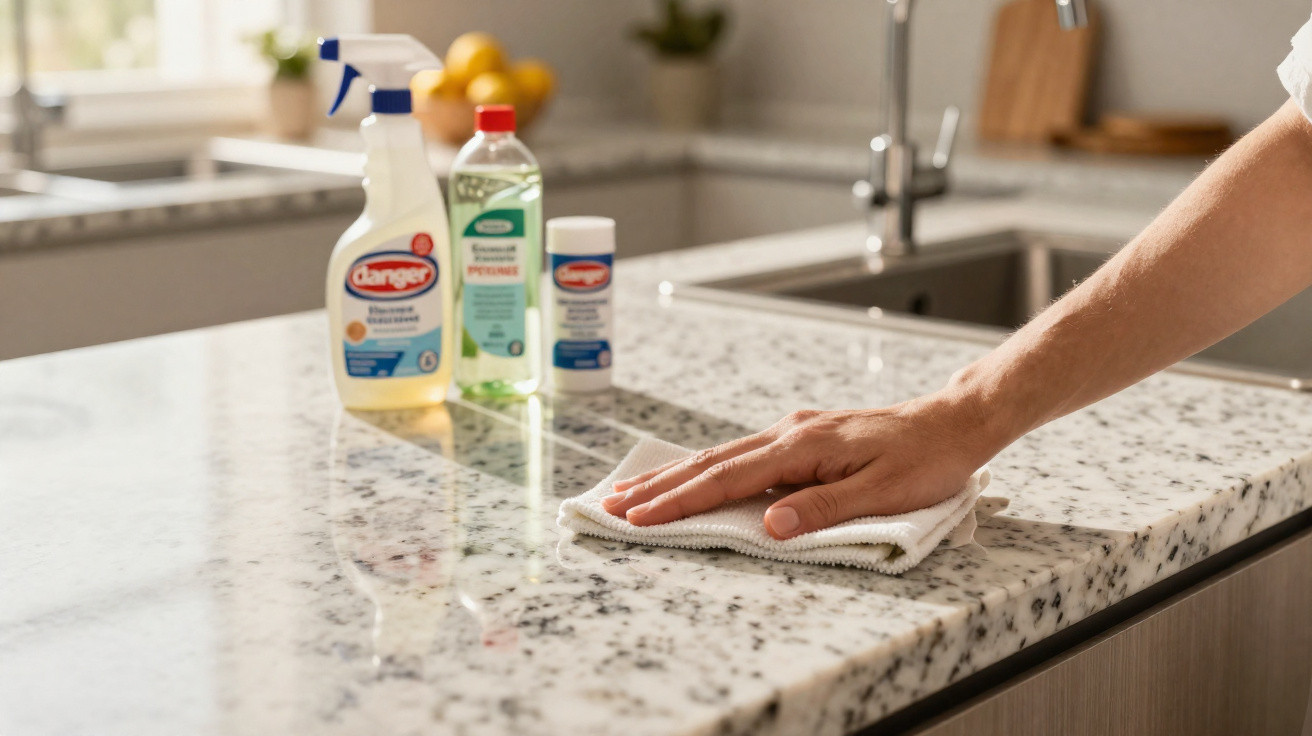
When an odour appears, the usual reaction is often to pour in white vinegar, bicarbonate of soda or a powerful drain unblocker. These products can help dislodge some residue, but they cannot replace the missing water in a trap. However impressive the bicarbonate of soda and vinegar mixture may look, it mainly fizzes because a chemical reaction is taking place. Once the bubbling stops, it does not necessarily leave the pipework cleaner than properly carried out mechanical maintenance would. For an odour caused by a dry trap, a simple litre of water is often more effective.
Corrosive products can also cause issues in older plumbing systems. They may weaken some seals, release unpleasant fumes and make a professional’s work more difficult if the drain remains blocked. The urge to act quickly is understandable: no one wants to live with a stale smell in the kitchen or bathroom. However, gentle, repeated and well-targeted action produces better long-term results. Regular maintenance may not be glamorous, but it prevents plenty of unpleasant surprises.
In the kitchen, the main concern should be cooking fats. Cooking oil, thick sauces and food leftovers should never be poured into the sink, even when followed by plenty of hot water. They solidify further along the pipework, attract debris and gradually create the heavy odour that is often mistaken for a simple lack of cleanliness. A plughole strainer, a sheet of kitchen roll to wipe out the frying pan and a small collection container for used oil are enough to change habits. Smart DIY sometimes begins before the tap is even turned on.
A small routine for a more pleasant home
Odour-free drains do not depend on living in a new house or owning a cupboard full of cleaning products. More often, they rely on a few regular actions carried out without fuss, while watering plants or opening the windows. Topping up water in seldom-used traps, checking a plughole and keeping fats out of the sink all help a home feel immediately fresher. Even when an odour does return, it can provide a useful clue. It may indicate an emerging blockage, a worn seal or ventilation that needs checking. This very simple DIY hack is reassuring because it allows you to take action before a minor nuisance becomes an urgent plumbing repair. Many households discover this step only after spending a long time looking for a complicated cause. It is worth passing on, especially to people who have just moved home or are frequently away.
| Essential point | Detail | Benefit for the reader |
|---|---|---|
| The trap must remain filled | A glass of water prevents odours rising through infrequently used drains. | A free and immediate solution. |
| A thin layer of oil can help | A teaspoon limits evaporation in a drain used very occasionally. | Fewer unpleasant surprises after time away. |
| Strong products are not always useful | They do not solve a dry trap and can harm the plumbing system. | Gentler, simpler and often more appropriate maintenance. |
Comments
No comments yet. Be the first to comment!
Leave a Comment