
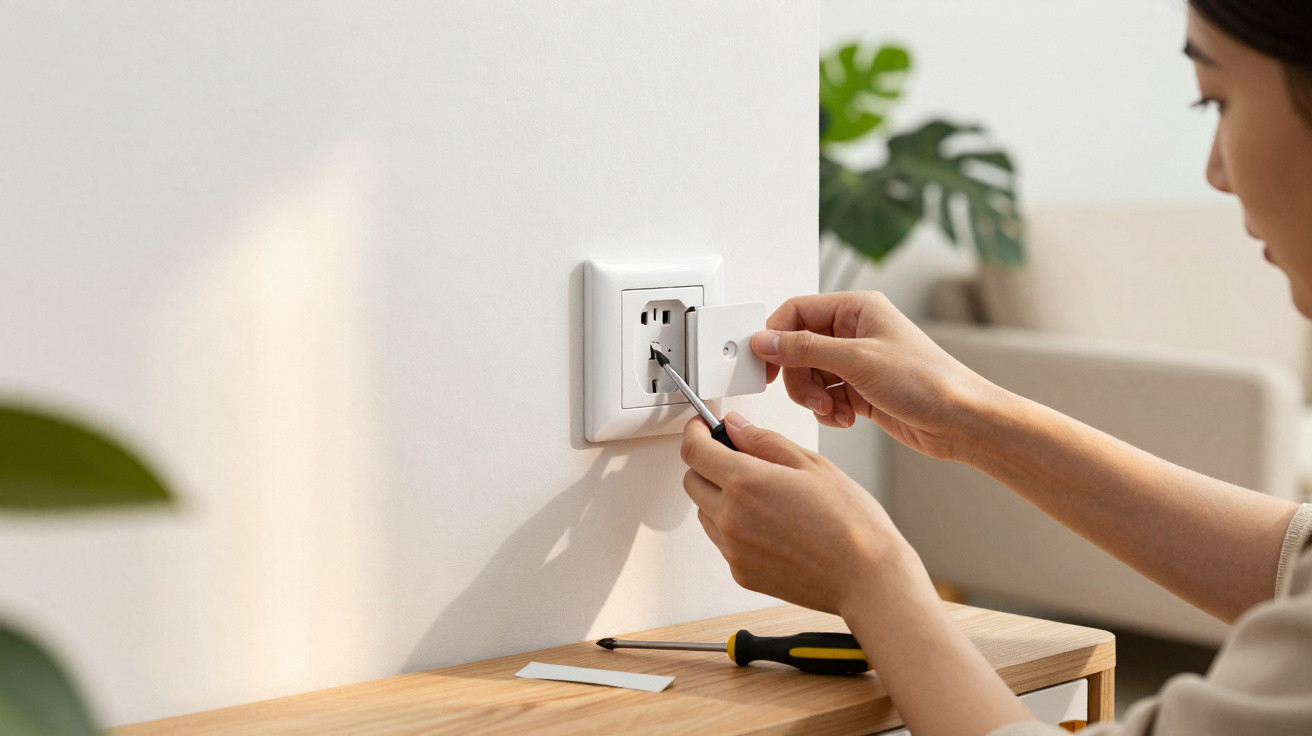
A noticeable development in electrical sockets is changing a great deal in our homes.
If you regularly tackle DIY jobs at home, you may already have had a difficult time fitting extension socket strips. Such work is far from straightforward and often means lengthy drilling, along with the associated dust and noise. Surface-mounted electrical sockets, however, are beginning to transform domestic interiors. Here is what you need to know.
What are the advantages of surface-mounted sockets?
Put simply, these units are quick to fit directly onto the face of a wall, beam or ceiling. Their key benefit is improved safety. Gone are the awkward connections and unsuitable extension leads that can create hazards. In practical terms, you simply screw or stick the housing in place, then conceal the cable inside trunking running around the surface, and the job is complete.
Surface-mounted sockets also frequently include child-proof shutters, switches and, in some cases, surge protectors. Another benefit is that certain models feature USB ports, allowing you to connect a device directly. Finally, as EDF states on its website: “Surface-mounted sockets comply with the requirements of NF C 15-100 concerning electrical safety.”
Fitting surface-mounted electrical sockets safely
Unless you are a highly experienced DIYer, it is nevertheless advisable to use a professional. They will ensure the required safety during the work and afterwards, while also making sure that the installation fully meets your requirements.
Recessed sockets remain the standard
The public company also highlights the benefits of recessed sockets. As they are entirely concealed within the wall, they offer an aesthetic advantage over surface-mounted sockets. However, EDF warns that their installation requires work that is somewhat longer and more complicated.
In a newly built home, you will generally find only recessed sockets. These components are housed in a single back box, where every connection is made. The socket outlet and faceplate, which rest against the box, can be distinguished from one another. The faceplate is therefore the only visible part of the entire installation.
We hope this article has given you a clearer understanding of the modern alternatives to conventional electrical sockets, which are becoming increasingly common in our homes. They improve both the appearance and the safety of these essential installations.






Comments
No comments yet. Be the first to comment!
Leave a Comment