
In a nutshell
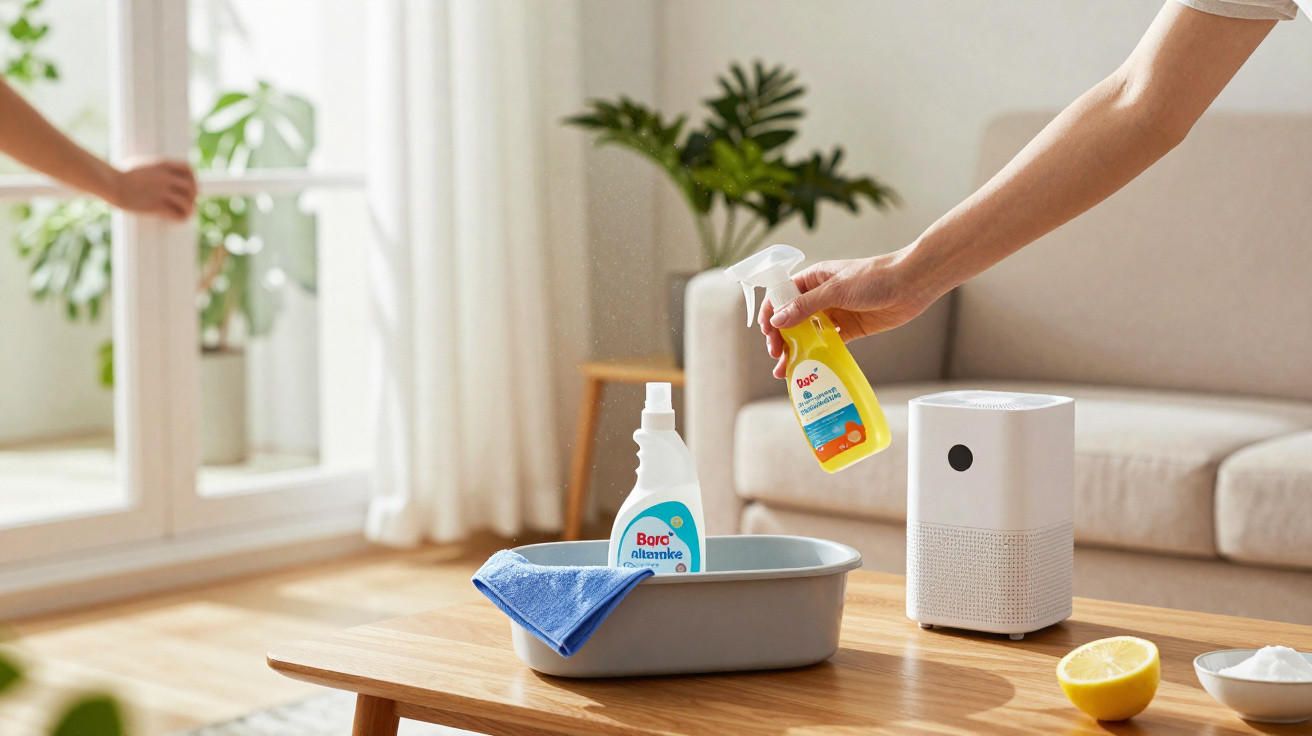
- 🌸 Fresh smells ≠ clean: Appealing fragrances can create an olfactory illusion that a room is hygienic, even though they frequently mask dirt, damp and mould instead of eliminating them.
- 🧪 Indoor air chemistry matters: Fragrance VOCs (such as terpenes) may combine with ozone and produce secondary pollutants, including formaldehyde and ultrafine particles, which can irritate airways and add to asthma or migraine triggers.
- 🧹 Real cleaning beats masking: Proper hygiene depends on mechanical removal (microfibre cleaning, laundering and HEPA vacuuming), alongside targeted disinfectants; perfumes seldom reach sufficient surfaces to reduce microbes in a meaningful way.
- 📊 Pros vs Cons clarified: Scented sprays, candles and plug-ins provide immediate “freshness”, but bring VOCs, particles and residue; genuine cleaning delivers odour neutrality without a build-up of chemicals.
- 🏡 Action plan for UK homes: Focus on source control, ventilation and humidity of 40–60%; opt for fragrance-free products, establish straightforward routines and use a sealed HEPA vacuum for air that is genuinely healthier.
A citrus burst in the hallway or a spray of “linen” in the lounge can make a home appear immaculate, yet many cleaning scientists and indoor-air specialists increasingly caution that fragrance has become an alluring substitute for sanitation. Fresh smells can mask, not remove, pollutants and microbes, fostering misplaced reassurance that can encourage people to overlook the hard work of source control and effective hygiene. This matters especially in the UK, where airtight refurbishments, ageing housing and winter habits of keeping windows closed are widespread. The home that smells best isn’t necessarily the home that’s healthiest. Learning what a fragrance can-and cannot-reveal about cleanliness is the starting point for safer, more effective household routines.
The Scent-Cleanliness Illusion
For years, cleaning companies have associated “freshness” with being “clean”, conditioning us to use perfume as a measure of hygiene. Psychologists describe this as olfactory priming: attractive smells can influence how we assess rooms and surfaces. Specialists warn, however, that a fragrance is not a hygiene metric. Bleach has a pungent odour, but its ability to kill germs can be measured; the appeal of a vanilla diffuser cannot. Usually, this is simply odour masking: a stronger fragrance overwhelms an existing smell while leaving its cause untreated, whether that is damp plaster, an unemptied bin or pet dander trapped in fibres.
A letting agent in West Yorkshire told me about viewing a “lovely-smelling” terrace that was later discovered to have widespread mould behind its furniture. The owner had plug-ins running throughout the property. Although the air was fragranced, spores continued to flourish. When fragrance becomes a daily cover, underlying problems can quietly worsen. Microbiologists also point out that candles and fabric refreshers rarely cover enough area, or remain in contact long enough, to make a notable difference to bacterial loads. Proper cleaning requires mechanical removal-through wiping, laundering and HEPA vacuuming-and, when required, an evidence-based disinfectant applied according to its label. Scent alone cannot take the place of these measures.
What Fragrances Add to Your Air
Most household “fresh” scents arise from volatile organic compounds (VOCs): fragrance chemicals including terpenes (limonene and pinene), as well as solvents, which evaporate into the air indoors. They can react with ozone, which enters from outdoors or is produced by certain devices, creating secondary pollutants such as formaldehyde and ultrafine particles and contributing to secondary organic aerosol. Indoor-air scientists emphasise that you don’t need a spill to have exposure; you just need a routine. Regularly replenishing sprays, plug-ins and candles may raise background concentrations, particularly in compact rooms with poor ventilation.
- Common fragrance sources: air fresheners, fabric “refreshers,” candles, wax melts, plug-in diffusers, fragranced detergents and softeners, and bathroom sprays.
- Potential by-products and issues: aldehydes (e.g., formaldehyde), ultrafine particles, sensitising musks and accumulated VOC levels that may worsen symptoms for people with asthma, migraines or chemical sensitivities.
Paediatric allergists I have interviewed observe that heavily fragranced homes often involve trigger stacking: dust mites in carpets, pet dander on upholstered furniture and VOCs from candles together. The effect is not necessarily severe; more often, it presents as persistent mild irritation, including itchy eyes, chest tightness and unsettled sleep. Neutral air, not perfumed air, is the goal of healthy housekeeping. Ventilation and managing moisture improve the air itself, whereas perfume only alters its smell.
Pros and Cons: Scented Sprays vs. Real Cleaning
When visitors are arriving in 10 minutes, a quick spritz can seem like the easiest option. However, the compromises are clearer when set out plainly. This table summarises the issues experts raise most frequently.
| Product/Practice | Perceived Benefit | Hidden Trade-off |
|---|---|---|
| Air freshener sprays | Instant “clean” smell; masks cooking or pet odours | Adds VOCs; doesn’t remove the odour source |
| Scented candles/wax melts | Cosy ambience; long-lasting fragrance | Combustion particles; potential aldehydes; residue on surfaces |
| Fabric refreshers | Soft furnishings smell new again | Fragrance adheres to fibres; may sensitise; washes still required |
| Plug-in diffusers | Set-and-forget freshness | Continual VOC background; makes masking seem normal instead of maintenance |
| Mechanical cleaning (microfibre + HEPA vac) | Physically removes dust, dander, and residues | Takes time and the right technique; offers less “wow” scent |
Why “fresh” isn’t always better: perfume can influence perception without improving hygiene. By contrast, odour neutrality after proper cleaning suggests that the material causing the smell has been removed. For anyone who wants a signature fragrance, experts advise using it lightly once cleaning is complete-never as a replacement for cleaning.
How to Make Homes Truly Cleaner Without Chasing a Perfumed Finish
Begin with source control by tackling the origins of household odours: empty bins every day, wash towels on a hot cycle, thoroughly clean drains and repair leaks without delay. During the UK’s wetter months, a dehumidifier can make a substantial difference; target relative humidity of 40–60%. Moisture management fights mould more effectively than any mist of “ocean breeze”. Then strengthen ventilation: leave trickle vents open, run kitchen and bathroom extractors for 15–20 minutes after use, and open windows when outside air quality is good. A small PM2.5 or CO₂ monitor may also encourage helpful habits.
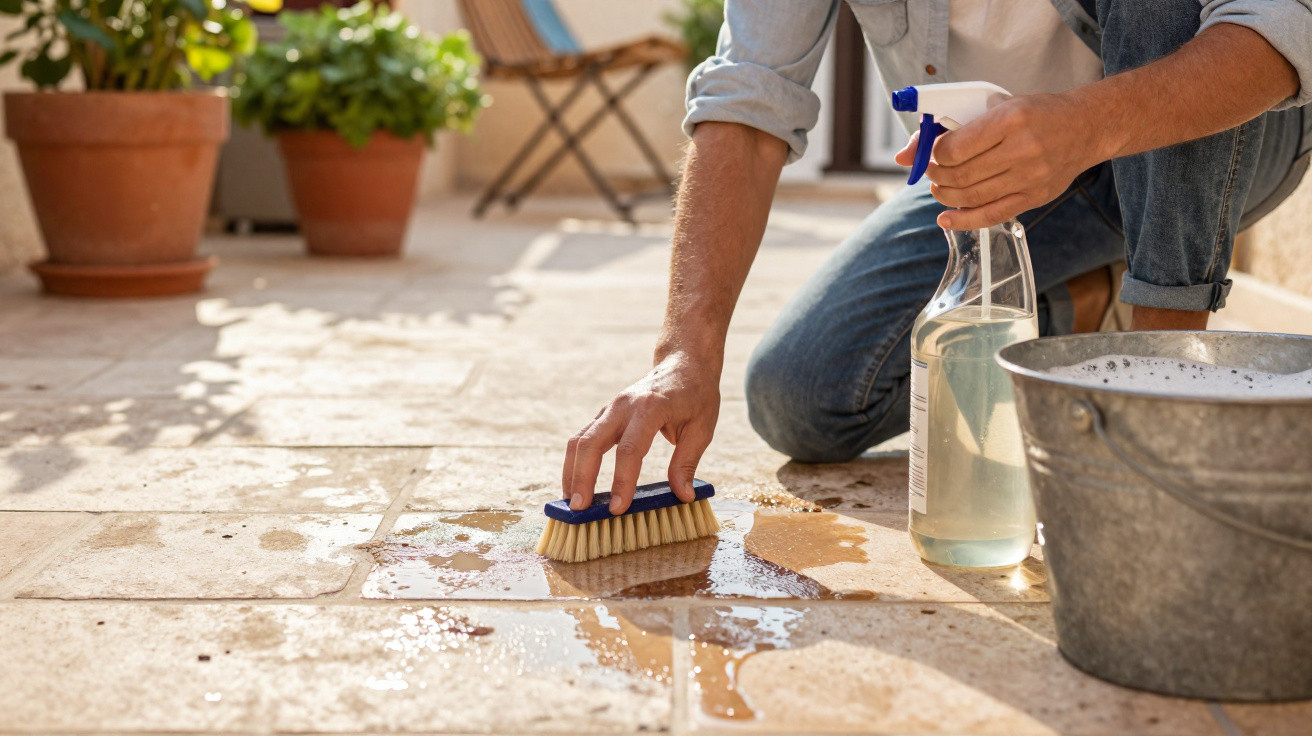
- Switch to fragrance-free basics: use unscented detergents, microfibre cloths, diluted washing-up liquid on many surfaces and a targeted disinfectant only when necessary.
- Upgrade removal: choose a sealed HEPA vacuum, launder cushion covers regularly and dust from high to low every week to reduce resettling.
- Set routines: do a five-minute daily reset, wipe down one room each day and check filters monthly.
Keep the relevant measure in mind: clean is the absence of soil, residue, and excess moisture. A house with no noticeable smell-only neutral air-can often indicate the most conscientious upkeep. If you enjoy a signature scent, use it lightly and occasionally after cleaning, rather than as camouflage.
The modern home is a chemistry set: every spray, wax melt and mist contributes to the indoor air we breathe 90% of the day. Experts warn against trusting noses over evidence: fragrance is theatre, whereas hygiene is a process. Neutral air, dry walls, minimal dust and orderly routines outperform any bouquet without fuss. As energy-efficient British homes become more common, the difference is increasingly important for children, people with asthma and pets alike. What simple change-switching to fragrance-free products, ventilating after showers, or buying a HEPA vacuum-could you try this week to make your home truly cleaner, not just nicer-smelling?
Comments
No comments yet. Be the first to comment!
Leave a Comment