
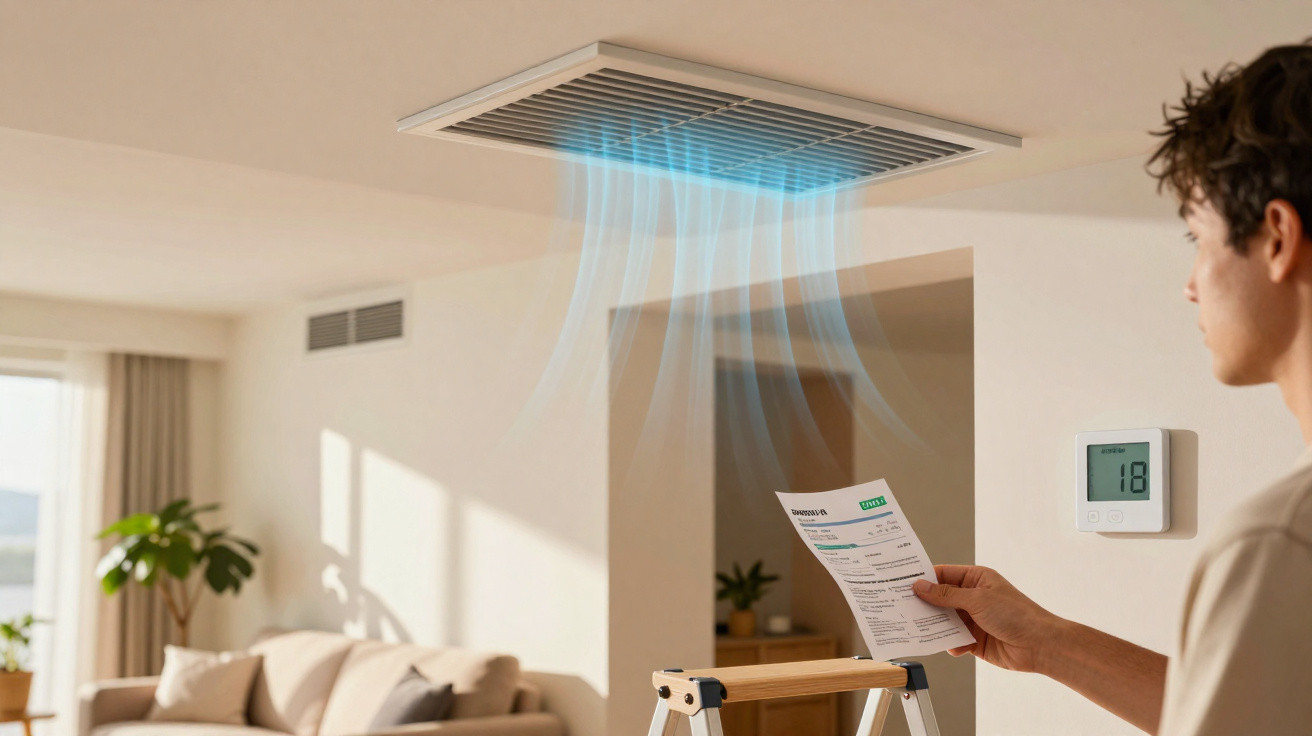
Many people try to cut electricity use by deliberately closing air vents in unused bedrooms during hot spells. However, well-regarded HVAC specialists warn that what seems like a sensible move can seriously harm your air-conditioning system.
Why does closing air vents change the pressure?
When you block the registers, air can no longer circulate freely through the rooms in your home. That sudden restriction raises internal static pressure, placing dangerous strain on the ventilation ducts that distribute conditioned air.
The system is designed to run with a precise, steady volume of air moving throughout the property. Obstructing these pathways disrupts that operating balance, creating forces that can split internal duct connections and damage the central unit.
The main issues caused by this structural imbalance include:
- Higher pressure: Can physically force connections to fail.
- Extra cost: Increases the household’s monthly electricity usage.
- Frozen coil: Prevents the heat exchange the system needs.
- Overworked motor: Dramatically shortens the compressor’s lifespan.
- Air leakage: Wastes cooling through gaps and weak points.
How can this habit lead to wasted energy?
Contrary to popular belief, restricting vents does not make the motor’s job easier. The blockage makes the fan operate against heavy mechanical resistance, using more electrical energy to push air through obstructed routes.
That ongoing strain pushes up your monthly bills because thermal performance drops sharply. Environmental programmes such as ENERGY STAR note that keeping airflow unobstructed is essential to real residential cooling efficiency.
What long-term damage can it cause to the equipment?
Keeping airflow restricted for extended periods can cause the evaporator coil to freeze because there is not enough warm air passing over it. This excessive cooling can send liquid refrigerant back to the compressor, damaging a vital component in your valuable central HVAC cooling system.
Risk warning
Take care with built-up pressure
Rising static pressure forces the entire home cooling system to work harder.
Avoid higher costs from unexpected motor failures.
Experts from the respected Boer Brothers Heating Cooling confirm the severe structural harm caused by this accumulated high pressure. Leaks in the ductwork then force the motor to run relentlessly to achieve the desired thermal comfort indoors.
The key components most likely to wear out prematurely are:
- The central system compressor
- The indoor fan motor
- The seals at duct connection points
What do government guidelines recommend?
Official guidance from the U.S. Department of Energy recommends keeping all supply registers open throughout the rooms at all times. The aim is to ensure balanced air distribution, protect the integrity of costly components, and keep consumption steady.
Rather than shutting metal grilles, homeowners should use alternative, correct methods to reduce monthly energy costs. Proper thermostat settings and routine maintenance help prevent early failure of the cooling equipment and preserve overall energy efficiency.
Some effective options suggested by specialists include:
- Installing adjustable smart thermostats
- Cleaning filters regularly
- Using thermal curtains on windows
How can you achieve genuine household savings?
To save money in a way that truly adds up, you can use the cross-breeze trick at home. This simple approach helps ventilate rooms naturally, reducing reliance on artificial cooling and avoiding unnecessary high monthly expenses.
Keeping all vents completely clear and adopting sensible ventilation habits are the most reliable keys to long-term results. In doing so, you protect the lifespan of your compressor unit and maintain excellent operating performance for many years.
Official source: Information compiled directly from ECOticias.






Comments
No comments yet. Be the first to comment!
Leave a Comment