
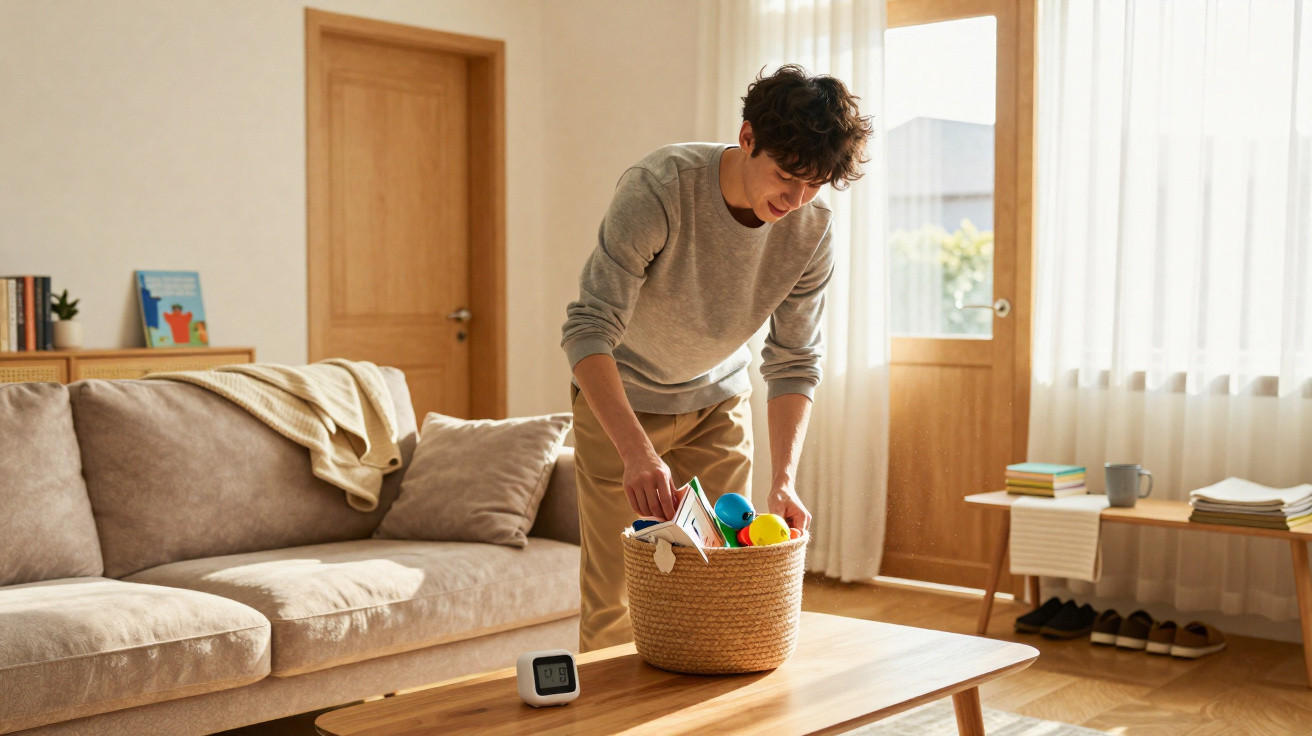
It is 7.12 pm: shoes are scattered in the hallway, a glass has been left on the coffee table, and the kitchen still shows evidence of last night’s dinner. We all know that point when we would like to have someone over without turning the evening into a housework marathon. The real issue is not always a lack of motivation; it is the feeling that every item left out demands another ten minutes of tidying. So we put it off, shut a door and promise ourselves we will deal with it on Sunday. Then Sunday slips away too. The game-changing hack is not a cupboard full of miracle products or a military-style routine. It starts with one small, almost ordinary choice: do not allow clutter to linger long enough to become a project. That alone transforms the feel of the whole home.
The real secret is not cleaning more, but never letting it build up
A home that looks clean is not necessarily scrubbed from floor to ceiling every day. More often, it is a home where surfaces stay clear, laundry does not sit on a chair for three days, and the sink quickly returns to looking normal. The ultimate hack is the five-minute reset: restore the main living area before moving on, without trying to make it perfect. Five minutes after a meal. Five minutes before bed. Five minutes while the coffee brews. It sounds tiny, which is exactly why it is sustainable.
For Clara, a mother of two who works irregular hours, this habit replaced the big Saturday-morning clean. She keeps a basket beside the living room and drops in anything that does not belong there as she walks past: chargers, toys, post and lone socks. Each family member then collects their own belongings. Within a week, she reckoned she had saved nearly an hour previously spent working out where everything should go. Her home was not perfect, but it felt liveable again. That is a huge difference.
The brain quickly becomes tired when faced with an unclear task such as “tidy the house”. Wiping the worktop or putting the cushions back in place, by contrast, requires very little mental effort, particularly when it is built into an existing part of the day. This is the anchoring principle: link a micro-task to an automatic habit. After dinner, load the dishwasher. After showering, wipe the basin. Lasting cleanliness is less about a domestic feat than a series of small reflexes.
The five-minute reset method that prevents chaos, even in impossible weeks
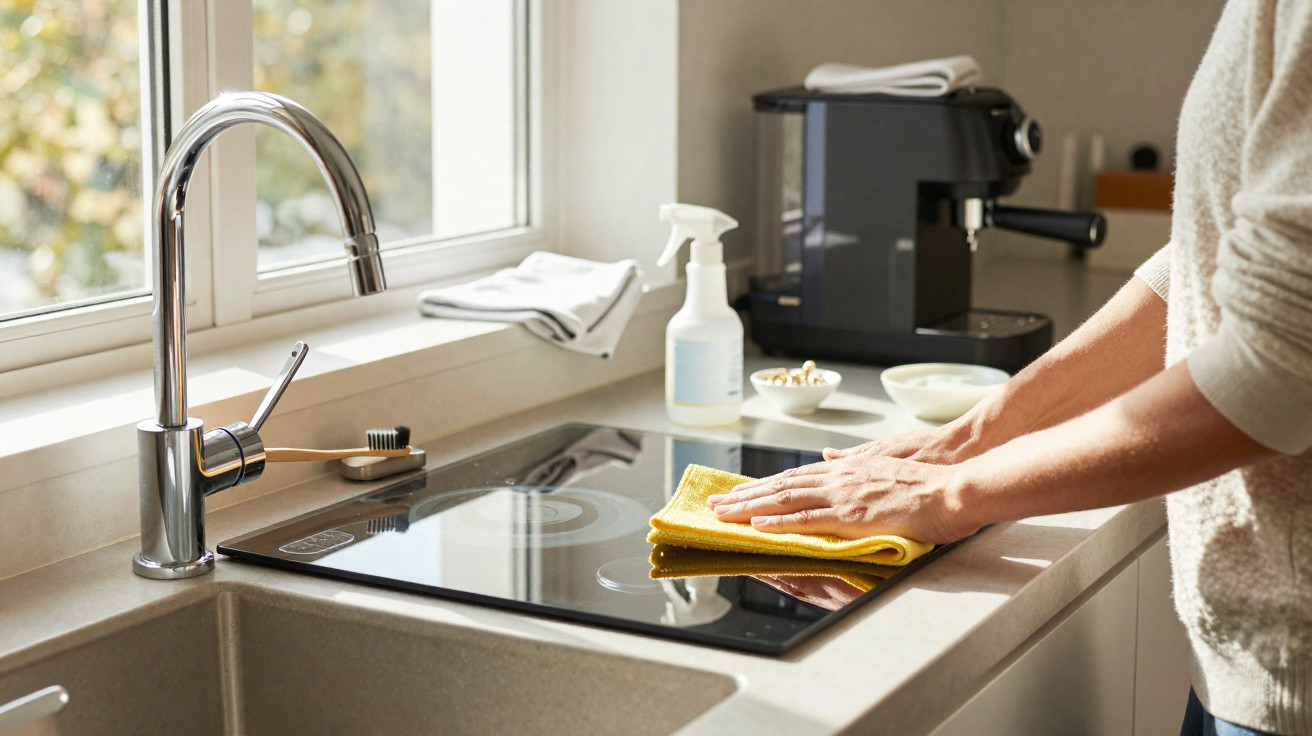
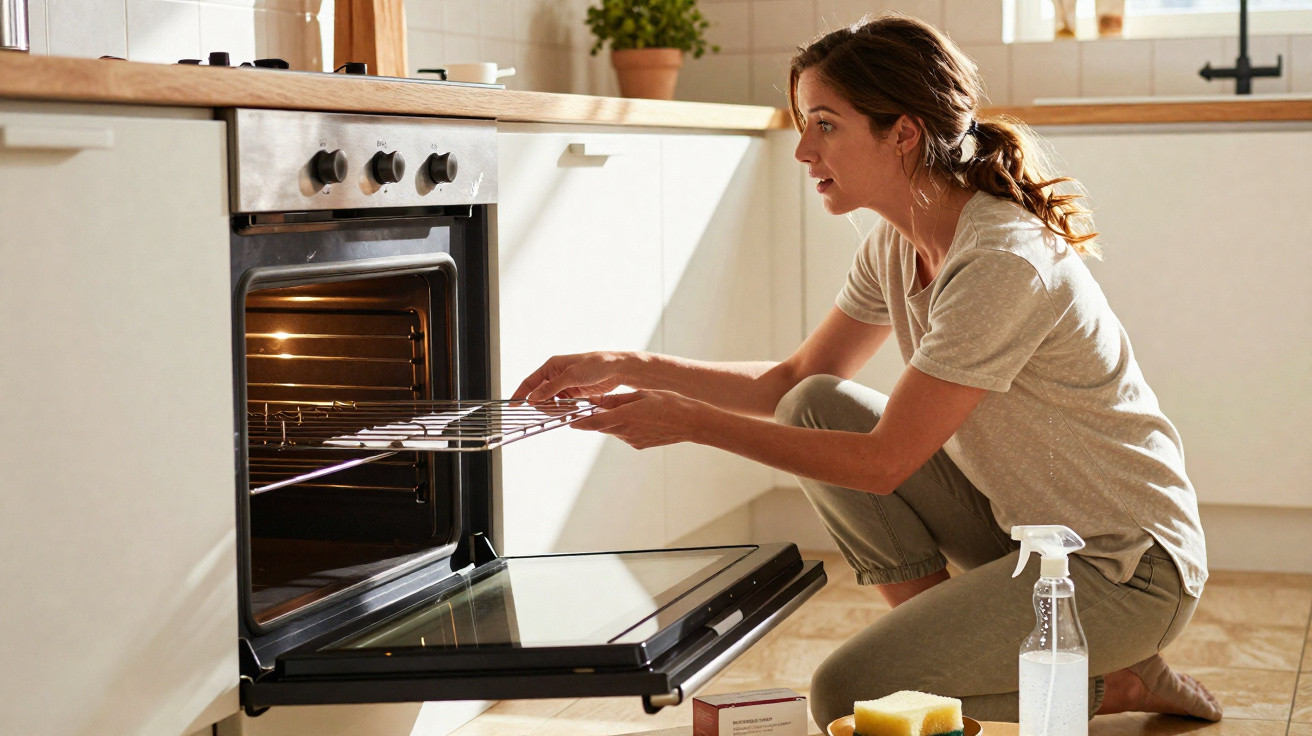
For this rule to hold up when work becomes overwhelming or the children are ill, the number of decisions needs to be reduced. Put together a mini-kit in every key area: a microfibre cloth and spray in the bathroom, reusable wipes near the kitchen, and a storage basket in the hallway. The aim is not to buy more things, but to avoid the back-and-forth that breaks your momentum. When the equipment is within reach, removing a toothpaste mark or a splash of sauce genuinely takes twenty seconds. No more than that.
A common mistake is trying to give every room the same level of attention. Let us be honest: nobody really does that every day. On some evenings, the priority will simply be clearing the table, putting a wash on and emptying the sink. The rest can wait without any drama. This “visible clean” approach removes unnecessary pressure: deal first with what immediately affects comfort, smells and the sense of space. A marked mirror can wait; an overflowing bin cannot.
The most effective approach is still to choose three fixed actions and repeat them almost without thinking. A friend summed up this philosophy perfectly after giving up her endless lists:
“I no longer try to have a catalogue-perfect home. I just want to be able to sit on my sofa without moving a pile of things.”
- empty or tidy the sink before going to bed;
- pass around a basket for misplaced items;
- reset the living room for five minutes every evening.
These three steps provide a solid foundation, even when everything else goes slightly off track.
A lived-in home can stay welcoming without becoming a chore
The trap would be to turn this method into another demand on yourself. A lived-in home makes noise, creates laundry, gathers crumbs and sometimes contains genuinely messy days. The point is not to control every detail, but to stop clutter taking over, both visually and mentally. When the actions are small and regular, it becomes easier to enjoy coming home again. You open the door without sighing. You no longer avoid looking towards the kitchen.
This hack also works because it brings everyone back to one simple truth: tidying should not fall to one person who ends up exhausted and doing everything on Sunday. A shared basket, a clear rule for coats, or ten minutes spent together after dinner can alter a household’s dynamic. Children quickly understand what a “passing-through” item is. Adults do too, even if they sometimes pretend not to notice the mug left on the sideboard.
It is also worth asking what repeatedly ends up on the same surfaces. If post takes over the table, perhaps all that is needed is a tray in the hallway. If clothes pile up in the bedroom, the laundry basket may be too far away or too small. Repeated clutter is often a message, not a lack of willpower. By adapting the organisation to real everyday life instead of an idealised picture, the home becomes easier to live in. And that may be the most understated luxury of all: having time for something other than tidying.
| Key point | Detail | Added value for the reader |
|---|---|---|
| The five-minute reset | Tidy a visible area at a fixed point in the day. | Stops small signs of daily life becoming a major cleaning job. |
| Equipment within reach | Keep a cloth, a suitable cleaning product and a basket in strategic rooms. | Removes excuses and cuts the time needed for every task. |
| Prioritising visible cleanliness | Deal with the sink, rubbish, table and living room first. | Immediately creates a sense of calm, even during busy weeks. |

Comments
No comments yet. Be the first to comment!
Leave a Comment