
An emergency doctor offers some clarity.
In almost every home, the same question comes up in the shower: is a flannel needed for “properly clean” personal hygiene, or are your hands entirely sufficient? French emergency physician Dr Gérald Kierzek has a firm view on the matter-one that may surprise many people and challenge some common habits.
Hands rather than a flannel: why the simple approach is often better
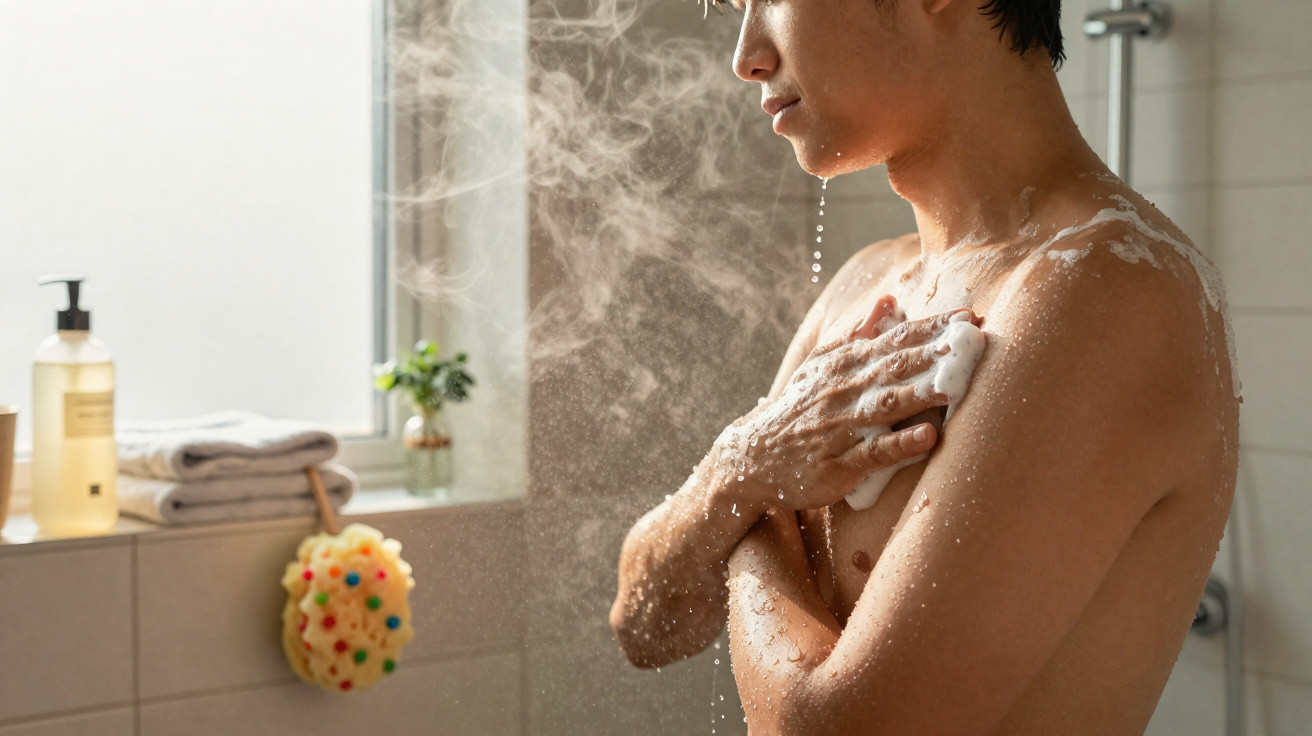
For everyday body washing, the doctor clearly recommends using your own hands, provided they are briefly washed with soap beforehand. Hands are easy to clean thoroughly, whereas a flannel can quickly become a breeding ground for bacteria.
The method is straightforward: wet the skin, place shower gel or soap directly into your hand, massage it across the body carefully-paying particular attention to skin folds such as the armpits, groin, spaces between the toes and feet-then rinse well.
“A clean hand, soap and one to two minutes of vigorous rubbing are generally enough for very good body hygiene.”
Using only your hands also automatically reduces the number of items kept in the shower. Fewer textiles and accessories mean fewer surfaces on which germs can settle and multiply.
Why rubbing matters more than the accessory
The key factor in cleaning is the mechanical action: rubbing removes sweat, sebum, dead skin cells and a large proportion of microbes. The doctor stresses that this does not require harsh scrubbing; what matters is massaging the skin consistently and evenly.
- Briefly wash your hands with soap before showering
- Wet your body and apply soap to your hands
- Rub thoroughly for at least one minute, spending longer on problem areas
- Rinse carefully with lukewarm water
- Dry yourself properly afterwards, especially in skin folds
Many people underestimate how effective this basic routine can be, instead reaching for ever more accessories out of habit-items that may impair hygiene rather than improve it.
Flannels: useful tools with hygiene pitfalls
The doctor does not suggest banning flannels altogether. They can be useful for loosening dead skin cells or reaching certain areas more easily, such as the back or feet. The issue starts when textiles remain damp for extended periods.
In a warm bathroom with poor ventilation, a wet flannel may take a long time to dry. Moisture, skin residue and leftover soap create ideal conditions for bacteria, yeasts such as Candida, and mould spores. These microorganisms can then be transferred straight onto the skin the next time it is used.
“A flannel left hanging half-damp on the tap for days no longer cleans-it may instead spread germs.”
For that reason, the expert advises following strict rules if you do not want to give up using a flannel.
How often should you replace a flannel?
According to the doctor, a flannel should be used for no more than two to three days-and ideally only once. Replacing it is not the only important point: its care between showers also matters.
| Aspect | Recommendation |
|---|---|
| Frequency of use | Use only briefly; it is not needed for the whole body |
| Replacement | Change at least every 2–3 days; daily if in doubt |
| Cleaning | Rinse thoroughly and wash regularly in the washing machine |
| Drying | Wring out and hang freely in a well-ventilated place; do not leave it bunched up while damp |
| Warning signs | Smell, discolouration or a slimy feel: replace immediately |
Only when these conditions are met can a flannel retain its benefits without becoming a source of contamination itself.
What role does shower gel really play?
When it comes to the product itself, the doctor advises choosing a mild cleanser that is ideally pH-neutral. Most people do not need harsh “antibacterial” shower gels. The skin has a natural protective layer of oils and microorganisms, which can be disrupted by excessively intensive cleansing.
Anyone with very dry or sensitive skin should opt for replenishing shower oils or cream washes and limit the time spent lathering. For healthy skin, once-daily washing is usually entirely sufficient. In some cases, a full shower every other day is enough, with only the armpits and intimate area washed at the basin in between.
When a flannel remains useful
There are circumstances in which a clean flannel may be practical or necessary:
- People with limited mobility who cannot reach certain areas
- People requiring care whose full-body wash takes place in bed
- Targeted, occasional exfoliation, for example on rough elbows
- Very dry skin, where a soft flannel is gentler than vigorous rubbing with the hand
In these situations, choose quick-drying materials such as microfibre and treat the flannel more like a medical aid: keep it clean, wash it regularly and allocate it clearly to one person-never use one shared family flannel.
The most important shower habits for healthy skin
The question of “hands or flannel?” is only one part of the issue. Many everyday mistakes occur elsewhere in a shower routine. Specialists repeatedly point to several simple basic rules.
Common mistakes in the shower
- Setting the water temperature too high, which damages the skin’s protective barrier
- Lathering up with shower gel several times a day despite not having sweated heavily
- Using overly abrasive exfoliants or stiff brushes
- Keeping damp flannels and sponges in use for weeks
- Failing to dry the body properly after showering, particularly in skin folds
Fungal infections in the groin or between the toes are often linked to these areas remaining slightly damp all the time-creating an ideal breeding ground for microorganisms.
What a skin-friendly routine looks like
Anyone wishing to protect their skin over the long term can broadly follow this routine:
- Take a short shower that is not too hot; 5–10 minutes is enough
- Apply soap specifically to areas that sweat rather than compulsively washing every part of the body
- Rinse thoroughly until no foam is visible
- Dry the body well with a fresh towel
- Apply a light lotion or cream depending on your skin type
Those who mainly use their hands and maintain their textiles hygienically can significantly reduce irritation, infections and unpleasant odours.
When should you be cautious-and when should you see a doctor?
Redness, itching or stinging after a shower may indicate overly harsh cleansing habits or contaminated washing aids. If these symptoms keep recurring, those affected should switch shower products, use their hands instead of a flannel and cleanse very gently for several days.
If the symptoms persist, worsen, or are accompanied by blisters, weeping patches or cracks, medical assessment is needed. Fungal infections and contact allergies can usually be managed well with appropriate treatment-provided the trigger is not still hanging around in the bathroom in the form of a “grimy” flannel.
Ultimately, the doctor makes it clear that, for the vast majority of people, the hand is entirely sufficient as the main tool in the shower. Anyone who wants to use a flannel should treat it as a sensitive hygiene product, not as a decorative item left to dry for years on the same hook rail.



Comments
No comments yet. Be the first to comment!
Leave a Comment