
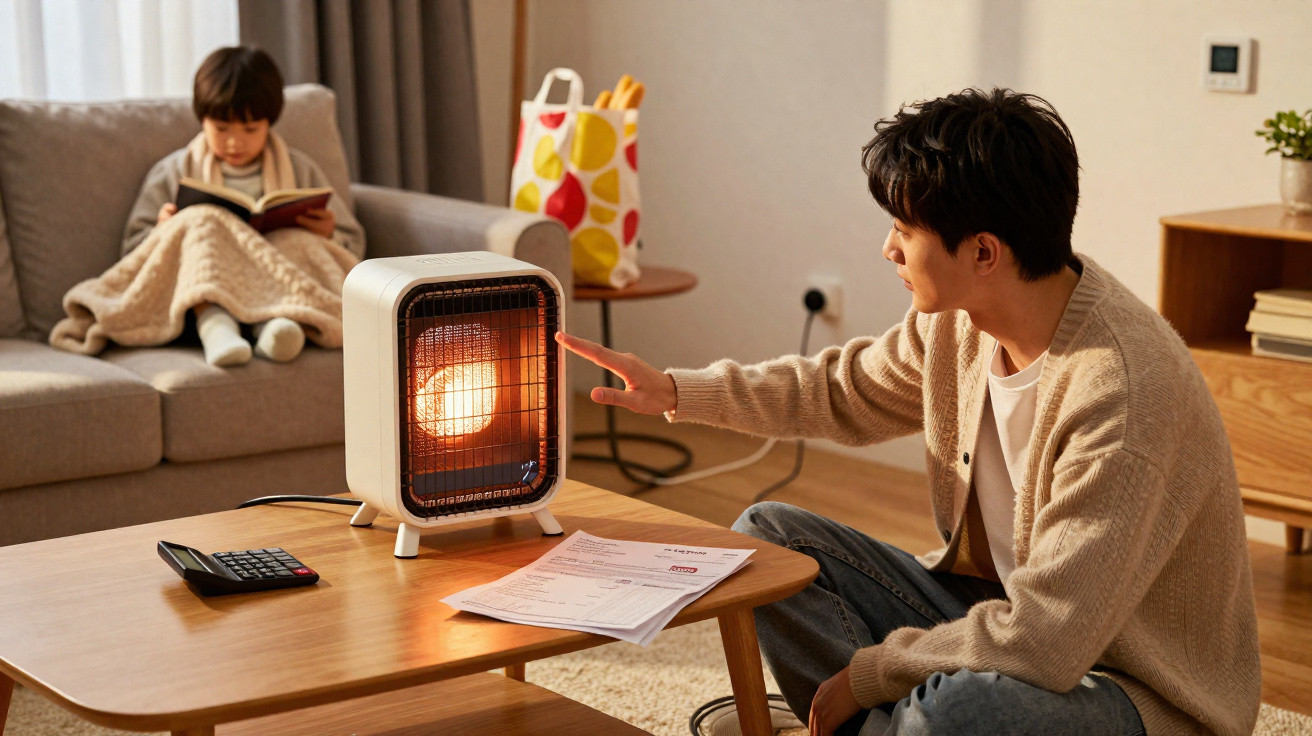
The queue in Lidl’s middle aisle had stalled, yet no one stepped away. Heated throws priced at £19.99 were vanishing into trolleys, with low-cost dehumidifiers balanced precariously above budget air fryers. One customer showed her partner a screenshot on her phone of Martin Lewis describing affordable winter gadgets as a “game changer” for reducing bills. All around them was the now-familiar blend of restrained anxiety and tentative optimism that accompanies every energy bill.
No one was shopping for luxuries. They were purchasing a small measure of reassurance.
Outside, rain blew almost horizontally, while the automatic doors swung open and shut, constantly signalling the warmth escaping.
Inside, a fresh argument was taking shape: are these inexpensive devices household saviours, or potential time bombs for people already under pressure?
As so often, the answer lies in an unpleasantly chilly middle ground.
Martin Lewis effect meets Lidl middle aisle frenzy
Visit any Lidl at the moment and its winter aisle resembles an emergency shelter. There are lines of plug-in heaters, heated airers, small grey units claiming to “slash damp and mould”, and blankets fitted with flimsy-looking controls. Since consumer champion Martin Lewis repeatedly promoted the principle of “heating the human, not the home”, retailers have hurried to stock every product that appears to offer a quick route to warmth.
When Lewis recommends a device costing less than £25 that is said to reduce bills, shoppers take notice.
For families watching direct debits consume half their wages, it is not celebrity devotion; it is self-preservation.
A mother in Leeds told a local Facebook group that she bought two Lidl portable heaters after hearing Lewis discuss targeted heating last winter. On bitterly cold evenings, she kept her children in one room, closed the door firmly and ran the heater rather than switching on the entire central heating system. Her gas consumption fell by a third.
But another contributor to that same thread posted photographs of a melted plug. It was the same model, bought from the same shop. Her warning was direct: “Please don’t leave these on while you sleep.”
That is the split-screen reality of Britain’s budget winter: a lifeline for one household and a near catastrophe for another, playing out along the same tight semi-detached streets.
Energy specialists and safety organisations are becoming increasingly concerned by the scramble to repeat seemingly smart tips from television clips and TikTok reels. Inexpensive dehumidifiers may lack sufficient power, removing very little moisture while steadily using electricity in the background. Plug-in heaters costing a tenner can overload ageing extension leads.
The tidy calculations on a comparison chart no longer hold up when poor wiring, damp walls and a household needing to dry school uniforms overnight are factored in.
The simple reality is that a cheap price does not automatically make a gadget a safe or lasting answer.
How to use winter gadgets without letting them burn your budget
Begin with one straightforward principle: each appliance has a limited role, far smaller than its advertising may suggest. A heated throw works brilliantly on the sofa or in a home-office corner for a few hours. It cannot heat an entire home. A dehumidifier may improve one damp room, but it cannot solve a whole flat with leaking windows and inadequate ventilation.
Think in terms of zones, rather than miracles.
If you buy a Lidl heater or dehumidifier, check for a visible CE or UKCA mark, a clearly stated wattage and instructions that properly set out its limitations. Treat the first use as you would a new car: start with brief sessions, never leave it running overnight, and keep checking the plug and cable.
The most common error is expecting a low-cost solution to do work that requires an expensive one. A £20 heater used for 10 hours every day can quietly become more costly than an efficient gas boiler set low. You may not notice during the first week. The impact arrives later, when the meter reading feels like a punch in the stomach.
We have all experienced that moment of opening a bill and feeling truly knocked sideways.
Energy advisers recommend treating these gadgets as tools, rather than magic wands. Run them for short periods. Move them between rooms. Leave adequate space around plugs. If you have connected three appliances to one old extension lead behind the sofa, that is not being thrifty – it is gambling.
Some safety experts put it bluntly: “People are being pushed into risky behaviour by sheer desperation. Heating just your body can save money, but using poor-quality gear the wrong way can cost you your home.”
- Use only one high-draw heater per socket – do not daisy-chain appliances through multi-plug extension leads.
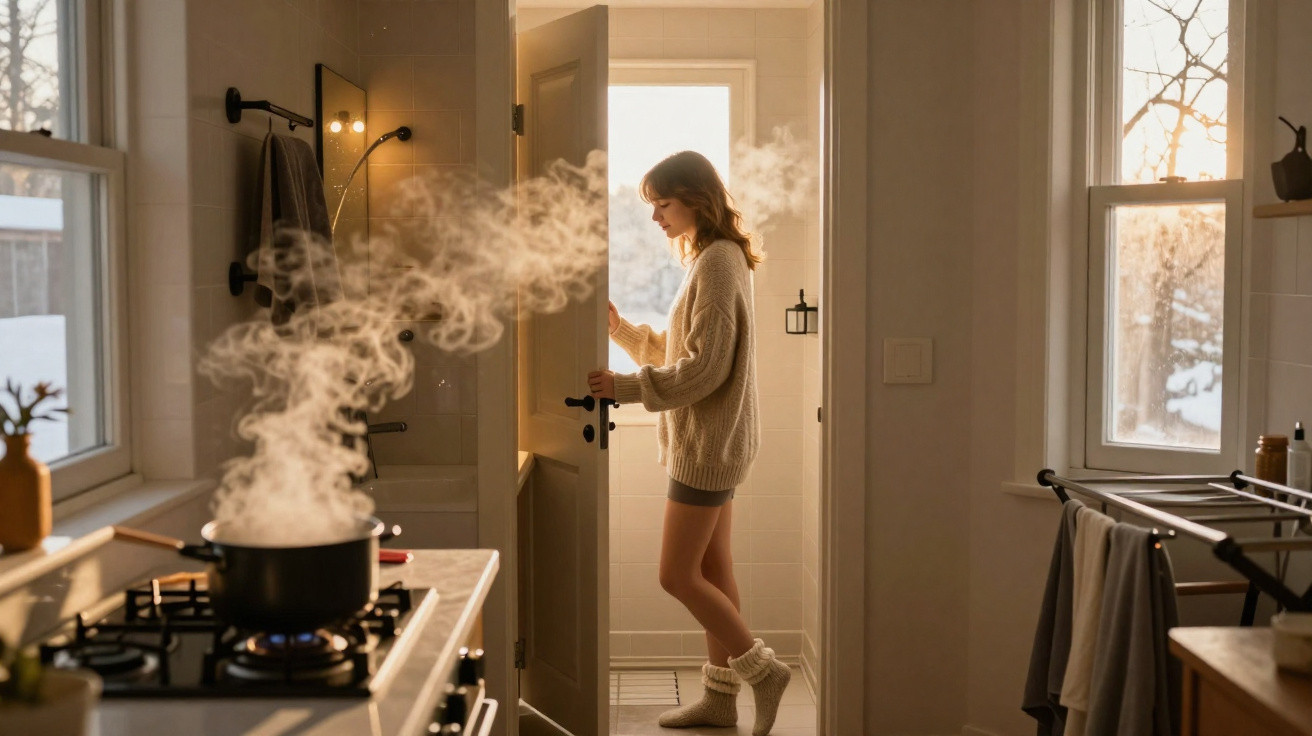
- Keep dehumidifiers in the dampest rooms and shut doors so they can operate efficiently, rather than running throughout the day.
- Run heated throws and electric blankets on low settings, and unplug them whenever you leave the room.
- Feel plugs for heat – if a socket is hot, turn the appliance off and stop using it.
- Retain receipts and packaging; if a gadget buzzes, smells or trips the fuse, return it straight away.
The uneasy truth behind “cheap” warmth
Beneath all the talk of shrewd shopping and clever hacks, a quiet resentment is growing. People are not visiting Lidl’s middle aisle for entertainment; they are balancing the risk of frostbite against overdraft charges. When a trusted name such as Martin Lewis points to a gadget that could genuinely take pounds off a bill, it can feel like a lifeline cast into freezing water.
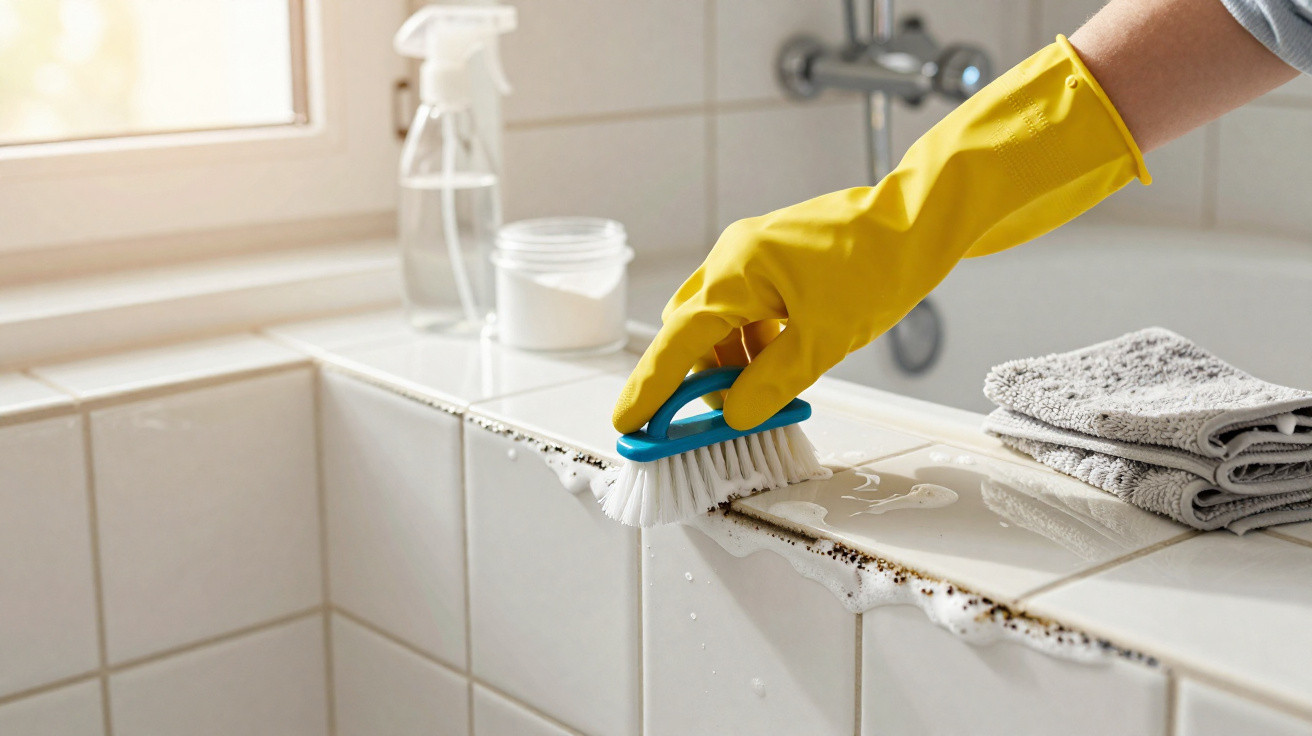
However, fire brigades and building inspectors encounter the other side of that lifeline: burnt sockets, black mould returning two weeks after the dehumidifier has been turned off, and tenants drying clothing on plug-in heaters because otherwise they would go to bed with it still wet.
There’s something brutally unfair about asking those with the least to become instant experts in electrics, energy tariffs, and moisture physics just to stay warm.
| Key point | Detail | Value for the reader |
|---|---|---|
| Know each gadget’s actual purpose | Lidl heaters, throws and dehumidifiers are most effective in small, targeted areas and for short bursts | Helps you reduce bills without wasting electricity on unrealistic expectations |
| Look out for safety warning signs | Hot plugs, buzzing, burning odours or tripping circuits mean you should stop using the appliance | Lowers the chance of fire or electrical damage when using budget products |
| Compare running costs, not just price tags | Check wattage and calculate likely hours of use to determine whether a “cheap” gadget could cost more over time | Prevents unwelcome bills after winter from damaging your finances |
FAQ:
- Question 1: Are Lidl’s cheap winter gadgets actually safe to use every day?
- Answer 1: Most branded appliances carrying CE or UKCA marks and supplied with clear instructions are intended to be safe, but everyday use still requires common sense. Do not overload sockets, keep heaters away from curtains and furniture, and avoid leaving high-wattage devices unsupervised for extended periods.
- Question 2: Do plug-in heaters really work out cheaper than central heating?
- Answer 2: They may cost less when you are heating one small room for a short period instead of an entire house. Use several heaters for long hours each day, however, and electricity costs mount rapidly and may exceed the cost of using your boiler.
- Question 3: Is a budget dehumidifier from Lidl worth buying for damp and mould?
- Answer 3: It may be useful in one room, particularly for drying laundry and reducing condensation. For severe mould or damp affecting the whole property, improved ventilation and repairs will often be necessary, rather than simply relying on a small machine humming in a corner.
- Question 4: Should I trust money-saving tips from TV and social media about these gadgets?
- Answer 4: Treat them as a starting point, rather than a complete strategy. Check the wattage, work out the running costs and read safety guidance from fire services or energy charities, ensuring the advice suits your home and wiring rather than just a polished on-screen demonstration.
- Question 5: What’s the safest budget way to stay warm if I’m really struggling?
- Answer 5: Wear layers, use a low-watt heated throw in one occupied room, block draughts and keep doors closed to hold in heat. Contact your council, Energy Saving Trust or local charities to ask about grants, warm spaces and emergency support – nobody should be making these choices alone.

Comments
No comments yet. Be the first to comment!
Leave a Comment