
The gardener insisted he had never witnessed anything comparable.
One spring, his flower bed burst into rich green foliage and fragile white bells, the sort pictured on postcards. Their fragrance was sweet and faintly nostalgic. Then the snakes began to appear. At first, there was one, partly concealed beneath the leaves. Soon after, three were lying curled beside the moist earth. Within a few weeks, that attractive patch had become a reptile retreat.
At first, the neighbours laughed and called it “the snake garden”. Before long, their children no longer used the garden as a shortcut. The dog would not go anywhere near that border. The plant remained, as did the snakes. A subdued anxiety took hold, along with a baffling question: how could something so lovely attract something so disturbing?
It was an ordinary plant: readily available and simple to cultivate. That is what makes the situation uncomfortable.
The harmless plant that quietly attracts snakes
Gardeners often speak about snakes as though they simply drop from the sky. The lawn seems safe one day, then a scaled coil is tucked beneath the roses the next, with “the weather” or “bad luck” usually blamed. In many gardens, however, the real attraction is growing in the ground. It offers glossy foliage, a cool and damp base, and dense growth that protects small prey.
One of the biggest culprits is the hosta. These large, leafy shade plants resemble green fountains. Hostas keep the ground cool and moist, provide cover for slugs and small rodents, and form ideal hidden routes for snakes. To people, they can look refined, even sumptuous. To a snake, they offer free accommodation.
So a garden carefully planted with hostas and dense ground cover may, without anyone realising, be sending an open invitation.
Speak to any landscaper working in areas where snakes are common, and the account is much the same. Gardens full of hostas, tall ornamental grasses and rock edging in shaded corners can become hot spots. A US extension service in the Southeast once charted snake sightings in suburban gardens. The same features appeared repeatedly: heavily shaded beds, deep mulch and broad hosta leaves were often involved.
One homeowner in a humid valley spotted a harmless garter snake beside her hostas. She assumed it was an isolated sighting. By the end of summer, she had counted five separate snakes basking around the same bed, moving in and out between the leaves and paving stones. It was not bad luck that caused the problem. It was the layout.
The explanation sounds unremarkable on paper but can have striking results in reality: reptiles settle where they find shelter, moisture and food. Gardens designed like jungles do more than grow plants; they create habitats.
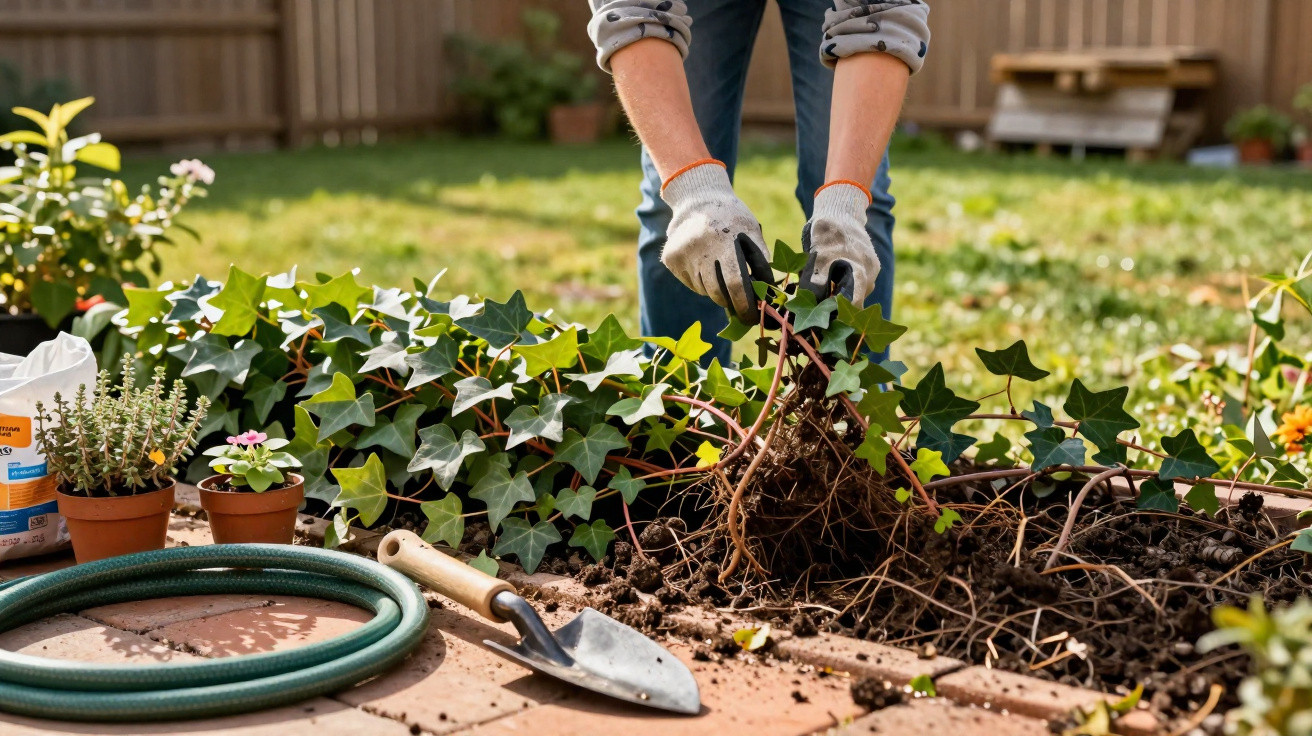
Snakes are not mysteriously attracted to “snake plants” as they might be in a horror tale. They react to microclimates. Hostas, English ivy and dense ground-cover plants form areas of lasting shade. Beneath their large leaves, soil remains cool and damp while the rest of the garden is baking. Slugs, snails, frogs and mice thrive there. Snakes follow that food source.
Tightly arranged stones or timber borders around these plants can turn a bed into a maze of ideal hiding places. When someone says, “I only see the snake when it moves,” it is because its day-to-day activity is taking place under the foliage. The plant itself is not harmful; it is merely doing what plants do by creating structure. Snakes simply treat that structure as infrastructure.
Once you view a garden as a network of shelters and passageways rather than a collection of attractive forms and colours, the pattern is difficult to ignore.
How to keep a beautiful garden without creating a snake hotel
You do not need to turn your garden into a desert to feel more at ease about snakes. Start by addressing the strongest attractions: dense, shaded planting beside walls, wood piles and rock borders. If hostas are pushed up against the house foundations or a stacked-stone edge, relocate them or thin them substantially. Interrupt the unbroken corridor of shade.
Replace some hostas and thick ground cover with plants that have lighter foliage and more space between their stems, such as hardy geraniums, lavender in sunny places, or ferns that do not spread into a solid mat. Keep visible stretches of bare earth or gravel between groups of plants. A garden that looks as though it can breathe is more difficult for snakes to use as a concealed route. They would rather move beneath a leafy ceiling than cross exposed, bright spaces.
Aim for scattered islands rather than one dense carpet.
The most common mistake is to think, “If I don’t see snakes, they’re not there.” On a hot day, they are likely to be beneath the leaves rather than making themselves visible on the lawn. Another regular error is adding thick mulch around hostas and shrubs year after year. That soft, damp material becomes a comfortable bed for rodents and reptiles alike.
Keep mulch light and uneven near the house and children’s play areas. Raise pots slightly above ground level rather than leaving them in permanently damp saucers where small creatures can hide. If an area of the garden already resembles a snake spa-with thick hostas, dark corners and an abandoned wood pile-alter one feature at a time. Small changes to the arrangement can dramatically change which animals choose to live there.
Let’s be honest: hardly anyone does this every day. Garden maintenance tends to happen in bursts, on Saturdays, or after something finally gives us a fright.
“Snakes don’t arrive because a garden is wild,” says a veteran groundskeeper. “They arrive because a garden is perfectly built for them-shade, water, hiding spots, and lunch, all within a few meters.”
That is the central point: you are not battling snakes, but adjusting their habitat. You can still retain some hostas when they are balanced with sunny, open areas. This is not about panic; it is about making informed design decisions.
- Thin out or move dense hosta clumps close to doors, patios and children’s routes.
- Replace uninterrupted carpets of leaves with mixed planting, along with visible strips of soil or gravel.
- Limit hiding places by clearing clutter, raising pots and avoiding excessively stacked stones or logs.
A garden can be luxuriant without making you feel that something is always watching from the shade.
Living with nature without living in fear
There is an understated reality that many gardeners eventually accept: no garden can be made entirely “snake-proof”. What you can influence is the likelihood of sightings. You choose whether your garden feels like an open, sunlit room or a dim passage with a low ceiling. One attracts birds and breezes; the other invites quiet, slithering visitors.
Most of us have experienced the moment of freezing after seeing a shadow move through the grass. That response is human. Your garden plan can be human as well: emotional, imperfect and still purposeful. You can say, “I love hostas, but not right by the steps.” You can remove a bed that makes you uneasy and replace it with plants that feel easier to live alongside.
Discuss it with your neighbours and compare what you have observed. A plant that fills one garden with snakes may be managed differently in another. The more people recognise how garden design shapes wildlife, the less surprised we will be when nature behaves exactly as its environment encourages it to.
| Key point | Detail | Why it matters to the reader |
|---|---|---|
| Dense plants attract snakes | Hostas and thick ground covers create cool, sheltered corridors with plentiful prey | Helps you identify the higher-risk areas in your garden |
| Habitat, not “bad luck” | Snakes seek moisture, cover and food rather than particular “cursed” plants | Gives you control: alter the layout, alter the visitors |
| Design for visibility | Open gaps, lighter foliage and thinner mulch disrupt snake hiding places | Allows you to maintain a beautiful garden while feeling safer outdoors |
FAQ
- Which plant is most associated with attracting snakes? Hostas are among the plants most often mentioned because their broad leaves and cool, damp base protect prey and create excellent hiding places.
- Does the smell of a plant attract snakes? Snakes do not visit for fragrance; they seek suitable temperatures, shelter and food. Scented flowers alone rarely affect them.
- If I remove my hostas, will the snakes disappear? Their numbers may fall, but snakes can still visit from surrounding areas if dense cover, clutter or ample prey remain.
- Are all garden snakes dangerous? No. Many are harmless and can help control rodents and pests, but feeling afraid is normal and you are entitled to manage your own space.
- What’s a safer alternative to hostas in shady spots? Choose lighter, more open plants such as astilbe, heuchera or clump-forming ferns, leaving visible soil or gravel between them.





Comments
No comments yet. Be the first to comment!
Leave a Comment