
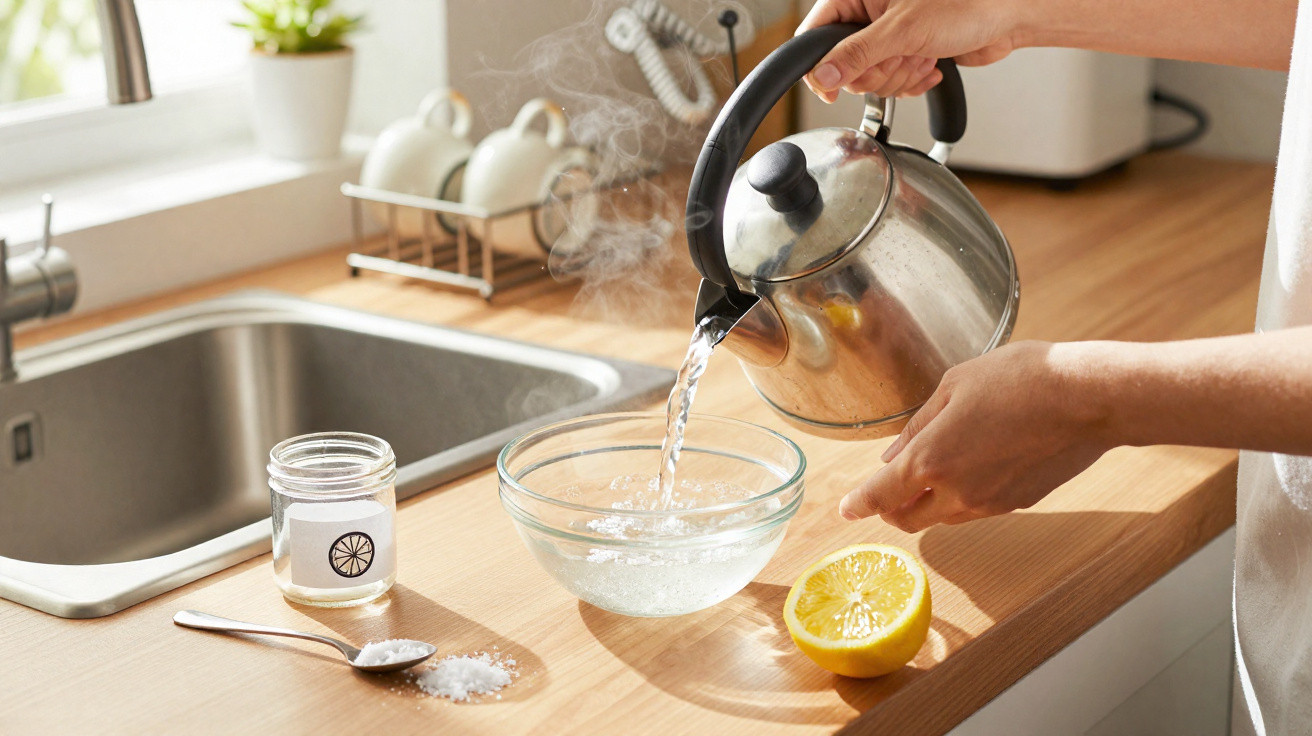
One morning, the kettle seems to take forever to whistle. As you pour the water into your mug, tiny white flakes swirl on the surface, followed by a rough deposit clinging to the bottom, almost like a crust. We all know that moment of hesitation: carry on as though nothing has happened, or finally tackle the limescale that has settled in uninvited. The good news is that there is no need to scrub for an hour or buy a harsh product. With a simple sachet of citric acid, often forgotten at the back of a cupboard, a kettle can have a clean interior again within minutes. The effect can be surprisingly dramatic.
Why limescale builds up so quickly in a kettle
The white residue is especially common in areas with so-called “hard” water, which contains calcium and magnesium. Each time the kettle is heated, a small amount of these minerals sticks to the element and inner walls, eventually creating a visible, grainy layer that can sometimes look yellowish. It is not particularly attractive, nor is it pleasant when a fragment ends up in your tea. A scaled-up kettle can look worn out before breakfast has even begun. It is an everyday occurrence, but one that deserves a simple bit of care from time to time.
In the kitchen, the clearest warning is not always the deposit at the bottom: it is often the sound. The kettle becomes noisier, heats less evenly and appears to work harder to reach boiling point. Some people also find that their tea tastes slightly duller, particularly delicate varieties. A study by ADEME notes that limescale on heating appliances can increase energy consumption, as the mineral layer slows heat transfer. Even a few millimetres can make a difference over repeated daily use.
Limescale is not dirt in the usual sense, nor does it mean the kitchen has been poorly maintained. It is simply the mark left by water after being heated to a high temperature. Let us be honest: nobody really deals with it every day. However, waiting until the entire inside of the kettle has turned white makes cleaning rather less pleasant. Citric acid works directly on this mineral layer, dissolving it with mild acidity and without a lingering fragrance or the sometimes overpowering smell of hot vinegar.
The citric acid method that removes limescale in minutes
The formula could not be simpler: add around 20 to 30 grams of food-grade citric acid to one litre of water, or adjust the amount to suit your kettle’s maximum capacity. Stir gently, then heat the solution until the appliance switches itself off. Leave it to work for ten to fifteen minutes, rather than forgetting it on the worktop for an hour. The scale will often lift away almost by itself. If the instruction manual permits it, this approach is generally suitable for stainless-steel or plastic kettles, although it is always best to check the manufacturer’s guidance.
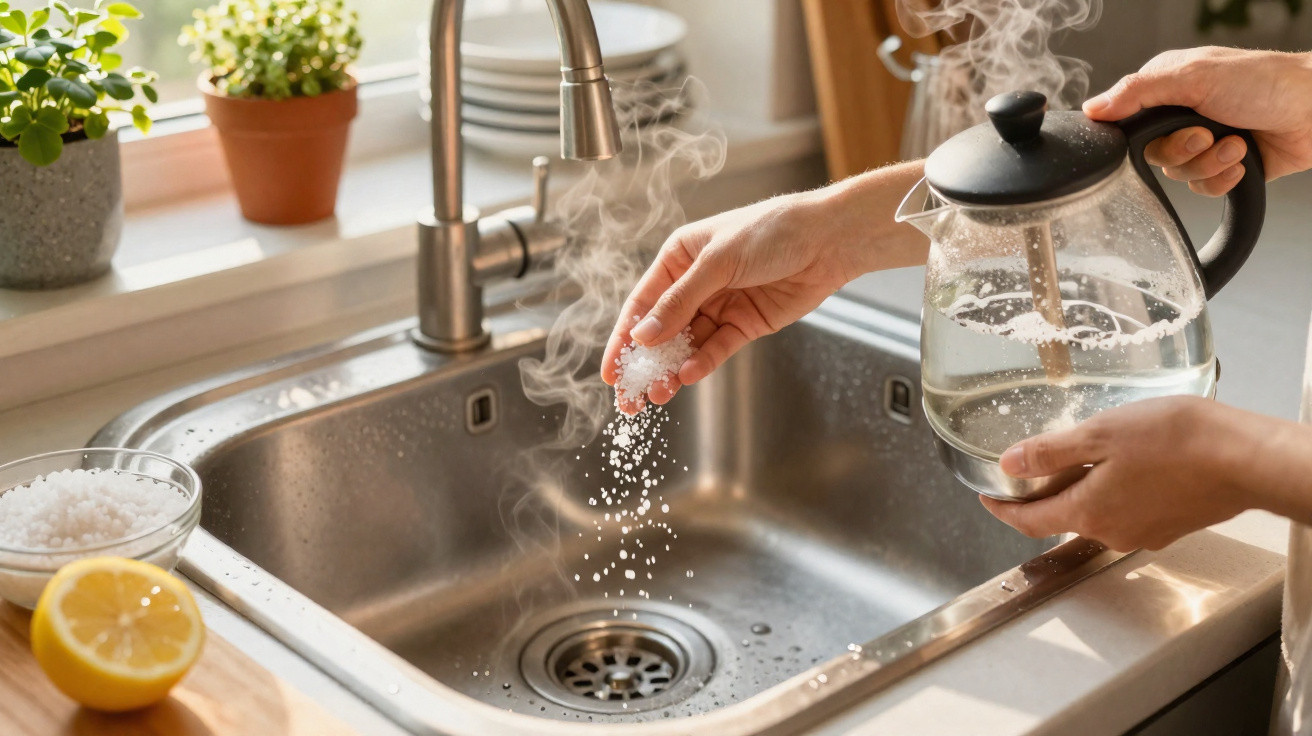
Once the waiting time is over, pour the cloudy water down the sink and inspect the inside. In many cases, the base will already be clean again, with just a few marks left around the edges. Rinse it two or three times with fresh water, then boil a full kettle of clean water and discard it. This final step prevents any aftertaste in your next coffee. Never combine citric acid with bleach or another household cleaner: the aim is an easy routine, not playing amateur chemist in your kitchen.
For heavily encrusted areas, a second short treatment is preferable to leaving an acidic solution in the kettle overnight. A soft sponge can help with accessible walls, but do not scrape the element or use wire wool. Consistency is the real secret: descaling monthly in a very hard-water area avoids major catch-up cleaning sessions. These habits make the job easier:
“Ten minutes of care today is better than replacing a kettle tomorrow.”
- Use food-grade powdered citric acid.
- Follow the minimum and maximum fill levels marked on the appliance.
- Rinse thoroughly before making tea, coffee or instant soup again.
- Never pour the hot mixture directly onto a delicate surface.
Simple habits that stop limescale returning too quickly
Once you have descaled the kettle, it is tempting to fill it again and forget about it. Yet a few straightforward habits can slow the return of the deposit. Only heat the amount of water you need: one mug for one mug, two mugs for two mugs. This is better for electricity use and also prevents water from sitting at the bottom for long periods between uses. Emptying any excess water in the evening may sound minor, but this small habit limits the white marks that form as water slowly evaporates.
In homes with very hard water, a filter jug may also reduce some deposits, provided the cartridge is changed by the stated dates. It will not remove everything, far from it, but it can extend the time between cleans. Some people prefer bottled water for tea, particularly when tap water has a very mineral taste. It is not essential: the most sensible approach is usually to watch your kettle. If the walls become cloudy again within two weeks, it is time to adjust the frequency.
The citric acid method offers another benefit: it brings reassurance. There is no need to throw away an appliance that still works simply because years have whitened its interior. A well-maintained kettle heats more effectively, looks cleaner and remains more pleasant to use every day. A sachet of citric acid is inexpensive and lasts a long time, making it a highly accessible solution. Many people discover this method after trying everything, from overly pungent vinegar to pricier anti-limescale powders. Above all, they regret not trying it sooner.
Descaling also says something about our kitchens: these small appliances we use without thinking only become noticeable when they slow down or make noise. Spending a few minutes cleaning your kettle can mean rediscovering the simple pleasure of clear water that boils quickly, tea without white particles and a morning that feels a little less rushed. Everyone can tailor the dose and schedule to their water hardness, hot-drink habits or household size. Often, one first attempt is all it takes to see the difference, before passing the tip on to the person who complains that their coffee “tastes a bit strange”.
| Key point | Detail | Benefit for the reader |
|---|---|---|
| Effective dosage | 20 to 30 g of food-grade citric acid for 1 litre of water | A simple, economical and easy-to-repeat method |
| Contact time | Heat, then leave for 10 to 15 minutes | Fast descaling without intensive scrubbing |
| Good practice | Rinse several times and boil clean water | A kettle ready to use, with no lingering taste |


Comments
No comments yet. Be the first to comment!
Leave a Comment