
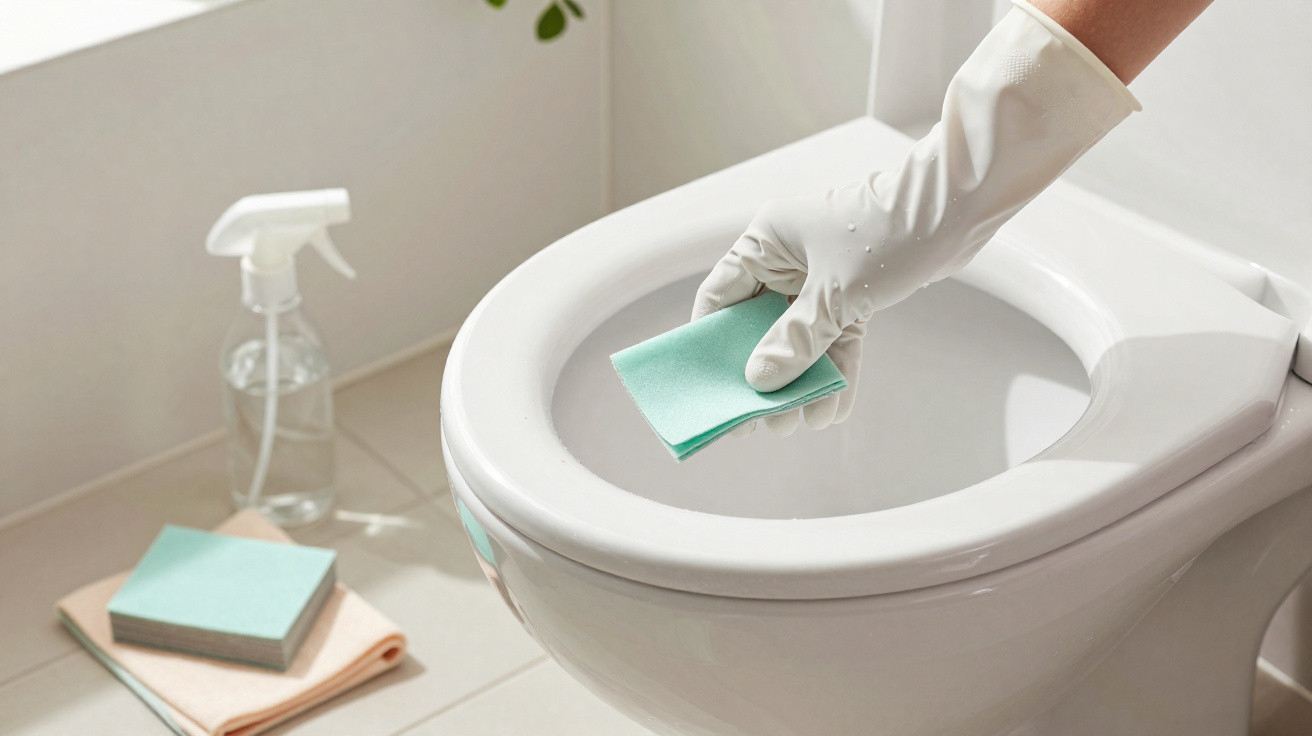
For years, people have relied on thick gels and powerful bleach to scrub toilet bowls. Now, a growing number of cleaning hacks suggest that a low-cost product from the hardware shop can make a stained bowl look “like new” - even though it is not something most people would consider using in the bathroom.
The low-tech trick trending in a high-tech world
Toilet-cleaning videos, particularly on TikTok, regularly attract millions of views. Beneath the rapid edits and striking before-and-after results, one theme keeps emerging: the most effective fixes can be remarkably straightforward. There is no need for subscription pods or premium sprays, only a basic material used more thoughtfully.
One of the most widely shared techniques involves an item associated more with a toolbox than a bathroom cupboard: extra-fine wet sanding paper, also known as wet-and-dry sandpaper. Used properly, it can remove years of mineral residue from inside a porcelain toilet within minutes, without marking the finish.
Wet sanding paper in a very fine grit can polish off limescale and rings mechanically, instead of trying to dissolve them with aggressive chemicals.
Why standard toilet cleaners hit a wall
Most shop-bought toilet cleaners use acids and surfactants to tackle mineral deposits, organic marks and bacteria. They can perform well on recent dirt, yet long-standing stains may remain despite repeated cleaning.
Typical causes include:
- Hard-water deposits, which form a chalky white or grey coating.
- Iron staining, which produces orange or brown trails running down from the rim.
- Established rings at the waterline inside the bowl.
- Tiny scratches that hold onto dirt and gradually become discoloured.
Powerful chemical products may reduce the appearance of these marks, but they do not always eliminate them completely. People then tend to scrub more forcefully with hard brushes or pumice stones. Over time, this harsh treatment can make the glaze rougher, allowing it to retain even more dirt and minerals. In the long run, that means more effort and poorer hygiene.
The product that quietly erases stains
What “wet sanding paper” actually is
Wet-and-dry sandpaper is an abrasive paper intended for use with water. At very fine grades - usually 800, 1000, 1500 or even 2000 grit - it works more like a polishing pad than conventional sandpaper.
Combined with water, the fine grit moves across glazed ceramic or porcelain and removes a microscopic amount of mineral build-up without cutting into the material below. When used as intended, it works on the deposit rather than the bowl itself.
| Grit size | Texture | Recommended use in toilets |
|---|---|---|
| 400–600 | Medium-fine | Too aggressive for most glazes; avoid inside bowl. |
| 800–1000 | Fine | Suitable for mineral rings and light limescale. |
| 1500–2000 | Very fine | Polishing and finishing, safe for delicate areas. |
For toilet use, only very fine wet-and-dry paper makes sense. Anything rougher risks dulling the glaze and making stains worse over time.
How the method actually works
The principle is uncomplicated: rather than applying increasingly strong chemicals to the mark, you remove the hardened layer that cleaning products have failed to shift. Water provides lubrication, allowing the abrasive to lift deposits while gliding across the glaze.
It is more like polishing a car body panel than tackling a bathroom fixture. The bowl does not fill with foam, there is no harsh chemical smell, and the ring visibly disappears with gentle, repeated movements.
Step-by-step: from stained to “like new”
1. Prep the bowl properly
First flush the toilet, then use your usual cleaner and a standard toilet brush. Before sanding, remove all loose dirt. If water covers the stained section, use the brush to push some water down the drain so that the heaviest rings are uncovered.
2. Choose and prepare the paper
Cut off a small section of extra-fine wet-and-dry sandpaper. Select at least 800 grit, or a finer grade if the bowl has a particularly glossy surface. Place the piece in clean water until it is fully soaked and pliable.
3. Work on the stained zones only
Wrap the paper around two or three fingers. Keeping both the bowl and paper wet, gently work in circles over the affected sections, such as the waterline ring, underneath the rim or along mineral streaks. Initially, there should be a slight resistance, followed by a smoother movement as the deposit wears away.
The right pressure feels more like polishing a glass than scrubbing a pan. If you hear grinding, stop and add more water or choose a finer grit.
4. Rinse and check your progress
Rinse the treated spot every minute or so, either with a small cup of water or a brief flush. This removes loosened particles and shows how much staining is left. Light to medium rings will usually reduce noticeably after only a few passes.
5. Finish with a soft cloth
After the mineral residue has gone, clean the inside of the bowl with a damp microfibre cloth. This clears away any remaining abrasive particles and exposes the glaze’s actual finish. A gentle toilet cleaner should then be sufficient for maintaining the refreshed surface.
Why this method resonates with so many people
A number of reasons help explain why this affordable method has spread rapidly on TikTok and Instagram Reels:
- Speed: Long-standing stains that have survived several chemical treatments may lift in one cleaning session.
- Cost: A pack of fine wet sanding sheets is inexpensive and can be used for numerous cleans.
- Control: It lets you focus on stained areas instead of soaking the entire bowl in strong chemicals.
- Less smell: The process avoids intense bleach fumes and acidic odours.
Many people post before-and-after photographs showing yellow rings disappearing and the glaze returning to a reflective sheen. The benefit is clear for tenants preparing for deposit inspections and for homeowners dealing with older plumbing.
What experts would flag as precautions
Don’t treat every surface the same
Not all toilets are alike. Certain modern bowls have advanced glazes or dirt-repellent coatings. Others are made from vitreous china with an especially uniform finish. Some lower-cost models may have slightly softer surfaces.
This difference is important. Although very fine wet sanding paper is generally gentle, incorrect use may dull the shiny top layer. At a microscopic scale, this may add texture that later stains can cling to.
Sensible safeguards include:
- Trying it first in an unobtrusive area, such as far inside the trap where it cannot be seen.
- Keeping away from painted logos, decorative markings and coloured details.
- Avoiding plastic or coated seats and lids altogether; this technique is intended only for the ceramic bowl.
Balance mechanical and chemical cleaning
This approach addresses one particular issue: stubborn rings and hardened mineral deposits. It is not a substitute for normal disinfection. In a toilet, bacteria are present not only on visible surfaces, but also in the water and beneath the rim.
Think of wet sanding paper as a reset button for surfaces that cleaners alone can’t rescue, not as a weekly shortcut for overall hygiene.
For everyday upkeep, gentle cleaners, good ventilation and regular flushing remain important. A bowl that looks polished but smells unpleasant is not a successful result.
Beyond sandpaper: building a smarter toilet routine
Using wet-and-dry paper once or twice a year can be useful when paired with better daily habits. Small changes can greatly reduce how frequently mineral deposits develop.
Straightforward long-term measures include:
- Flushing soon after use so that waste and toilet paper are not left sitting and causing stains.
- Not flushing unsuitable items, including wipes, cotton pads or sanitary products, as they can lead to blockages and trapped residue.
- Giving the bowl a quick brush each week rather than waiting for a problem to arise.
- Looking into a water-softening system in hard-water areas, which reduces mineral deposits throughout the home.
From an environmental perspective, this method can also reduce continual dependence on strong acids and bleach. Removing scale mechanically and applying chemicals only where needed may lessen the amount of harsh substances entering household plumbing, while bathrooms remain clean and hygienic.
The same principle can be used elsewhere in the home. Fine abrasives can already restore cloudy glassware, stained sinks and dulled chrome when other methods fail. In each case, the essential point is to respect the surface beneath the dirt: select the suitable grit, use water and allow patience to do the work rather than force.

Comments
No comments yet. Be the first to comment!
Leave a Comment