
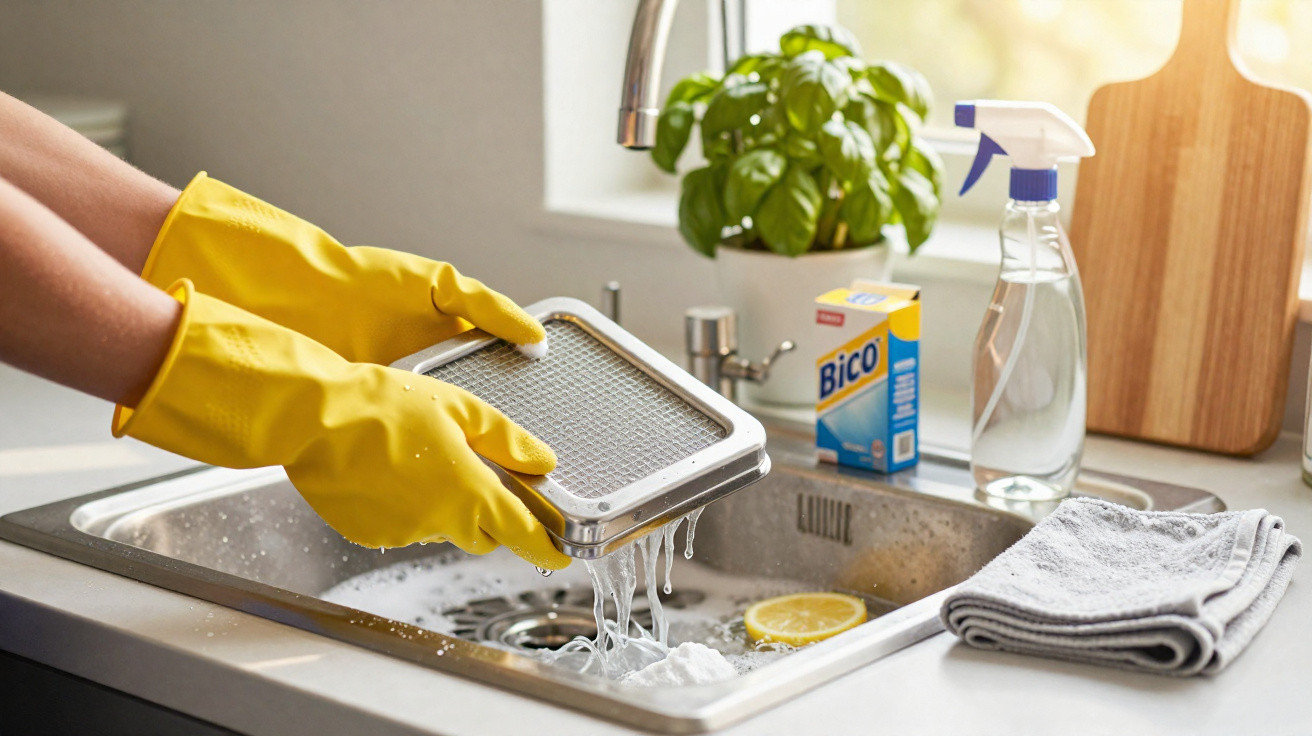
Hidden above the hob, the extractor hood works tirelessly every day, but it is often overlooked during kitchen cleaning. Grease accumulates, extraction becomes weaker, odours hang around and, before long, the once-shiny appliance can appear dull and yellowed.
Why a greasy range hood is more than just ugly
A modern extractor hood does far more than remove visible steam. It traps tiny droplets of fat, smoke particles and volatile compounds that might otherwise circulate throughout the home. Once its filters become blocked and its metal housing is coated in grease, that extraction process becomes far less effective.
Uneven extraction, sticky residue and a faint burnt smell often signal a hood that has quietly stopped doing its job.
Greasy air does not only settle on cupboard doors. It may alter the way food smells while cooking, reduce indoor air quality and aggravate asthma or allergy symptoms. In open-plan properties, the issue can extend into the lounge and even the bedrooms.
Fire-safety specialists also pay close attention to this appliance. Grease stuck to filters and ducting can fuel a kitchen fire, particularly in households that fry frequently and never replace their filters. Insurance reports in both the UK and the US regularly refer to extractor hoods in cooking-related incidents.
How often should you really clean it?
Manufacturers often offer only general guidance, but household routines call for a more precise approach. The ideal schedule depends on the way you cook:
- Frying, grilling or searing every day: wipe exterior surfaces weekly and clean filters every 2–3 weeks.
- A mixture of cooking, including some baking and boiling: clean surfaces fortnightly and filters monthly.
- Minimal use, mainly reheating food: a monthly wipe-down and filter inspection is often enough.
If the hood feels tacky to the touch, or its light appears yellow behind a cloudy coating, the cleaning has already been left too long.
The simple “sink soak” method that makes hoods look new
Many people expect a thorough clean to require aggressive products and hours of effort. However, a sensible routine using warm water, washing-up liquid and familiar household items can bring back the shine with under half an hour of active cleaning.
Step 1: Prepare a warm, degreasing bath
First, fill a large sink or plastic tub with very warm water. Add a generous squeeze of ordinary washing-up liquid, then stir until the water becomes slightly cloudy and slippery. If grease is particularly heavy, add a cup of white vinegar. Vinegar helps loosen mineral deposits and remove oxidised film from stainless steel.
Warm water, dish soap and vinegar form a low-cost, low-toxicity mix strong enough to cut through months of cooking residue.
Switch off the hood, unplug it where possible and allow its lights to cool. Take out the metal grease filters, which normally slide or click free, and place them directly in the sink to soak while you clean the remaining parts.
Step 2: Tackle the exterior without scratching it
Soak a soft sponge or microfibre cloth in the warm mixture, then wring it out lightly to prevent drips reaching electrical components. Clean the outer casing using short, firm movements:
- Begin beneath the hood, where the heaviest grime is usually found.
- Continue along the front edge, buttons and controls.
- Complete the job with the visible sides and chimney section.
For persistent marks around the hob, add a small amount of bicarbonate of soda to the damp sponge. Its fine particles provide gentle abrasion without damaging most stainless-steel finishes.
Wipe in the direction of the grain rather than using circular motions. This helps the steel retain a smooth appearance and prevents fine swirls that show up in the light.
Step 3: Revive the filters properly
As you clean the casing, the filters will be soaking and gradually releasing their grease deposits. Lift one from the sink; cloudy or slightly yellow water is a positive sign that the grease is lifting away.
Scrub both sides of every filter with a washing-up brush or old toothbrush, focusing especially on the edges where grease commonly gathers. Where residue is especially thick, sprinkle extra bicarbonate of soda directly onto the bristles before brushing.
| Filter type | Cleaning method | Replacement frequency |
|---|---|---|
| Metal mesh | Soak in warm soapy water, scrub, rinse, air-dry | Usually reusable for years if cleaned monthly |
| Charcoal cartridge | Do not wash; gently dust or vacuum the surface | Replace every 3–6 months, depending on use |
| Baffle (commercial-style) | Soak and spray with degreaser if needed | Long-lasting, but needs regular baths |
Rinse metal filters beneath hot running water until all soap has gone. Allow them to dry fully before refitting them, because retained moisture can corrode the metal and harm the fan.
Step 4: The finishing shine and fresh-air trick
When the casing feels clean, wipe it once more with a cloth dampened with clear water only. This removes any remaining soap residue that could cause streaking. Dry all surfaces afterwards using a soft towel.
A quick final buff with a dry microfibre cloth makes stainless steel look brighter and hides minor smears left by greasy fingers.
To maintain a pleasant smell in the area, some householders place a tiny piece of cotton wool with a few drops of essential oil inside the upper chimney, keeping it away from heat and electrical parts. Another practical approach is to scatter a little bicarbonate of soda on the worktop or near the bin before preparing particularly pungent foods, such as fish or bacon. Simply wipe it away after cooking; it will have absorbed much of the odour.
Why this low-tech method often beats harsh chemicals
Commercial degreasers are effective, but they come with compromises, including powerful fumes, possible skin irritation and a greater environmental impact. The washing-up-liquid-and-vinegar method instead uses surfactants that attach to grease before rinsing away, without leaving a strong chemical odour in the kitchen.
Bicarbonate of soda provides a mild physical cleaning action. Its particles work against the greasy coating, while dissolving sufficiently in water to prevent deep scratches. When used properly, these three ingredients deal with most household cleaning tasks without the cost of specialist products.
There is a behavioural benefit too. A method based on everyday products is more likely to be repeated regularly. If people connect extractor hood cleaning with toxic fumes and a lost Saturday, they are likely to avoid doing it altogether.
Hidden benefits: from energy use to your next home sale
A clean extractor hood circulates air more efficiently. You can therefore often use a lower fan setting to achieve the same result, reducing both noise and energy consumption. In smaller flats, improved extraction can make a clear difference to window condensation and the risk of mould on kitchen walls.
Estate agents often view the kitchen’s condition as an unspoken indication of how carefully a home has been maintained. A polished hood, bright lights and filters that neither drip nor smell show prospective buyers that the owner has paid attention to detail.
The range hood sits right in the visitor’s eyeline; a sticky underside suggests deeper neglect you cannot see.
Tenants can benefit from better care as well. An extractor hood that properly removes steam keeps cupboards drier, helping to prevent swelling, warping and peeling veneer. This can reduce deposit disputes when it is time to move out.
When a deep clean is no longer enough
Eventually, age and poor maintenance can take their toll on the appliance. Warning signs that a basic clean may no longer be sufficient include rattling sounds, lights that repeatedly stop working, a clear loss of extraction power or visible rust on the casing.
Before replacing the complete hood, it may be possible for a technician to service the fan motor, inspect the ductwork for obstructions and establish whether the unit is suitable for the size of your hob. Many older homes still have hoods that are simply undersized for today’s more powerful cookers.
If you are renovating a kitchen, consider future cleaning at the design stage. Selecting a model with easy-click filters, a smooth underside and fewer deep gaps will make these monthly cleaning sessions considerably quicker. Easy access can matter more than an additional fan boost setting.
As cooking habits increasingly include home frying, air-frying and experimental recipes, this unobtrusive appliance has an even greater workload. A straightforward thirty-minute routine using warm water, washing-up liquid, vinegar and a handful of bicarbonate of soda stops it becoming a greasy relic above an otherwise stylish kitchen.



Comments
No comments yet. Be the first to comment!
Leave a Comment