
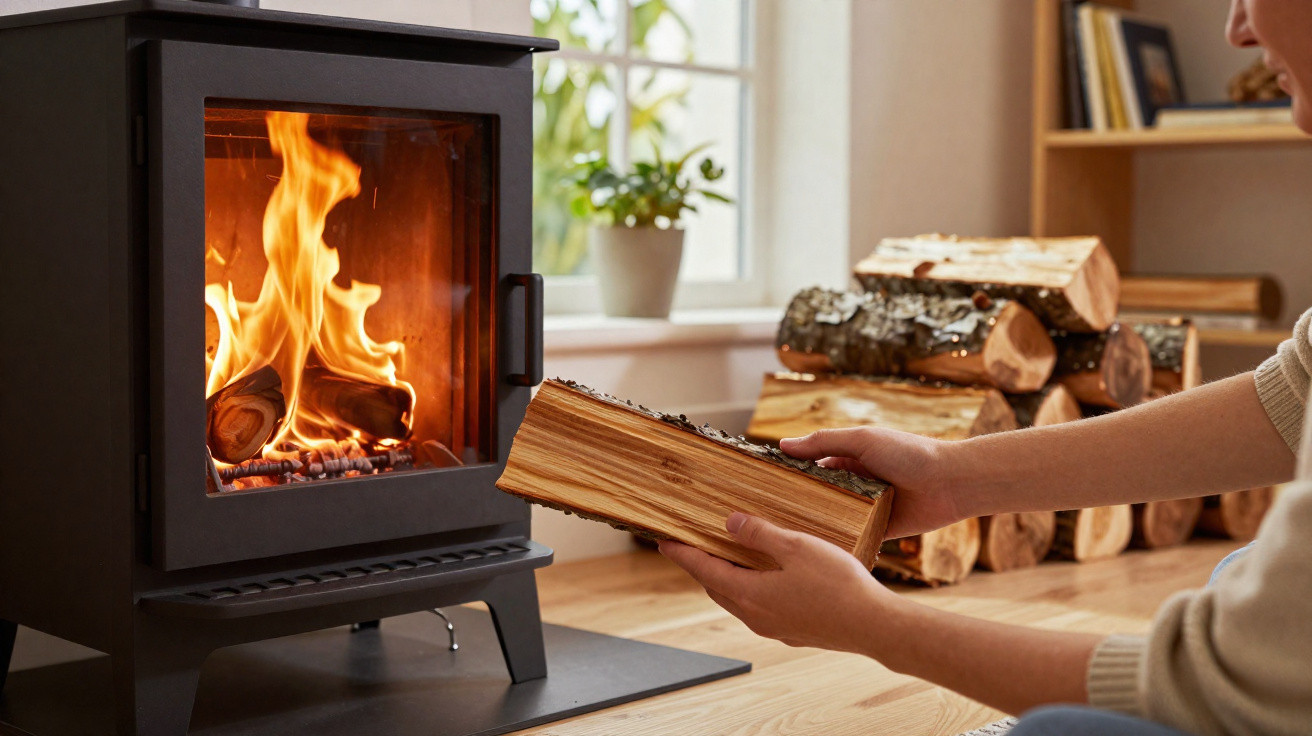
As the cold weather rolls in, people with wood-burning stoves and fireplaces start looking for more efficient ways to heat their homes.
Although plenty of households still rely on traditional logs, a newer kind of pressed log is increasingly showing up in shops-and in conversations among those who genuinely enjoy a real fire. The promise is straightforward: more warmth, less mess, and a smarter use of leftover material from the timber industry.
What the new logs are that claim to supercharge home heating
These “new logs” are not made from freshly cut tree trunks. Instead, they come from wood residues-sawdust, chips and small offcuts that previously were thrown away or used less effectively.
In principle the method is simple, but in practice it is carefully controlled: the material is dried, screened and then compressed under very high pressure, with no glue and no chemical additives. The end product is a dense, uniform, tightly compacted log, often referred to as a compressed log or densified log.
“By packing more wood into less volume and almost completely removing moisture, these logs can produce up to four times more heat than ordinary firewood.”
In day-to-day use, a single compressed log can replace three or four pieces of well-seasoned traditional firewood, which completely changes how you run a stove or fireplace.
Why these logs heat so well: the physics of fire
Less water, more usable heat
The biggest difference starts with moisture content. Even “good” seasoned firewood typically contains around 20% to 30% water. Poorly cured wood can exceed 50%. Compressed logs, by contrast, are kept below 10%.
- Poorly dried firewood: a chunk of the energy is spent simply boiling off water.
- Seasoned firewood: decent performance, but still with a noticeable loss.
- Compressed log: almost all the energy is turned into useful heat.
With less water in the fuel, the flame tends to burn cleaner, with less smoke and a higher combustion temperature. That is why these products can warm a room faster and keep the heat output steadier.
Density that genuinely matters
Density is the other key factor. When sawdust is compressed, the manufacturer effectively packs more wood into the same space. That extends burn time and helps the fire hold a higher temperature for longer.
“A densified log burns slowly, in a more controlled and predictable way, which helps to hold heat for hours without needing to keep topping up the fire.”
For anyone who lights a wood-burning stove every day through winter, that consistency reshapes the routine: fewer trips to the log store and less worry about keeping the fire going overnight.
Practical advantages for stove and fireplace users
Less mess, less effort
One of the first things people notice when trying these logs is the cleanliness. Because combustion is usually more complete, there is less ash. That means the stove or fireplace needs emptying and cleaning less often.
Soot and residue build-up in flues also tends to reduce, helping chimneys and pipes stay clearer. In turn, this can mean a lower risk of chimney fires caused by creosote accumulation and longer intervals between professional sweeps.
Compact storage without the hassle
Traditional firewood often requires stacks and stacks of logs, a well-ventilated shed and months of drying time. Compressed logs arrive ready to burn, packaged and standardised.
| Fuel | Volume required | Approximate heat equivalence |
|---|---|---|
| Traditional firewood | 4 m³ | Baseline comparison |
| Compressed logs | 1 m³ | Equivalent to 4 m³ of ordinary firewood |
That density advantage suits anyone in a flat with a fireplace, smaller homes, or places where storage space has become a luxury. And because the product is manufactured, it typically does not bring insects, fungus or mould into the house.
How to use compressed logs safely without overdoing it
Lighting it: step by step
Getting the fire started is still straightforward, but you do need to pay attention to how much fuel you load. A commonly used approach is:
- Place two or three firelighters at the base of the stove or fireplace.
- Set a small compressed log on top, or use a few thin kindling-style pieces.
- Light the firelighters and allow the flames to spread.
- Once the fire is well established, add one or two compressed logs depending on how much heat you need.
The most frequent mistake is piling in too many logs at once. Because the heat release is intense, you can drive temperatures too high and put extra stress on the appliance.
Temperature monitoring and appliance compatibility
Not every stove or fireplace was designed for this level of output. Checking the manufacturer’s instructions and confirming compatibility with densified fuels helps prevent issues.
“Overheating can warp metal parts, damage glass, and accelerate wear on seals and firebricks.”
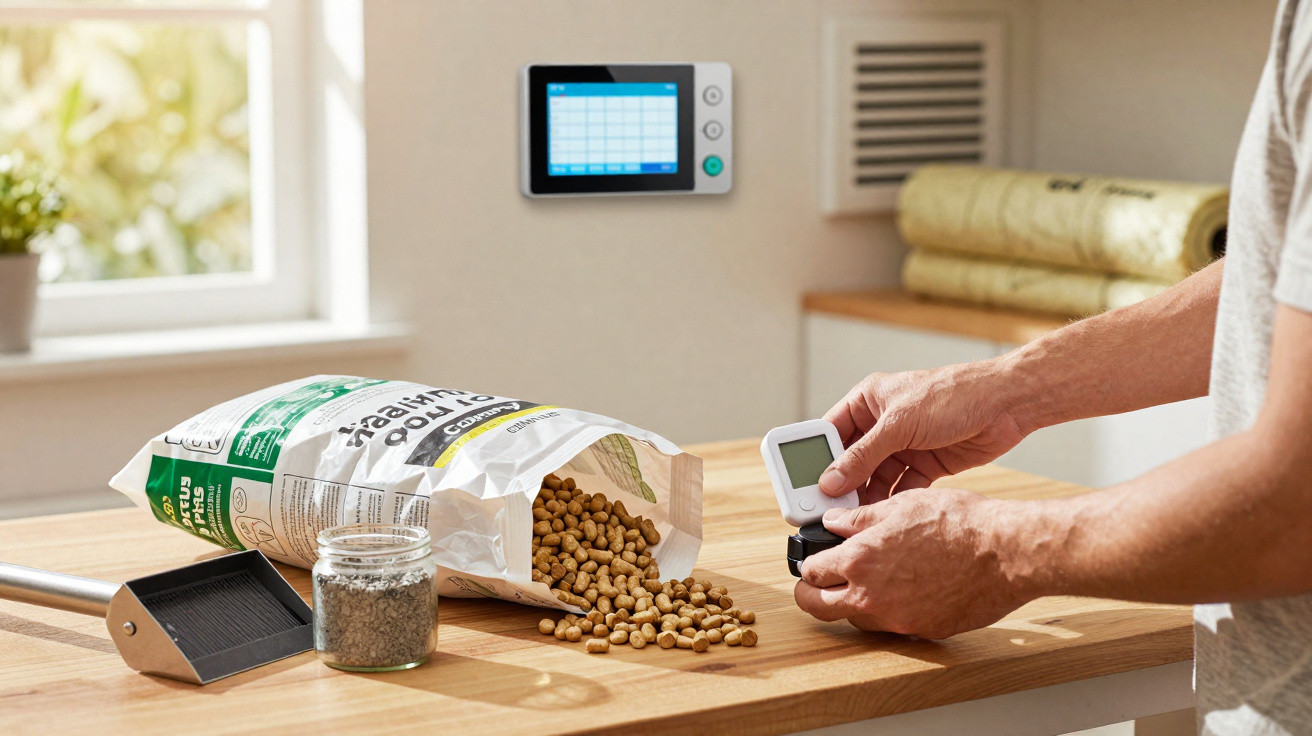
Simple flue thermometers or stove-top thermometers are inexpensive and help keep the burn within a safe range. With older installations, it is sensible to have the flue and ventilation checked before switching entirely to the new logs.
Environmental impact and longer-term value
Reusing wood industry residues
These logs make use of material that already exists: offcuts from sawmills, furniture factories and other wood-based industries. Rather than letting that residue go to waste, it becomes a high-performance fuel.
This reuse can help reduce the pressure to fell trees solely for firewood. And because the burn is typically cleaner, there is also a reduction in fine particles and visible smoke compared with burning damp or low-quality wood.
Rethinking the winter heating bill
Per unit, these logs are often more expensive than bulk firewood. However, the picture changes when you factor in heat output.
- Less volume is needed to produce the same amount of heat.
- Fewer trips are required to restock supplies.
- Reduced maintenance for chimneys and equipment.
For people who pay a premium for well-seasoned logs, or who live in areas with limited supply, compressed logs can cut overall winter costs-even if the upfront price looks higher.
Use cases, risks and sensible combinations
When it makes sense to mix compressed logs with ordinary firewood
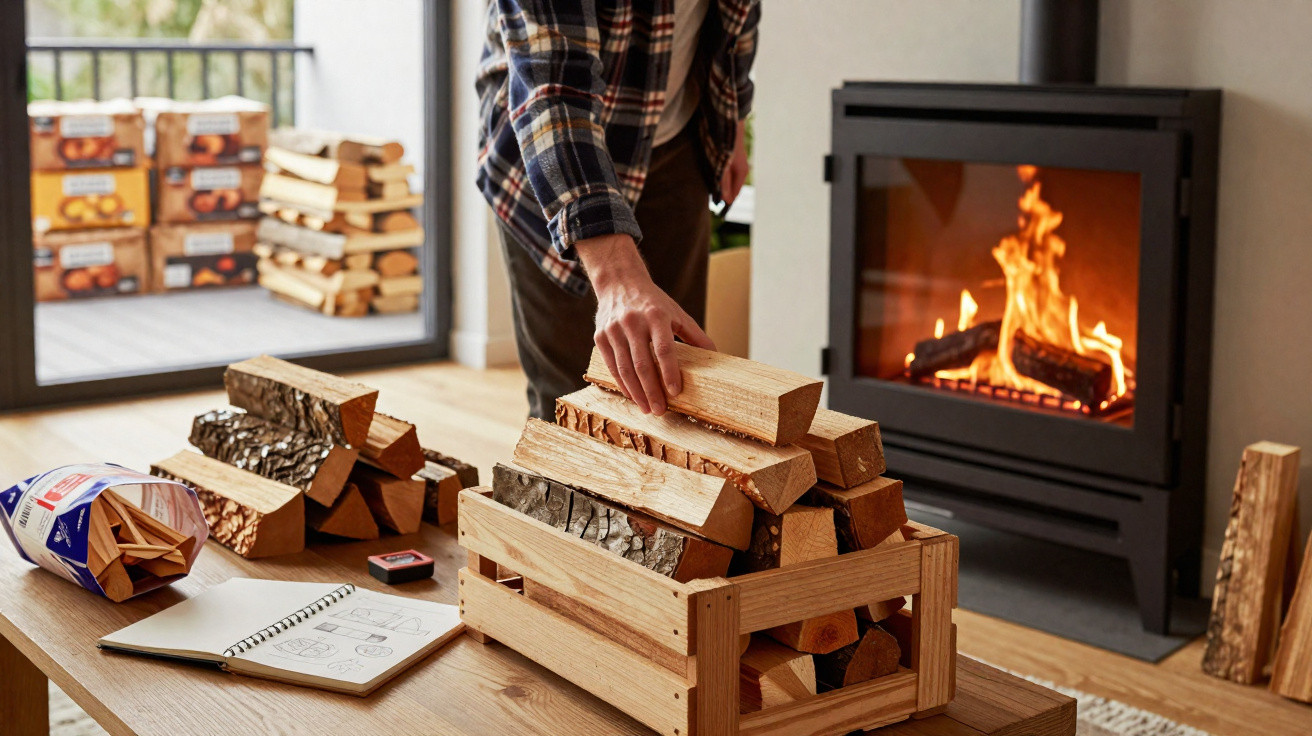
A practical approach is to use both fuels together. Traditional firewood can provide the lively flame and glowing embers many people enjoy, while one or two compressed logs act as the heat “engine” in the background.
This combination reduces firewood consumption, makes better use of what you already have stored, and gives flexibility: on very cold days, you add another densified log; on milder days, you stick to ordinary firewood.
Risks of incorrect use and extra precautions
The main hazard is underestimating how powerful these logs are. Overloading can lead to:
- Overheating of the combustion chamber.
- Damage to glass, doors and seals.
- Uncomfortable indoor temperatures, with the room becoming too hot.
Ventilation is also important. A hotter fire uses more oxygen. In very airtight rooms, it is especially important to ensure adequate air inlets and, where possible, to have carbon monoxide detectors installed.
Key terms worth knowing and practical examples
Two ideas come up repeatedly with these logs: moisture content and calorific value. Moisture content is the amount of water still held in the wood. Calorific value is the amount of energy that fuel can release when it burns.
As a practical illustration: a family that currently gets through a large volume of firewood each winter could switch to densified logs and use roughly a quarter of the storage space while maintaining the same comfort level. And if you use a wood-burning range for cooking, compressed logs can be particularly useful on bitter days-when you need to heat the house and keep a pot simmering for hours at the same time.



Comments
No comments yet. Be the first to comment!
Leave a Comment