
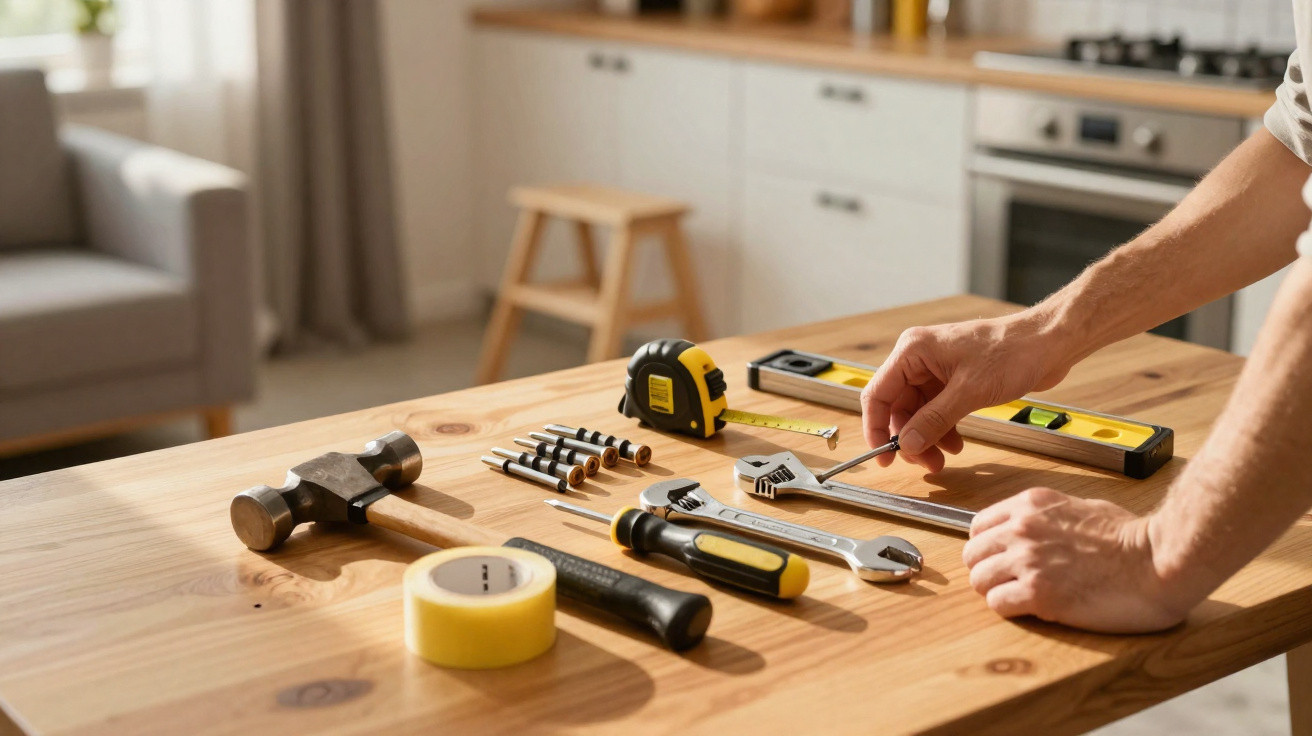
On a Saturday morning, a shelf starts to lean, a piece of furniture creaks or a picture is still waiting to be hung. We all know the moment: opening a drawer full of metal odds and ends, stray screws and an old screwdriver whose tip has survived three house moves. The usual instinct is to rush out and buy a tool “just in case”. Yet tradespeople often make the same point: a well-chosen toolkit is better than a garage crammed with machines used once every five years. At home, a handful of straightforward tools can deal with many minor emergencies without turning the hallway cupboard into a DIY shop aisle. The most surprising thing? The costliest tools are not always the ones that save the day. Usually, the right tools and the right technique are enough.
The seven tools that genuinely help with everyday jobs
Household problems never give advance warning: a handle comes loose just before guests arrive, a screw sticks out of a chair, or a furniture joint needs tightening. According to a tradesperson, the seven essential tools will fit into a medium-sized toolbox: a claw hammer, a set of flat-head and Phillips screwdrivers, adjustable pliers, a tape measure, a spirit level, a sturdy utility knife and a cordless drill driver. None is particularly glamorous, but every one proves useful in everyday life.
Marc, a renovation tradesman for more than twenty years, recalls seeing customers try to fit a curtain rail using a kitchen knife, a spoon and a bent nail. It sounds amusing until you see the damaged wall. With a cordless drill driver, a few bits and drill bits suited to wood, metal or masonry, the same job takes around twenty minutes, including measuring. The spirit level then prevents a familiar domestic mishap: a curtain rail sloping two centimetres downwards towards the window.
What these tools share is their usefulness across several jobs, without requiring endless practice. A hammer drives in a nail, pulls one out and can sometimes help nudge a small part back into place; pliers grip, hold or loosen; a utility knife opens, cuts and scrapes precisely. A good tool will not do the job for you, but it makes the task far less awkward. Let us be honest: nobody does these jobs every day, but when they need doing, it is a relief not to have to improvise.
Choosing equipment without filling every cupboard
The most practical advice is to build up your kit gradually, based on the small jobs that keep coming up at home. Start with a 300 to 500 gram hammer, a five-metre tape measure, a spirit level at least 40 centimetres long and screwdrivers in a range of sizes. For a cordless drill driver, choose an easy-to-handle model with two batteries if you regularly assemble furniture or put up fittings. Even if it was on offer, a machine that is too heavy often ends up at the back of a cupboard.
A common mistake is buying an impressive-looking 150-piece case, only to find that the bits wear quickly and the handles slip. A few tools that feel good in the hand are preferable to a flimsy set. Also consider consumables: screws, wall plugs, utility knife blades and bits always run out at the worst possible time. Keeping a small box of commonly used sizes prevents a rainy trip out for two 6 mm wall plugs.
Some purchases are tempting but have little use in a typical home: a pneumatic nailer, a large belt sander, a thermal detector or a professional mitre saw. They can make sense for major renovation work, but not for putting up a shelf. A tradesperson often sums up the rule simply:
“Buy the tool you will use three times a year, not the one that makes you feel as though you own a workshop.”
- Prioritise: versatile, repairable tools that are easy to store.
- Borrow or hire: noisy, bulky machines or equipment intended for major work.
- Avoid as a first purchase: “all-in-one” gadgets where no single function is genuinely comfortable to use.
Forgotten tools reveal a lot about how we tackle DIY
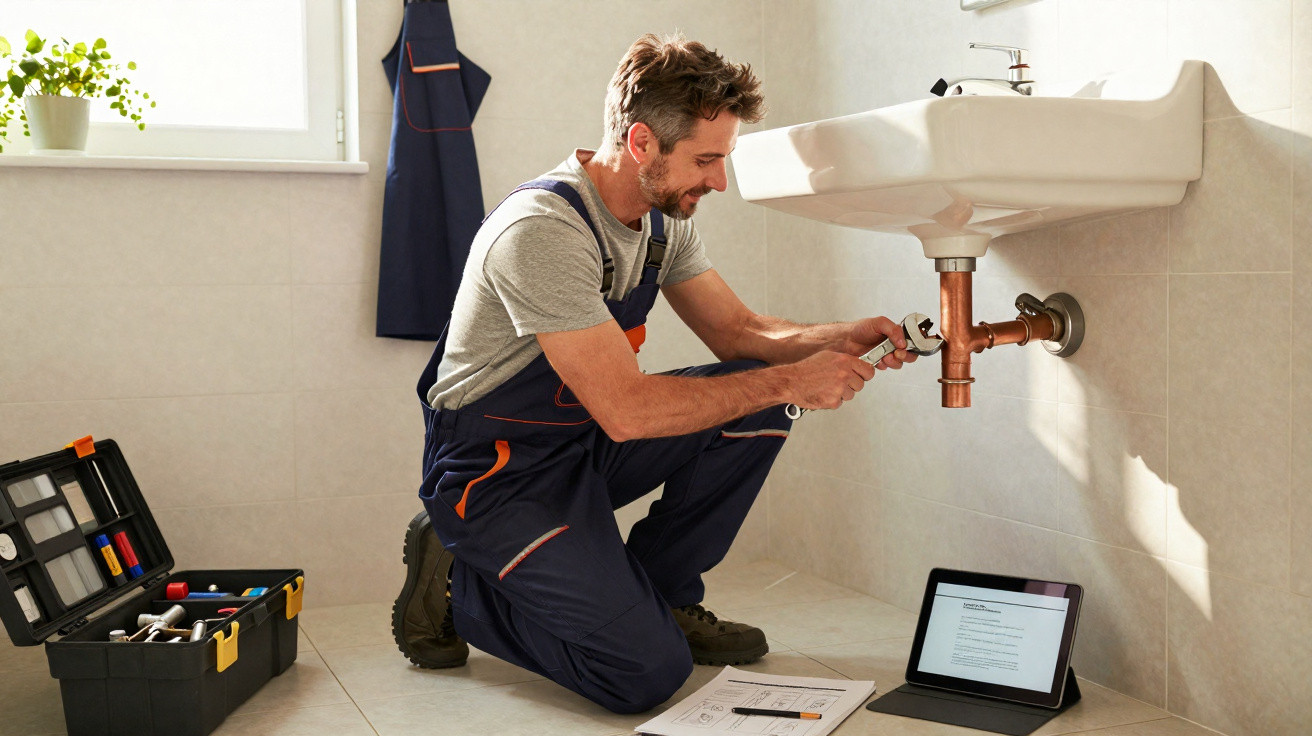
A toolbox often tells a very personal story. There is the old tape measure given by a parent, the screwdriver picked up after a house move, or the odd spanner whose purpose nobody knows but nobody dares throw away. Sorting through them does not mean replacing everything with new equipment. Above all, it means finding what you need in seconds when the sink has a slight leak or a table leg begins to wobble.
Tools that are seldom needed are not automatically pointless: a jigsaw can become invaluable for making storage, a hole saw for fitting a socket, or a socket spanner for a specific repair. The more practical questions are these: do you have room to store them, do you know how to use them, and does the job justify buying them? Hiring a machine for a day, or asking a DIY-minded neighbour for help, can be more sensible and much more sociable.
Ultimately, the best toolbox is not the one that impresses people when its lid is lifted. It is the one that lets you solve a small problem calmly, without damaging the wall or watching three contradictory tutorials at midnight. Keeping the seven essentials close at hand, checking the batteries and replacing a blunt blade already makes a real difference. What tool did you buy on impulse that is still waiting for its first proper job?
| Key point | Detail | Benefit for the reader |
|---|---|---|
| The 7 essentials | Hammer, screwdrivers, pliers, tape measure, spirit level, utility knife, drill driver | Handle most minor household jobs |
| The right buying approach | Choose versatile, comfortable tools rather than a large low-quality case | Avoid unnecessary spending and disappointing equipment |
| Rarely used tools | Nailer, large sander, mitre saw or highly specialised equipment | Borrow or hire them for occasional needs |


Comments
No comments yet. Be the first to comment!
Leave a Comment