
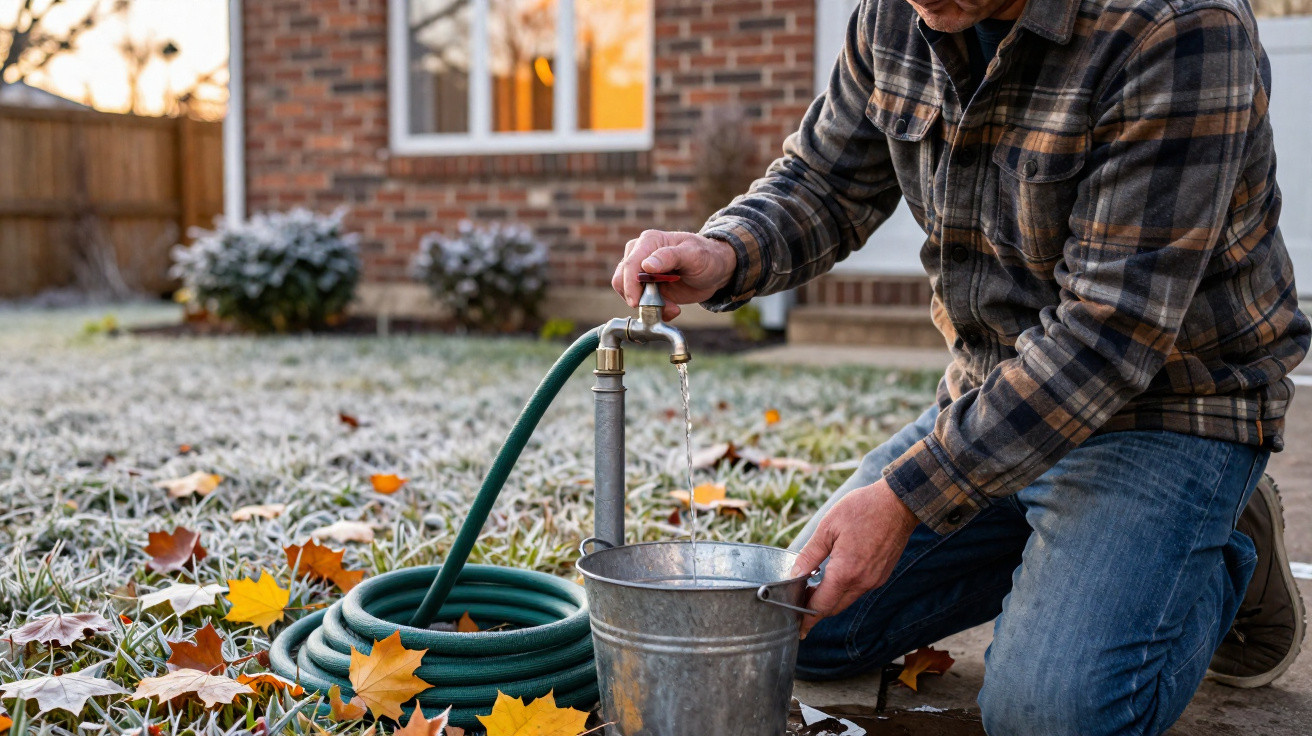
On the first frosty morning, the same scene plays out in countless homes: an outdoor tap produces no water, a pipe makes an odd sound, then a small puddle appears beside a wall. At first, it is easy to dismiss it as a minor issue or a temperamental old installation. Yet, a few hours later, the pipework may have split somewhere out of sight, behind plasterboard or beneath a patio. An emergency plumber arrives, takes things apart, investigates and repairs the damage… and the bill can quickly approach £500. One very simple task carried out before the first cold nights can greatly reduce this risk, however. It needs neither specialist equipment nor particular DIY skills. You simply need to remember to do it at the right time. That time is now.
Frost does not always burst pipes when you expect it to
We all know that November evening when the cold arrives with little warning: the windscreen turns white, garden plants droop slightly, and you tell yourself you will deal with it tomorrow. The issue with pipes is that they do not respond only to the sub-zero temperature shown by a weather app. A pipe exposed to wind, positioned in a crawl space or fixed against a north-facing wall can freeze before the rest of the house. As trapped water turns to ice, it expands and can put formidable pressure on copper, PVC or the most vulnerable joints.
The catch is that a leak does not necessarily emerge during the freezing night itself. At Marc's home near Limoges, the garage tap stopped running in January; he paid no attention, assuming there was merely a blockage. Three days after temperatures rose again, a concealed crack in part of the pipe allowed water to escape behind a partition wall. The estimate came to more than €480 for the emergency call-out, leak detection and repair, excluding the repainting still needed. It is often the thaw that exposes the damage, when water pressure returns to a pipe that has already been weakened.
Second homes, unheated garages and older properties are most at risk, but no one is entirely protected. A water supply in a utility room, a forgotten outdoor shower or a garden tap can be enough to cause trouble. Cold weather does not need to last for two weeks: a few hours below zero can create damage when water remains still in an exposed section. Pipework seems entirely unremarkable until the day it turns a peaceful Sunday into a race against time. This is why prevention depends less on major works than on a well-timed seasonal habit.
The key step for outdoor taps: shut off, drain and leave them open
Before persistent frosts begin, locate the isolating valve supplying each outdoor water point. It is commonly found in the garage, cellar, utility room or beneath a sink. Close it, then open the outdoor tap to drain the water left in that section of pipe. Keep the tap open throughout winter, with no hose connected. This quick purge prevents a pocket of water from being trapped in the pipe and turning into an ice plug. Allow five minutes, or sometimes less, for a step that protects an area usually overlooked until it causes a problem.
Many people do close the outdoor tap, then leave it at that. It is understandable: it seems logical, the garden has been put away and the evenings are getting shorter. But shutting off the supply without draining the system leaves water trapped between the indoor valve and the tap on the outside wall. Let us be honest: nobody really does this every day, and it is easy to postpone the check until the following week. Another common mistake is leaving a garden hose attached; it holds moisture, makes draining harder and puts the tap under strain when it freezes. Disconnect it, empty it and store it somewhere sheltered.
For visible pipes in a cold cellar, garage or accessible crawl space, fit pipe insulation suited to the pipe diameter, paying particular attention to bends and joints. It is not a miracle solution during an extreme cold spell, but it significantly slows heat loss and reduces vulnerable spots. Also watch areas where air circulates poorly: a garage door left ajar or a broken vent can be enough to make the temperature around a water supply drop sharply.
“A pipe with no water in it cannot freeze from the inside: this simple rule prevents many emergency call-outs.”
- Close the isolating valve for outdoor taps.
- Open the outside tap to drain residual water.
- Remove the garden hose, quick-connect fittings and spray guns.
- Add insulating protection to pipes exposed to cold.
When temperatures fall: small habits that prevent the worst
Once the outdoor system has been drained, consider rooms that are rarely used. In a utility room, attached garage or a house left empty for several days, keep a sensible minimum temperature and open cupboard doors concealing pipes against a cold wall. This lets warm room air circulate around the pipework. When a cold snap is forecast, allowing a sensitive tap to run at a very slight trickle can also reduce the chance of freezing, provided it does not become a wasteful habit throughout the entire winter. The right approach depends on the actual layout of the home.
If a tap stops running or the pressure suddenly drops after a particularly cold night, never use a flame, blowtorch or boiling water on a suspected frozen pipe. Excessively sudden heat can worsen a crack, distort certain materials or cause an accident in a cluttered space. Choose gradual warming instead: heat the room, use a hairdryer held at a distance, or wrap warm towels around the accessible section. Turn off the water supply if you spot a leak. Then monitor the thaw, because this is often when water starts escaping again.
A £500 plumber's bill is never merely an entry on a bank statement: it often brings stress, a disrupted working day and, sometimes, a damp wall that needs repairing. Checking your taps before winter may feel insignificant alongside everything else to do, from clearing leaves to turning the heating back on. Yet these modest actions are exactly what can make a difference in a home. Mention them to an elderly neighbour, someone who will be away for a long period or a person who has just moved in: good habits can sometimes spread more effectively than an emergency repair estimate.
| Key point | Detail | Benefit for the reader |
|---|---|---|
| Drain outdoor taps | Close the indoor supply, then open the outdoor tap | Prevents standing water from freezing in the exposed pipe section |
| Remove the garden hose | Disconnect, drain and store accessories | Reduces the risk of frost around the tap and fittings |
| Watch cold areas | Garage, cellar, north-facing wall, crawl space, unoccupied home | Makes it possible to act before an expensive crack appears |

Comments
No comments yet. Be the first to comment!
Leave a Comment