

At 3 pm, the thermometer read 36°C outside, yet Claire’s small house remained surprisingly bearable. The shutters were closed, the old walls retained their thermal mass, and it was still possible to drink a coffee without feeling as though you lived in an oven. Then came the renovation everyone recommended: improved insulation, new windows and treated loft space. Bills fell the following winter. In summer, however, something changed. Indoor temperatures began to rise, slowly but steadily. The nights became difficult.
After the work: a home that trapped heat too
We all know the feeling of arriving home after a sweltering day and hoping for a little coolness beyond the front door. For Claire, that relief disappeared after internal insulation and highly airtight new joinery were fitted: the house no longer breathed in the same way, and heat that entered during the day appeared to remain trapped until morning.
This situation is far from unusual. In an old stone house, thick walls absorb some of the heat and release it gradually. When that balance is abruptly altered by unsuitable materials or inadequate ventilation, summer comfort can worsen by several degrees, particularly beneath the roof and in west-facing bedrooms.
The issue is not necessarily insulation itself, despite what is sometimes said. It lies in the way it is designed. A high-performing building envelope reduces heat transfer, which is valuable in winter, but it can also prevent cooler night air from refreshing the interior when shading, ventilation and thermal lag have been overlooked.
Winter improvements are not enough during heatwaves
Before accepting a quotation, the most practical approach is to watch how the house behaves over several hot days. At what time does the sun hit the glazing? Which rooms remain warm after midnight? Where does air still circulate? These almost ordinary details help identify the real culprits: an unshaded glazed door, a dark roof, poorly ventilated loft space or a bedroom tucked beneath the tiles.
A common mistake is to consider only the promised heating savings. This is understandable: energy savings are visible, financial support encourages this approach, and many households simply want to stop living with draughts. But a successful renovation must also account for weeks when temperatures rise above 30°C, which are now far less exceptional.
To maintain comfort, professionals often highlight the combination of solar protection and night-time ventilation.
“A well-insulated home must be able to shield itself from the sun before heat passes through the glass, then release the accumulated heat once the outdoor air becomes cooler,” says an energy-renovation adviser.
A few measures can make a genuine difference:
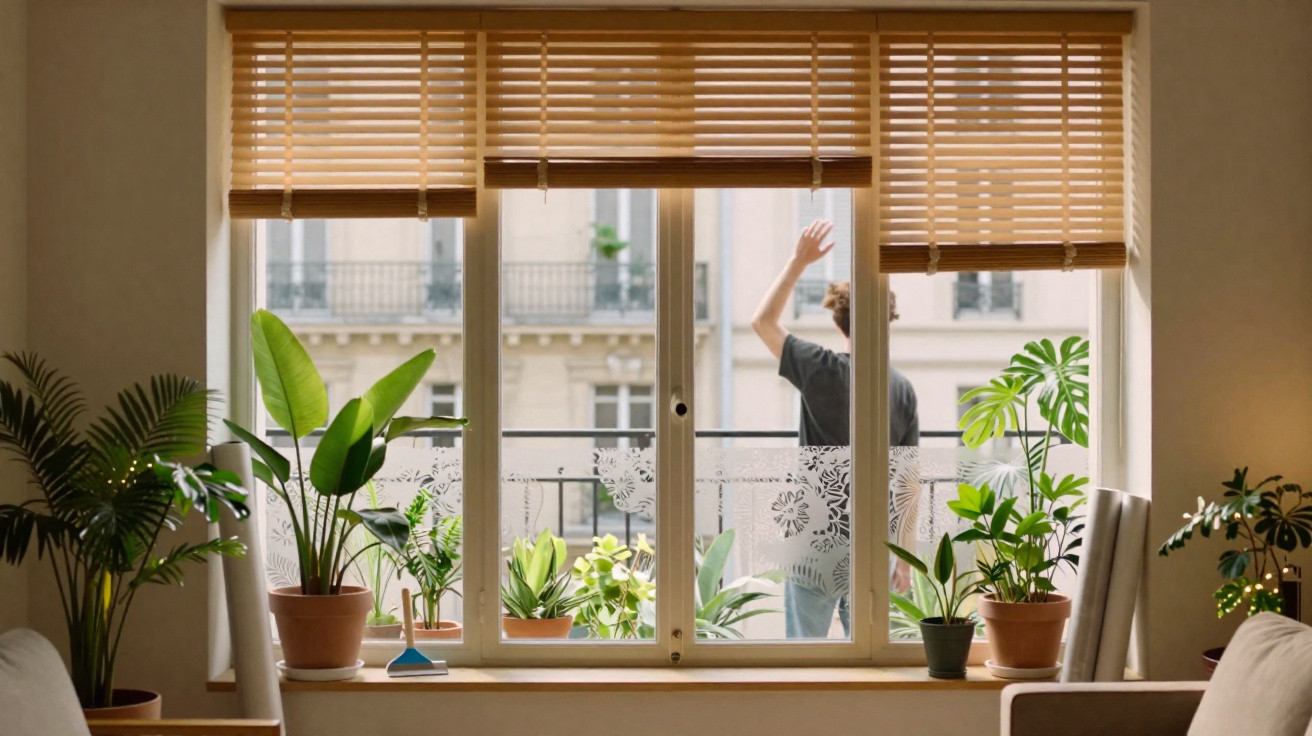
- fit shutters, external blinds or brise-soleil to the most exposed elevations;
- choose insulation with good thermal lag, particularly beneath the roof;
- plan suitable ventilation and windows that can be opened safely at night.
Summer comfort is the real test of a successful renovation
A highly efficient new window can become a solar trap when it receives afternoon sun without an external shutter. By contrast, a basic internal blind reduces glare but often still allows heat into the room, because the radiation has already passed through the glazing. The distinction may sound technical, but it is quickly felt on a clammy pillow at around two in the morning.
Loft spaces often bring the greatest surprises. Thin insulation installed to save space may slow heat loss in winter while allowing solar heat to pass through the roof quickly. Denser materials, such as wood fibre, delay that transfer for longer. It is not magic, but that delay can save a summer evening.
Habits also matter, without being judgemental. Throwing windows wide open at midday because the air seems to be moving, leaving shutters raised to keep daylight or running the oven during a heatwave can undo some of the work already carried out. Let us be honest: nobody manages this perfectly every day, particularly once tiredness sets in.
A cool home is not a home sealed all year round
The right approach is to treat renovation as a balance, rather than a race to create the most heavily insulated wall. Claire’s home was not “bad” before the work; it simply had invisible qualities: natural thermal mass, old shutters and draughts that could be unpleasant in January but useful on some July nights. Removing them without providing alternatives merely shifted the problem.
Requesting an assessment that includes summer comfort can prevent many regrets. A professional can examine orientation, solar protection, ventilation, materials and the ability of walls and roofs to slow heat gain. This broader approach may require a little more thought at the outset, but it can avoid paying later for air conditioning used for several months each year.
Periods of extreme heat are also changing how we view renovation. For a long time, a house was judged by its ability to retain warmth. Today, it must retain heat in winter, block it in summer and recover coolness overnight. A truly pleasant home is not airtight at any cost: it is adapted to the people living in it, their routines, their neighbourhood and the changing climate.
| Key point | Detail | Added value for the reader |
|---|---|---|
| Insulation and heat | An airtight envelope can retain heat accumulated during the day. | Understand why a renovation can make summer nights worse. |
| External shading | Shutters, external blinds and brise-soleil stop sunlight before it reaches the glazing. | Reduce overheating without automatically relying on air conditioning. |
| Whole-home approach | Orientation, ventilation, roof design and materials must be considered together. | Select durable work that is useful in winter and during heatwaves. |





Comments
No comments yet. Be the first to comment!
Leave a Comment