
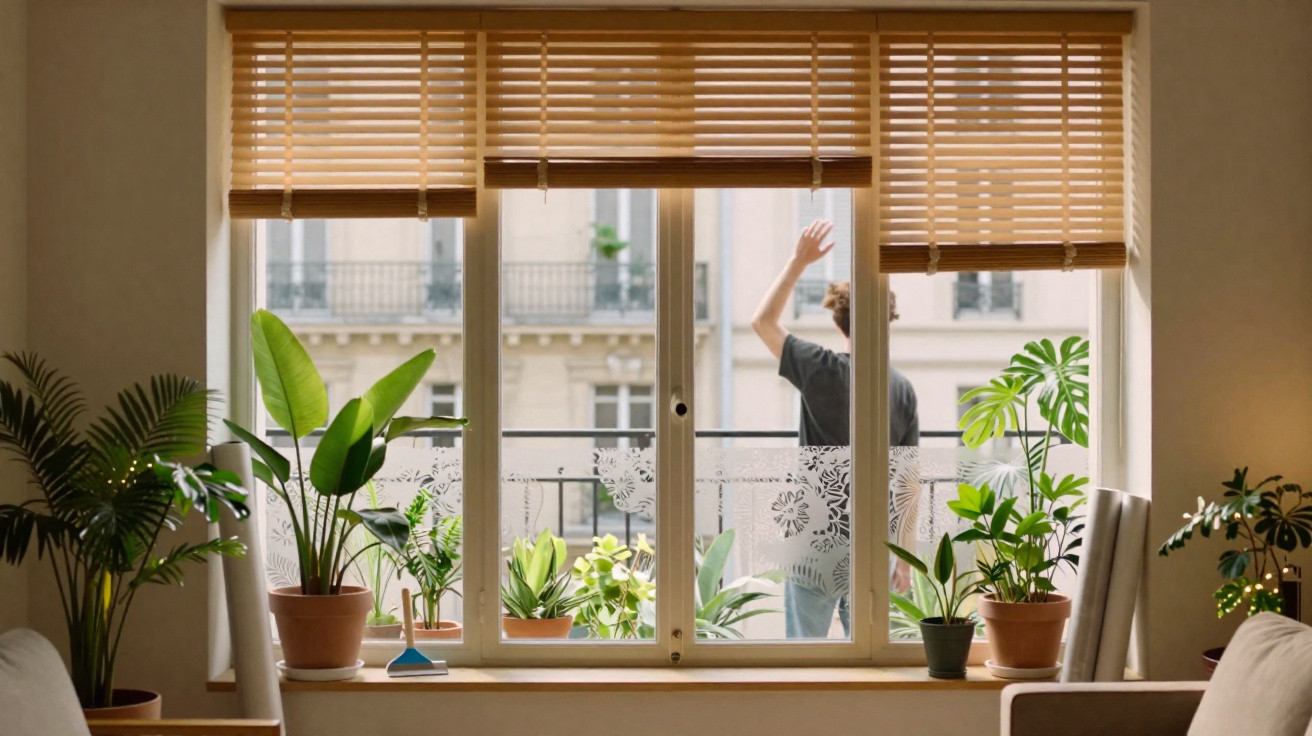
Curtains remain a common feature in French homes, yet several options can maintain privacy without making windows feel heavy.
Published on 4 June 2025, the source page sets out six ways to replace conventional curtains. These alternatives address practical concerns: softening daylight, preventing overlooking, making cleaning easier and changing a room’s feel without major work.
Why curtains are no longer universally popular
For a long time, curtains were seen as essential: they dress a window while shielding a home from outside view. They can also reduce early-morning light or make a bedroom or living room feel warmer.
However, their upkeep can be troublesome in some homes. Fabric traps dust and odours, especially close to a kitchen or in a poorly ventilated room. Larger curtains can be awkward to take down, wash and rehang. Anyone sensitive to dust must clean them regularly.
“Giving up curtains does not mean giving up privacy: light, protection from overlooking and decoration can all be achieved in other ways.”
The most suitable choice will largely depend on the room’s aspect, how close neighbouring properties are and how the window is used. A solution suited to a brightly lit living room will not necessarily meet the needs of a bathroom opposite another building.
Blinds: an adjustable everyday option
Blinds are among the most widely used alternatives. Their key benefit is the control they offer over light. Depending on the type, they can be raised, lowered or have their slats tilted to cut glare while retaining a view outside.
They are available in many styles, including roller, Venetian, pleated and vertical blinds. Understated designs can blend into a restrained interior, whereas bolder materials or colours can turn the window into a decorative feature.
Protection that can also improve comfort
Some blinds use so-called thermal fabric, intended to reduce some heat transfer between the glazing and the room. Their performance depends on the product’s quality, installation, glazing and the home’s overall insulation. They are therefore not a replacement for energy-efficiency renovation, but may complement other measures.
- A roller blind suits standard-sized windows.
- A slatted blind enables precise adjustment of incoming light.
- A blackout model can be useful in a bedroom.
- An easy-clean blind reduces maintenance demands.
Window films: discreet and quick to fit
Adhesive window films provide a straightforward answer to overlooking. Available in translucent, opaque and decorative finishes, they are applied directly to the glass. They can create a frosted appearance, reproduce a pattern or simply allow light through.
This option is particularly suitable for windows facing a street, certain glazed doors and bathrooms. A film can block views at eye level without making the whole room dark. The glass must be cleaned carefully before application to prevent dust and air bubbles.
“Partly covering glazing keeps the room bright while creating a visual barrier from the outside.”
Removable films make it possible to change the effect over time. It is still important to check the manufacturer’s instructions, particularly where a window has specialist glazing or the property is rented. A finish that is permanent or hard to remove may cause disagreement at the checkout inspection.
Plants to dress a window differently
Placing plants in front of a window offers a living alternative to drapes. Hanging plants, a window box or large pots nearby can break up a direct view from outdoors. They form a light visual screen without closing off the space completely.
This choice requires some planning. Not all plants tolerate the same aspect. A very sunny window may dry out certain species, while a dark sill will restrict the growth of plants that need plenty of light. The floor and windowsill should also be protected when watering.
Arranging plants according to the light
Plants should not obstruct opening casements or block ventilation. In a small room, a few hanging plants can keep floor space free. In a living room, taller plants set to one side of the window can give structure to the décor without cutting out all daylight.
Textured glass for greater privacy
Textured or sandblasted glass serves a very specific purpose: it prevents a clear view through a window while retaining brightness. Its patterned surface or treatment obscures outlines and turns the glazing into a decorative surface.
It fits naturally in a bathroom, hallway or glazed internal door. It avoids introducing textiles into a room exposed to humidity. It does, however, require consideration before work begins, since replacing glazing is a more lasting intervention than fitting a blind or film.
Fairy lights and external shutters
Fairy lights can frame a window or hang slightly in front of the glass. They do not genuinely protect against overlooking, but they alter the evening atmosphere and provide soft supplementary lighting. Equipment designed for indoor use should be chosen, cables kept away from water and electrical sockets not overloaded.
External shutters provide a very different solution. They can close off the window, increase darkness and, depending on the model, protect the glazing. They also offer protection from bad weather. Whether they can be installed depends on the façade’s configuration, leasehold or co-ownership rules and, in some areas, planning requirements.
What to check in France before altering windows
In France, a tenant can generally fit removable items, such as blinds that are not permanently fixed or films that can easily be removed, provided the property is returned in its original condition. Any work that permanently changes the frames, glazing or external appearance of a building calls for greater care.
In a co-owned building, shutters, external blinds and replacement windows may affect the building’s appearance. The co-ownership rules and decisions made at the general meeting may govern such work. For a house in a protected area or one subject to particular local rules, the town hall may also require certain formalities.
Before selecting an option, it remains useful to observe the window at different times of day. Its orientation, the strength of the sun, overlooking and the ability to ventilate the room often determine the right balance between daylight, privacy and comfort.





Comments
No comments yet. Be the first to comment!
Leave a Comment