
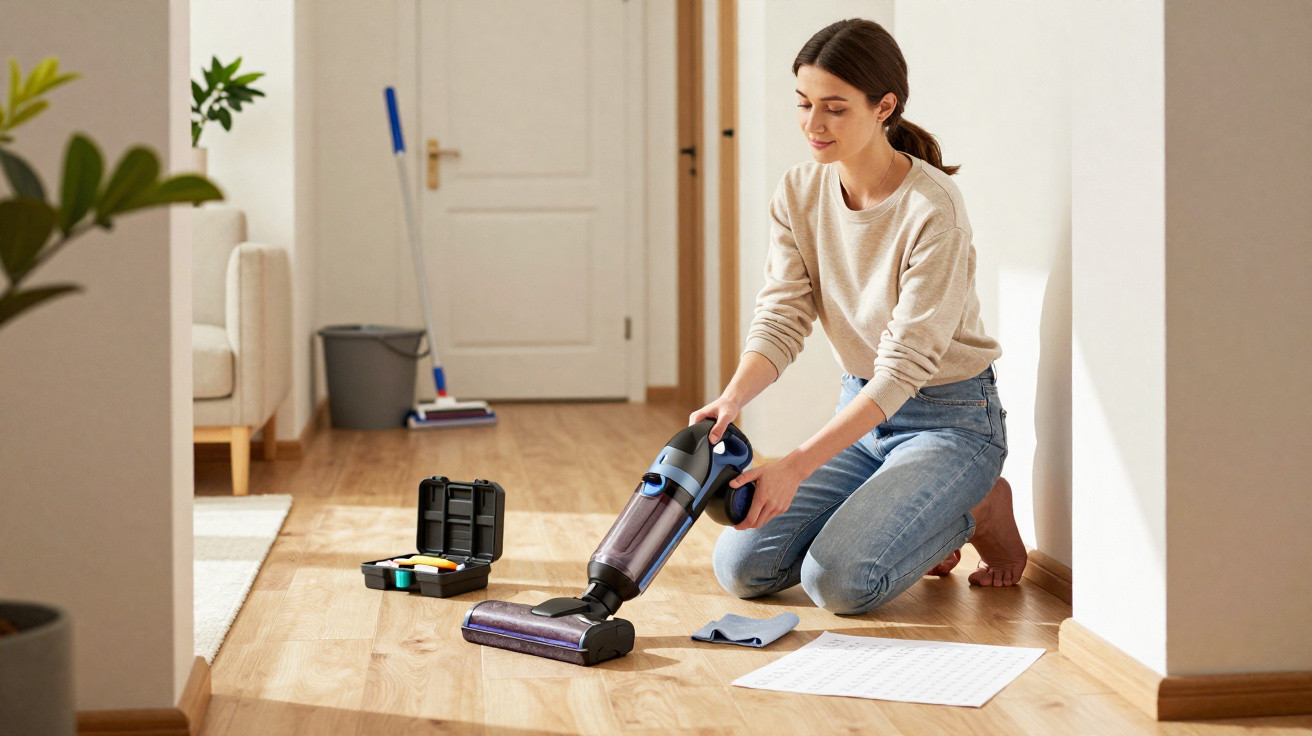
The day my vacuum cleaner gave up halfway along the hallway, I wasn’t shocked. I was angry, worn out and, if I’m honest, slightly ashamed. The plastic hose had split yet again, the filter had a burnt smell, and the machine rasped like a smoker walking upstairs. I had bought it under two years before. Earlier than that, I had ruined a steam mop, a bucket, three microfibre mops and an entire collection of sponges - all for the sake of a Saturday “deep clean”.
As I stood in that partly dusted corridor, a thought struck me: perhaps the issue was not the cleaning stuff, but how I used it.
That afternoon, I did something that felt almost unacceptable.
I stopped cleaning everything at once.
How “big clean” days quietly ruin our stuff
We all enjoy the image of the mega cleaning day: loud music, leggings, hair tied back, and the noble belief that by 5 p.m. the house will gleam like a photo in a rental listing. In reality, those days are punishing - for our bodies, our mood and our belongings.
When I thought about every broken tool I had owned, the pattern was obvious. Each piece of “equipment” failed within days or weeks of one of those legendary marathon sessions. I pulled, scrubbed, forced and soaked. Everything was pushed to its limit in a single burst. It seemed efficient, but it was simply harsh.
My steam mop is the clearest example. I decided that Sunday would be its day: tiles, skirting boards, bathroom, kitchen grout and even the balcony. I filled the tank over and over, pressed increasingly hard, and carried on until the pads were grey and the water smelt like a public toilet.
Five hours later, the mop head had warped, its cable had tiny splits where it had been twisted around table legs, and two weeks after that it would no longer heat up. The warranty was refused because of “signs of intensive use”. I remember thinking, “Well, that’s what it’s for, isn’t it?” Apparently not.
Cleaning everything at once overlooks what these objects were made to do. Most tools are designed for steady, moderate use, not a battle twice a month. Plastic vacuum wheels can crack after hours rolling over rough flooring. Spray triggers fail after being squeezed a thousand times in one morning. Cloths and sponges deteriorate more quickly when they remain wet all day before partly drying in awkward corners.
There is a less obvious cost too: our focus fades, we hurry, knock things and use too much spray. That is how a bucket gets kicked down the stairs or a sofa ends up drenched in detergent. The thrill of a deep clean can come with the gradual destruction of our belongings.
The understated benefit of doing less, more regularly
The change for me began with a very small, almost dull choice. I divided cleaning into ridiculously short jobs. Rather than aiming to “do the whole apartment”, I selected one area and one tool. Ten to twenty minutes at most: kitchen worktops today, bathroom basin tomorrow, vacuuming only the hallway, or dusting just the shelves.
The key was giving up the pursuit of the immediate visible “wow” effect. What I wanted was longevity. Instead of treating my tools as disposable soldiers, I began treating them as co-workers I wanted to keep in good condition. I no longer ground the mop head into the floor in frustration or dragged the vacuum cable from room to room. Things began to last, and I was no longer collapsed on the sofa at 4 p.m., wondering where my Sunday had disappeared to.
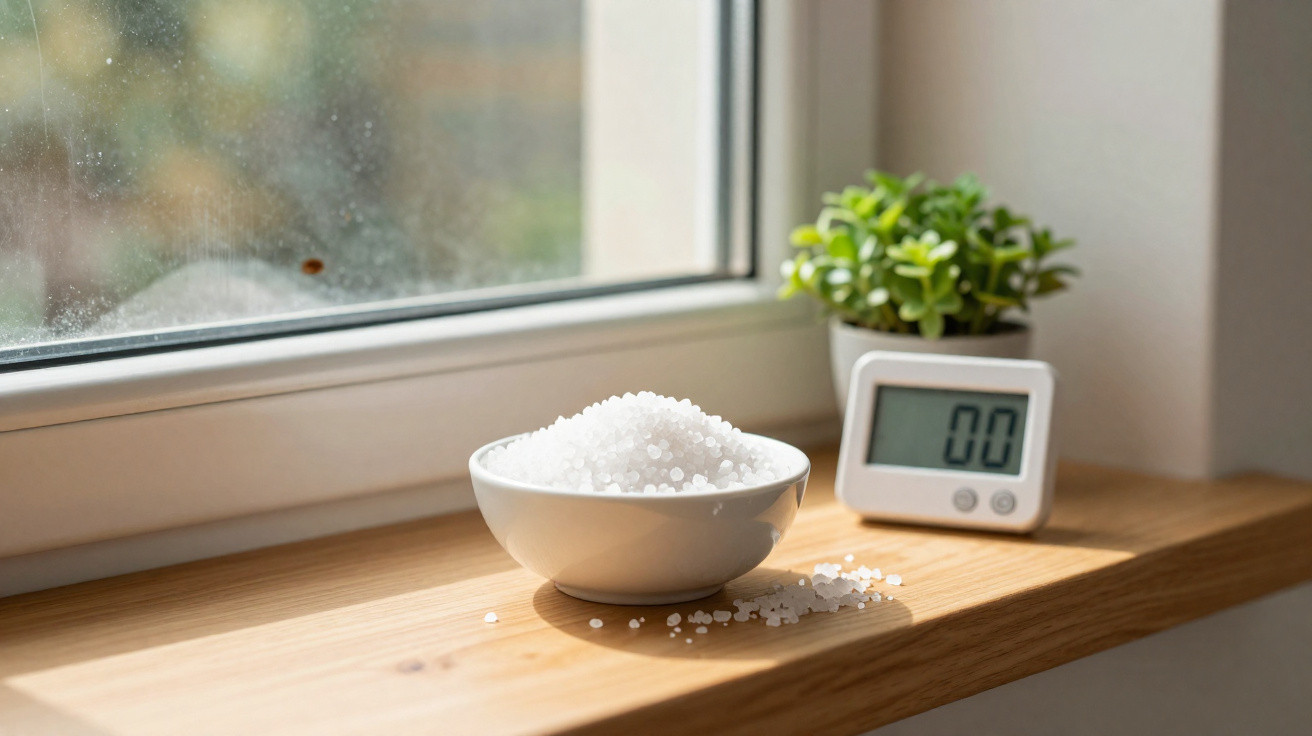
One evening, instead of falling into my familiar “I have to clean the whole living room” panic, I tested a micro-session. I decided to clean only the sofa and coffee table. With one cloth, a mild spray and a 15-minute timer, I stopped as soon as it rang - even though half the room was clearly still dusty.
A week later, I spent another 15 minutes on the TV stand and one shelf. The following week, I did the floor alone. After a month of these small blocks, something unexpected happened: the living room stayed consistently presentable. It was not magazine-perfect, but it was never chaotic. My cleaning equipment was still in good condition rather than drained by a monthly war. I had not needed to buy a new sponge for weeks. It felt like I was getting away with something.
There is an unexciting but convincing reason this works. Brief, focused sessions create less friction and put less strain on materials. Using less water means fewer swollen wooden handles and rusted screws. A time limit stops you pushing tools beyond their intended capacity, while making it easier to spot early signs that something is not right. It also keeps you out of the “since I’ve already taken everything out, I might as well scrub the ceiling” trap, where products get used on surfaces they were never intended for.
Of course, nobody genuinely manages this every day. Life becomes untidy, children are ill and work takes over. Still, a few well-timed micro-sessions during the week can protect both the home and the equipment. Less heroics, more consistency: that is where durability is found.
A gentler cleaning method that saved my tools and weekends
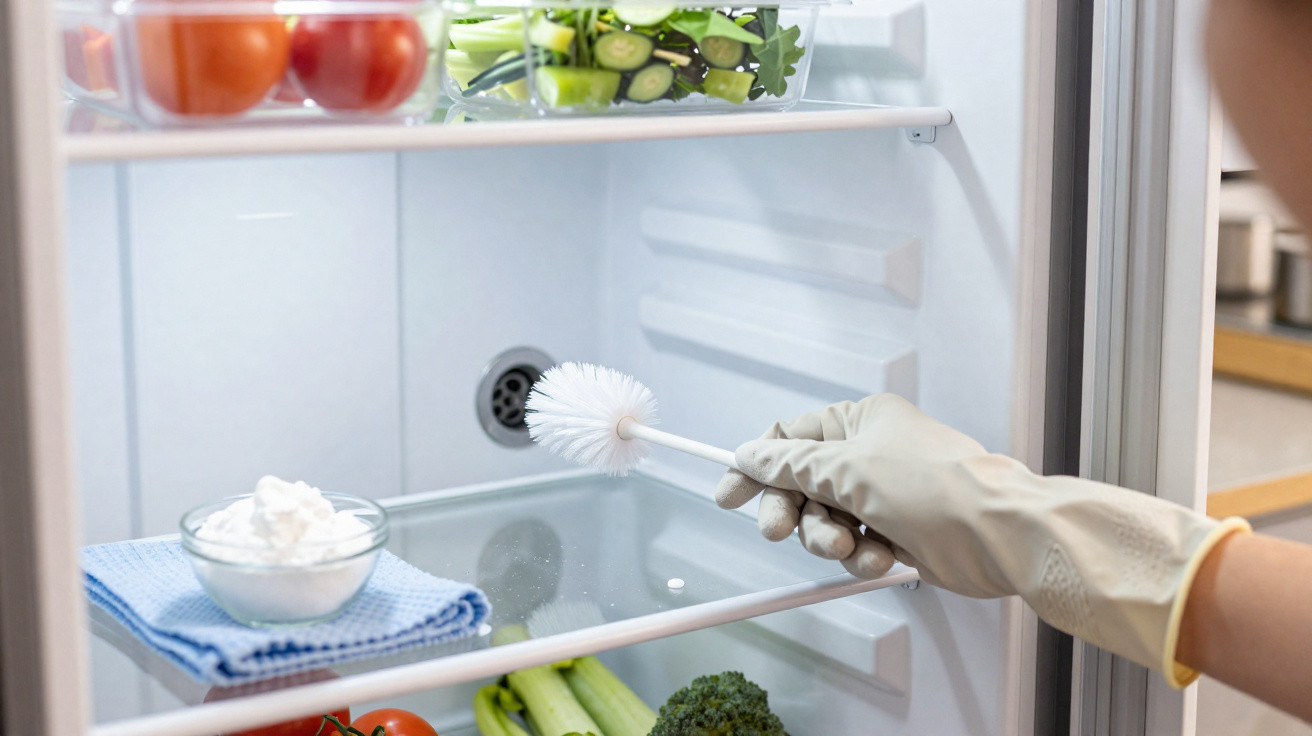
The routine that finally worked for me is incredibly straightforward. On the fridge, I keep a short, visible list of four areas: kitchen, bathroom, floors and surfaces. Under each, I write three or four very small tasks. Rather than “clean the kitchen”, the list says “wipe the stove”, “empty crumbs from toaster” and “clean sink”. The rule is one task each day, for no more than 20 minutes, using one or two tools.
I also started giving my equipment “days off”. I use the vacuum only on Tuesdays and Fridays, mop once a week, reserve microfibre cloths for dusting and keep sponges for washing up. By no longer expecting every item to do everything all the time, I stopped overusing them. They now wear out gradually and predictably, as they should. Strangely, I started respecting them more once I stopped sacrificing them on cleaning marathons.
For anyone used to the “destroy-yourself Saturday clean” cycle, this method may initially feel far too gentle. You may think, “This will never be enough; my place will fall apart.” That concern is understandable. We often attach our sense of worth to how much we finish in one day, and how exhausted we are afterwards.
The problem is that guilt can make us aggressive. We scrub more fiercely than necessary, pour extra chemicals onto stains and disregard the small-print instructions on bottles. Sprays labelled “leave for 2 minutes” remain in place for 20. Machines that ought to cool down after 30 minutes are operated continuously for two hours. Then the item breaks and we blame the manufacturer.
Treating tools gently resembles treating ourselves gently: fewer all-or-nothing days, and more “good enough for today” moments.
We’ve all been there, that moment when you’re bent over the bathtub, scrubbing like you’re in a detergent commercial, and you suddenly hear that ominous crack from the plastic brush handle.
- Rotate your tools
Keep at least two cloths and two sponges, rotating between them. They can dry fully, develop less odour and last longer. - Avoid the “one product for everything” fantasy
Multi-purpose sprays are useful, but do not use them indiscriminately on delicate wood, screens or stone. Every surface has its limits. - Respect cooling and drying time
Vacuums, steam mops and even broom heads need time to rest. Read the small advice labels at least once; they are more useful than they seem. - Store items as though you want them to survive.
- Plain truth: if it lives in a damp corner, it will die fast
Hang up mops, wring out sponges and leave doors slightly ajar so bathrooms can air out.
When you stop fighting dirt, life becomes a little gentler
Since I gave up cleaning everything at once, my flat has never been “perfect”, but it is rarely overwhelming. That is the quiet, unexpected success. My vacuum is now three years old and still moves smoothly. The mop does not squeak. My favourite cloth no longer smells like a swamp. Best of all, weekends feel like weekends again rather than punishment shifts.
There has been a subtle mental change as well. Once cleaning stops being an occasional act of heroism and becomes an understated routine, the pressure falls away. Mess is simply part of living, not evidence that we have failed at adulthood. Tools become partners instead of casualties. We begin to notice small signs: a thinning sponge, a brush that needs trimming or a rubber seal that benefits from an occasional wipe.
You may see some of your own home in this. The exhausted broom, the curling mop pad, the vacuum filter you have been “meaning to wash” for six months. You are not lazy. More likely, you are caught in the same cycle I was: wait until things become unbearable, clean like a maniac, then wonder why everything breaks down.
There is a different approach: less dramatic, but more sustainable. It does not require an entire free day, an iron back or saintly patience. It needs only small moments of care spread across the week, allowing tools to last rather than burn out.
If you want to begin tomorrow, start with the smallest possible place: one drawer, the bathroom basin or that carpet which annoys you whenever you pass it. Choose a tool, set a timer and stop before you are exhausted. See what changes after a month. Things do not become perfect; they become calmer.
Perhaps that is the cleanliness we are really seeking: not the kind that dazzles visitors for a few hours, but the kind that quietly endures, day after day. When you stop cleaning everything at once, you give your belongings - and yourself - an opportunity to last.
| Key point | Detail | Value for the reader |
|---|---|---|
| Move from marathons to micro-sessions | Short, focused jobs (10–20 minutes) in one zone or with one tool at a time | Reduces exhaustion and extends the life of cleaning equipment |
| Use tools within their limits | Follow rest times, surface requirements and product instructions | Avoids early breakage and saves money on replacements |
| Build a light, repeating routine | A simple weekly structure with a few tasks distributed across different days | Keeps the home consistently liveable without giving up weekends |
FAQ:
- Question 1 Isn’t cleaning a little every day more tiring than one big session?
- Answer 1
- At first, it can seem that way because you are changing an old habit. Within a few weeks, the jobs become so small that you barely notice them. You no longer need “cleaning days”, and that is when the real energy savings emerge.
- Question 2 What if my house is already a mess? Where do I start?
- Answer 2
- Choose the area you notice most often: the kitchen worktop, sofa area or bathroom basin. Spend 15–20 minutes there, then stop. If necessary, return to the same area the following day. Once it feels manageable, move on to the next place.
- Question 3 How many cleaning tools do I really need?
- Answer 3
- In most homes, a vacuum or broom, one mop, 4–6 microfibre cloths, 2–3 sponges and a scrubbing brush are sufficient. What matters is rotating and maintaining them rather than accumulating more.
- Question 4 My vacuum keeps breaking. Is it always a quality issue?
- Answer 4
- It can be, but misuse is often responsible: blocked filters, overfilled bags, pulling it by the hose or operating it for extended periods without a break. Washing filters monthly and handling the hose carefully can double its lifespan.
- Question 5 How do I stay motivated without the “big clean” satisfaction?
- Answer 5
- Focus on modest victories: an empty sink at night, a hallway without dust bunnies or a bathroom mirror free of marks. Take quick before-and-after photographs for yourself. That calm daily satisfaction takes the place of the brief “after marathon” high.
Comments
No comments yet. Be the first to comment!
Leave a Comment