
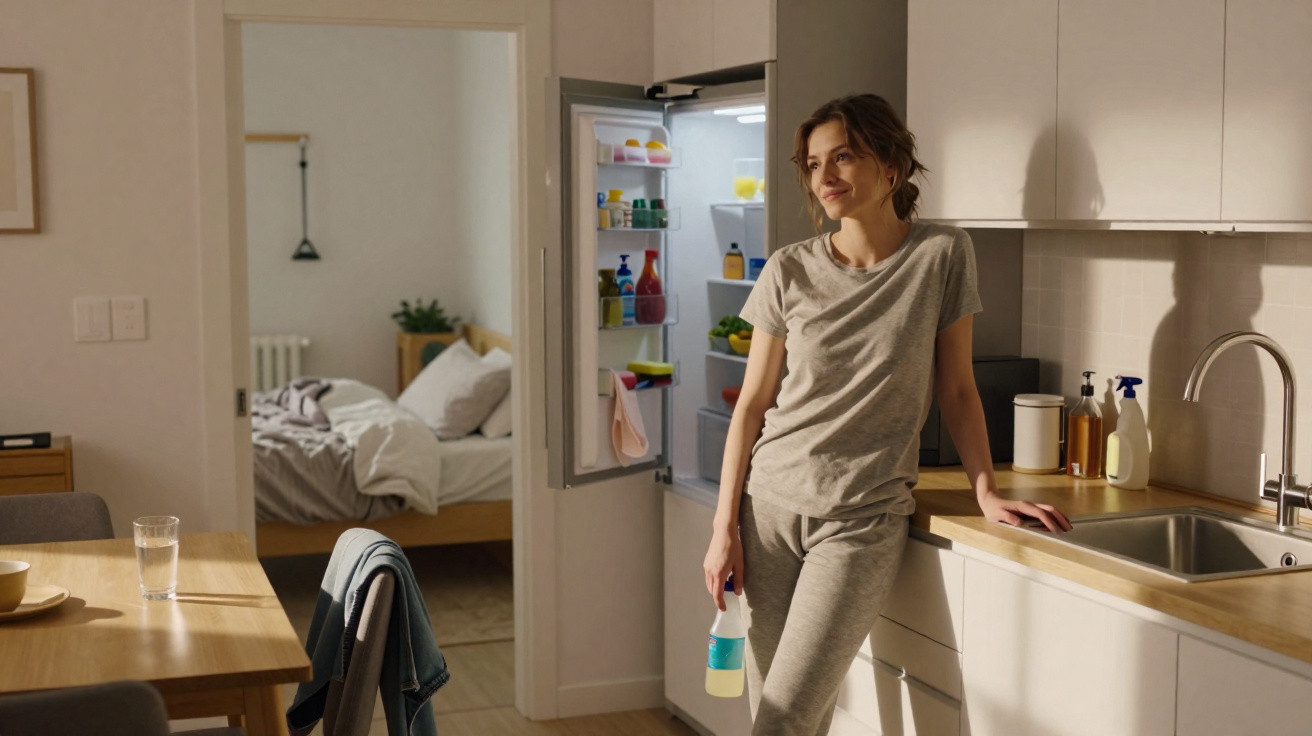
You can usually spot when somebody has had “a bit of a moment” with the cleaning.
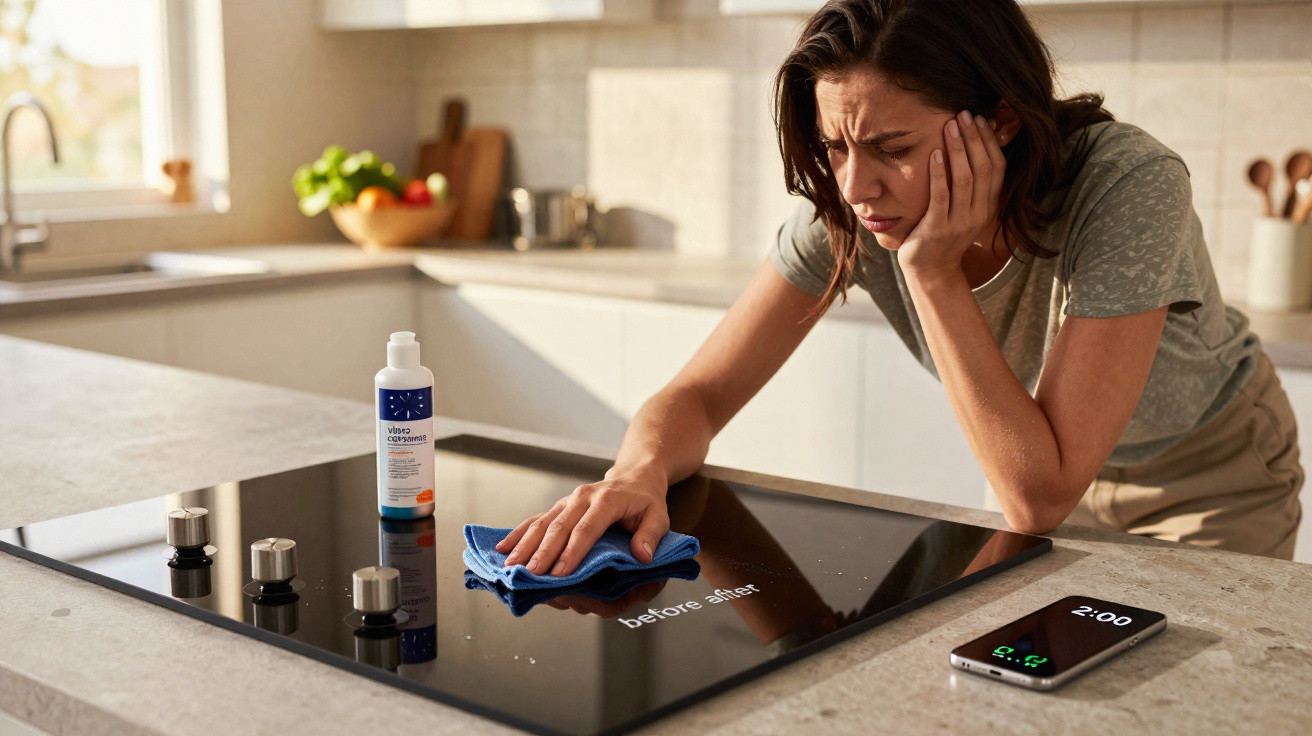
There is a lemony haze hanging in the hall. The washing machine is whirring loudly. They have that faraway expression while they scour the already immaculate hob for the third time. Many of us grew up believing that being a decent person, or a responsible grown-up, meant having a home that carried a light scent of bleach and guilt.
We trade recommendations for wonder sprays and clever folding tricks, while saying little about the anxiety quietly building underneath. It is the feeling that life might become less chaotic if we clean a little more or scrub a little harder. The amusing part is that many of us clean the wrong things, clean them too regularly, and can occasionally make matters worse. Certain things are best left untouched. Others actually benefit from a little dirt. Once that sinks in, cleaning feels less like a war and more like a compromise.
1. Your Bedsheets (yes, really)
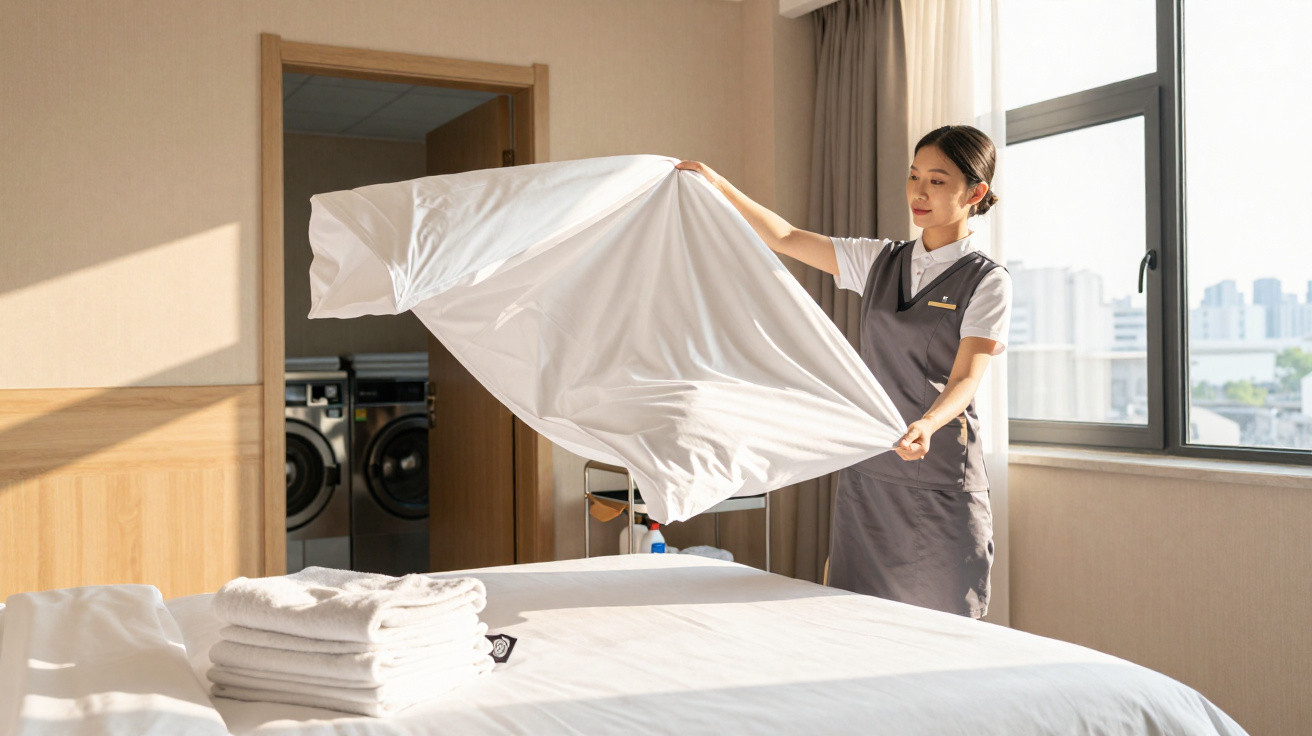
Everyone knows the feeling of changing the bed at 10pm, battling a duvet cover as though it were a wild creature, and wondering, “Didn’t I literally just do this?” Washing sheets weekly has turned into a sort of moral benchmark, as if doing it less often makes you a swamp-dweller. For most healthy adults who shower regularly, fortnightly washing is perfectly adequate, while every ten days may be more achievable for others than obeying a strict calendar.
Hygiene and performance are not the same thing. Clean sheets do not have to smell like a candle shop. Repeated high-temperature washing can weaken fibres, fade the colour, and produce that thin, bobbly material that feels like bedding in a hotel that has seen things. If you perspire heavily or have allergies, wash pillowcases more often rather than stripping the whole bed every few days.
What to do instead
Put a reminder in your diary to wash sheets every 10–14 days, and keep the bed fresh with simple, low-effort habits. Air the duvet each morning by pulling the covers back for half an hour, allowing heat and moisture to escape. That small daily break does more to maintain freshness than frantic washing every Sunday evening.
2. Your Hair (and the poor scalp under it)
Our fixation with squeaky-clean hair has much to answer for. Washing every day removes the scalp’s natural oils, encourages it to produce more, and traps you in an odd cycle where more washing seems to make hair greasier. You then reach for extra products to conceal the damage, creating build-up and... you can see the pattern.
Most hair is happier being washed two or three times a week rather than seven. Reducing wash days can feel uncomfortable at first, as if you are wearing a neon sign that reads “unwashed human”. That feeling passes. Your scalp adapts, your hair settles, and you reclaim hours formerly spent fighting with a hairdryer.
What to do instead
Slowly extend the time between washes by adding one extra day each week. Use dry shampoo lightly, treating it as a transitional aid rather than a permanent answer. Hair is not meant to smell like fruit salad at all times; it is simply meant to be hair. Some natural oil is biology, not an emergency.
3. The Bathroom Tiles (with industrial strength everything)
Bathroom grout seems to trigger a deep and faintly unhinged impulse in some people. One slight mark appears, and suddenly you are kneeling with a toothbrush and bleach, eyes watering and forehead sweaty. Yet fiercely scrubbing tiles every few days can harm the sealant, take the shine off the finish, and still fail to create the pristine magazine image you are pursuing.
Shower steam loosens dirt, but it also encourages mould when ventilation is poor. The real answer is not endless chemical warfare but dry, well-aired surfaces. A quick wipe with a towel and an open window work better than twice-weekly bleach sessions that make the room smell like a public swimming pool changing area.
What to do instead
Prioritise prevention rather than punishment. After the day’s final shower, use a squeegee on tiles and glass screens, open the window or switch on the extractor fan, then carry out a thorough clean every week or two. Whenever you want to become a forensic grout-cleaner, remember that this is your home, not a set for a new-build brochure.
4. Wooden Furniture
Dust on a wooden table brings a particular sort of guilt, as though you have disappointed generations of grandparents. That is how people start over-polishing: spraying every surface weekly with powerful products promising “deep shine”, then unknowingly creating a tacky layer of residue. Dust cannot be avoided; it is not evidence of a moral failing.
Genuine wood does not require such intense attention. Excess product draws in more dust and may harm waxed or oiled finishes. A soft cloth that is only slightly damp is much more useful than cupboards full of concoctions sprayed every other day while you wonder why everything looks streaky in afternoon sunlight.
What to do instead
Use a microfibre cloth to dust roughly once a week, and leave the polish alone most of the time. Apply a good-quality wood conditioner only a few times annually, almost as though you are feeding the furniture. Allow timber to age, collect a few marks and reflect some of your life. Immaculately glossy surfaces belong in showrooms, not homes.
5. Your Jeans
Honestly, despite what clothing labels may say, hardly anybody washes jeans after each wear. Some people still feel bad about this, as if they have secretly failed Laundry School. Denim is made to be broken in and softened by everyday life, not sent through hot weekly washes until it surrenders and becomes a faded, limp shadow of itself.
Too-frequent washing ruins denim’s fit, colour and that reassuring “these are my jeans” comfort. Most pairs can easily be worn four to six times, and often longer, unless something particularly dramatic happens to them. The less anxious you are about it, the better they fit and the longer they remain wearable.
What to do instead
Treat stains locally, hang jeans up between wears, and air them near an open window. Once they truly need laundering, turn them inside out and select a cool wash with gentle detergent. This is not laziness; it is a way to extend the life of your clothes.
6. Your Face
The skincare industry is very keen on elaborate routines: double cleansing, exfoliating, toning, scrubbing, masking and repeating. As a result, many people wash their faces too much, disrupt the skin barrier, and then wonder why their skin feels tight, itchy, or somehow shiny and flaky simultaneously.
For most skin types, one gentle cleanse in the evening, followed by a straightforward splash of water in the morning, is sufficient. You do not need foaming products three times daily unless you train like a professional athlete or work down a coal mine. Your skin benefits from some of its own oil; it is not attempting to undermine you.
What to do instead
Replace abrasive scrubs and repeated washes with one mild evening cleanser and a moisturiser that does not smell like pudding. Limit exfoliating products to once or twice weekly at most. Your face is not a kitchen floor, so it does not need to be “stripped” or “deep cleaned”.
7. The Oven
Oven cleaning inspires a very particular dread: the odour, the uncomfortable crouching, and the sticky burnt-on remorse from the lasagne you insisted would not bubble over. Some people react by scrubbing and spraying after every roast, which is admirable but somewhat unnecessary.
Ovens are supposed to become messy. A light coating of baked-on splashes will not wreck your supper or your life. Frequent use of strong cleaning products, particularly on self-cleaning finishes, can cause more damage than a little harmless staining on the interior walls.
What to do instead
Clean up obvious spillages after the oven has cooled, then plan a thorough clean every few months, or when smoke appears more often than you would like to confess. Use baking paper to line trays and choose a deeper roasting tin for foods likely to splatter. You are making dinner, not shooting an advert for shiny, unused appliances.
8. Towels
Damp towels left on the floor are an entirely separate problem. But laundering bath towels after every use is a quick route to a mountainous washing pile and a cupboard full of rough, worn-thin fabric. A towel that dries properly after use does not become a biological hazard overnight.
Most people can use one towel three or four times when it is hung up and aired. Constant hot washing punishes the fibres and often does not make towels any “cleaner” than sensibly timed washes. Dampness is the real problem, not repeated contact with your newly washed body.
What to do instead
Spread towels fully across a rail or door rather than leaving them bunched over a hook. Wash them weekly on a warm cycle, with an occasional hotter wash if somebody has been ill. A musty smell is your signal to wash one, rather than some inflexible regulation from laundry law.
9. The Fridge
The fantasy of a spotless, Instagram-ready fridge has surprising power: each jar perfectly aligned, no smears anywhere, and vegetables seemingly arranged for a photograph. Real life tends to involve a partly spilt yoghurt pot and an unexplained sticky ring left by a ketchup bottle. Some people respond with a weekly full clear-out and disinfection, which may sound virtuous but is generally exhausting.
Regular deep cleans turn the fridge into a dreaded major project rather than a small, manageable job. What is actually needed is a quick routine check for spills and out-of-date food, not an elaborate Sunday-night purge when you would rather sit on the sofa.
What to do instead
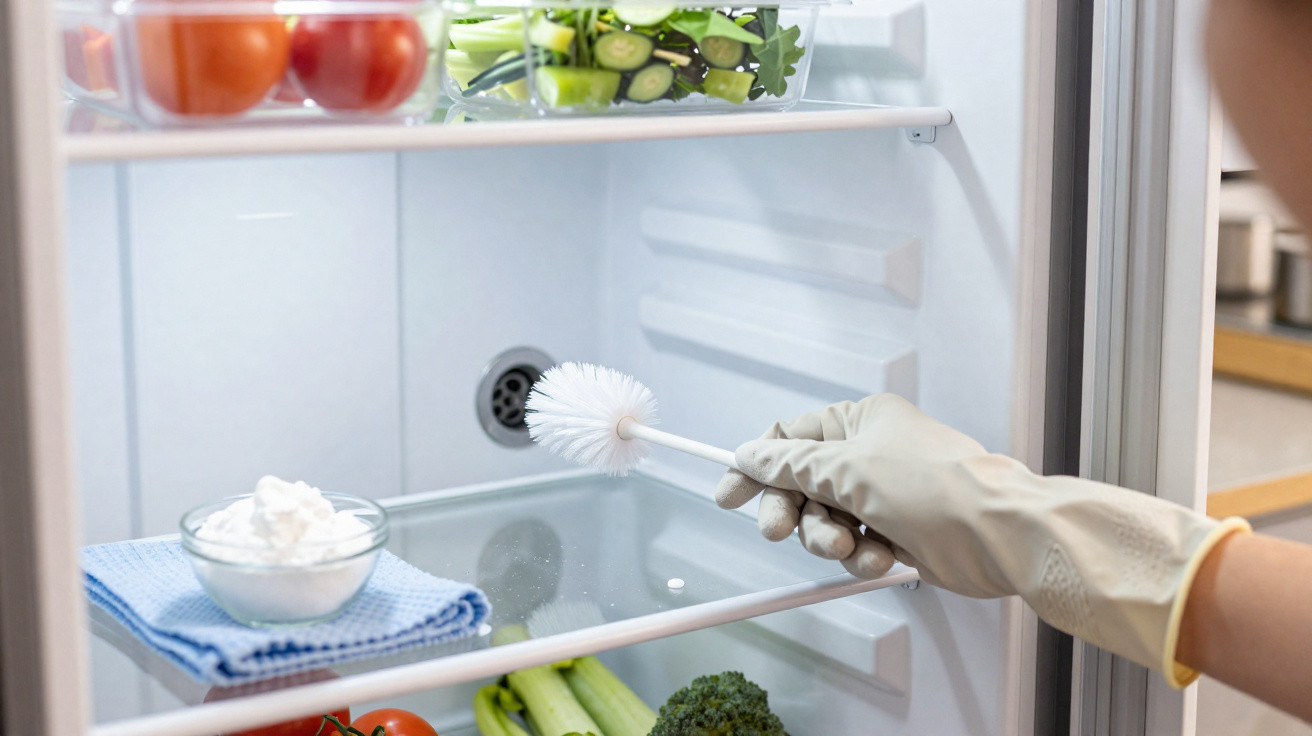
Before doing the food shop, spend 5 minutes on a “fridge edit”: throw away anything off, use a mild cleaner on clear spillages, and bring older items to the front. Keep the major shelf-by-shelf clean for every few months, or for when there has been a genuine incident. A fridge that looks lived in is fine; it is not a museum exhibit.
10. Cutting Boards
Chopping boards, particularly wooden ones, provoke a special kind of paranoia. Some people scour them with very hot water and detergent after cutting one tomato, then fret that they are still “contaminated”. In reality, wooden boards naturally have antibacterial properties and do not require harsh cleaning after every light task.
Repeated strong washing and soaking damage wood, causing it to crack, which is much worse from a hygiene perspective. You need a board that is clean, not warped. The level of cleaning should reflect what was cut on it, not a broad fear of germs.
What to do instead
After preparing bread, fruit or vegetables, rinse the board with warm water and wipe it dry. Following raw meat or fish, wash it with hot, soapy water and stand it upright to dry and breathe. From time to time, cover it with salt, scrub it with half a lemon, and oil it so it does not dry out. It is simple, calm and effective.
11. The Car Interior
There is an odd pressure to make a car look as though it belongs in a showroom, rather than to someone who occasionally drinks coffee at red lights. Some people vacuum and wipe the interior every few days, hunting down each crumb and footprint on the mats. Before long, it feels as though the car owns you, rather than the reverse.
Cars are places where life happens while travelling. They gather dust, leaves and the occasional crisp. That does not make you a mess; it means the vehicle is being used. Excessive cleaning with harsh chemicals can even harm upholstery, particularly leather.
What to do instead
Schedule a “car reset” about every fortnight: remove rubbish, shake out the mats, vacuum quickly and wipe the dashboard. Store gentle wipes in the glovebox for real spillages. A vehicle that looks used but looked after is far more realistic than one you are nervous to sit in.
12. The Washing Machine
There is a mildly surreal point when it occurs to you that you are cleaning the machine that cleans your clothes. Musty odours alarm some people, leading them to run hot empty cycles every few days with assorted tablets and potions. That consumes a great deal of water, energy and time for something that usually needs much less frequent attention.
Most odour and slime result from keeping the door shut all the time and forgetting wet laundry. You can prevent a large part of the problem without treating the appliance like a demanding pet. The aim is prevention, rather than continual “maintenance washes” fuelled by vague anxiety.
What to do instead
Between washes, keep the door and detergent drawer slightly ajar, allowing the drum to dry and air. Run an empty hot cycle using cleaner or white vinegar about once a month, rather than twice weekly. Clean the rubber seal when you notice grime, not because a fixed timetable tells you to.
13. Curtains
Curtain washing is one of those huge, irritating jobs that people either tackle obsessively or avoid completely. You take them down, unhook them, hope they survive the wash, and then iron them for what feels like six years. Doing all this every few months is not proof of cleanliness; it is simply self-punishment.
Most curtains accumulate dust slowly. Unless they hang in a kitchen and absorb every cooking smell, or someone in the home smokes heavily, they do not need constant laundering. Frequent hot washing eventually damages the fabric and fades its colour, making curtains look worn even after ironing.
What to do instead
Shake curtains out properly when opening windows and occasionally vacuum them with a soft-brush attachment. Save washing for once yearly, or for visible marks or odours. A bright day and open windows can often do more for freshness than another spin cycle.
14. Kids’ Toys
Few things heighten parental anxiety like sticky toys on the floor: little hands, random dribble, or that occasion when one disappeared beneath the sofa for an unknown number of days. It is easy, particularly with baby items, to start constantly disinfecting, soaking and spraying until the whole house has a faint steriliser smell.
Ordinary dirt will not harm a child unless someone has been ill. Over-sanitising every object can even make play feel clinical, like a hospital waiting room with nicer colours. The target is sufficiently clean, not laboratory standards.
What to do instead
Clean hard toys with warm, soapy water every week or so, as well as after obvious contamination. Soft toys can go through the wash every few months, or when they begin smelling more “petting zoo” than “bedtime friend”. Concentrate on objects that are frequently mouthed, and allow everything else simply to be played with.
15. The Kitchen Sink
The sink quietly hosts so much of everyday life: coffee cups clinking, plates crashing together and warm running water late at night. Some people bleach it after every use because they believe it is a teeming pit of germs. The metal then loses its shine, chemical smells linger, and the whole area feels more severe than necessary.
A sink does require routine cleaning, but not a comprehensive chemical attack ten times a day. Food remnants in the plughole cause more trouble than a few water marks around the bowl. A handful of sensible habits keeps it presentable without making you its full-time carer.
What to do instead
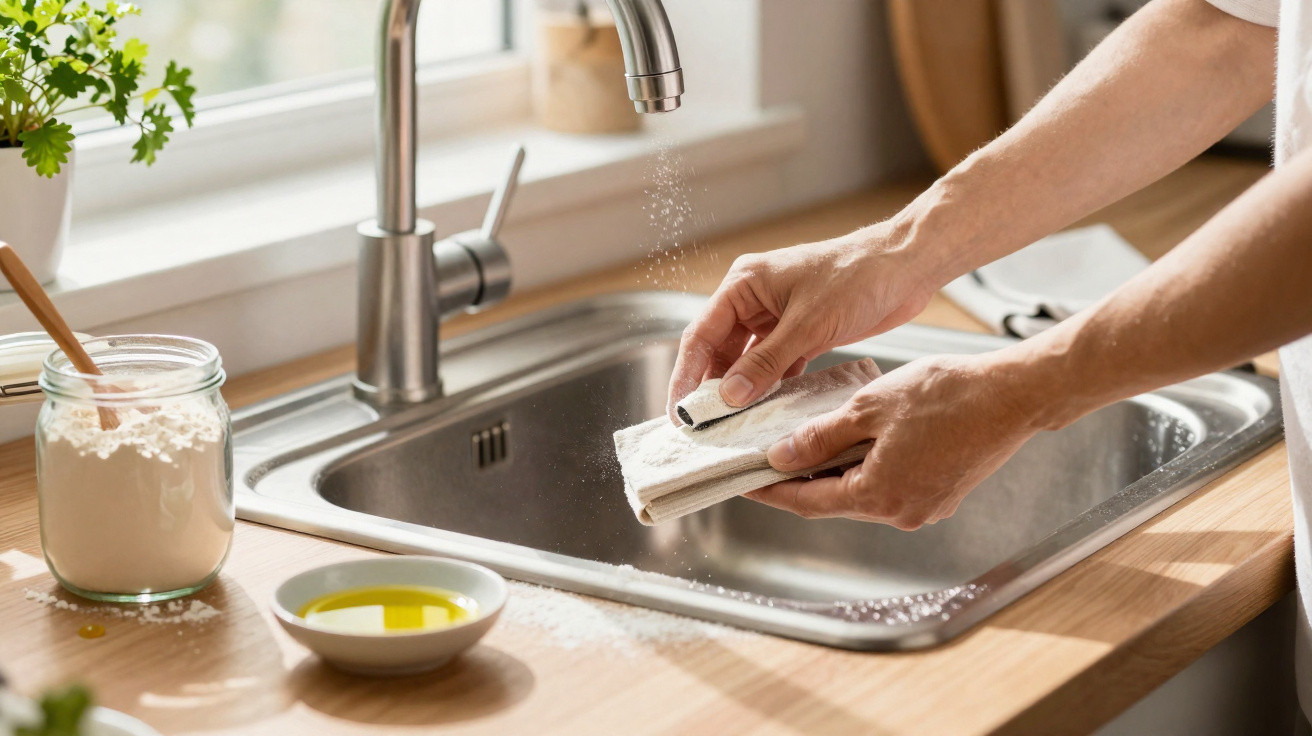
Rinse food particles away immediately after washing up, then give the bowl a brief daily wipe with washing-up liquid and a sponge. Once a week, scatter bicarbonate of soda, add a splash of vinegar, let it fizz, and rinse the drain with hot water. A calm minute at the end of the day is better than endlessly pursuing “perfect” shine.
There is a real sense of relief in recognising that doing less can still mean being “clean enough”. A home with some dust, a beloved unwashed pair of jeans on a chair, and a fridge reflecting real meals is not a failure. It is life happening in real time, rather than a scene arranged for a photograph. Once you stop over-cleaning everything, you may be surprised by what else you finally have time - and mental space - to notice.
Comments
No comments yet. Be the first to comment!
Leave a Comment