
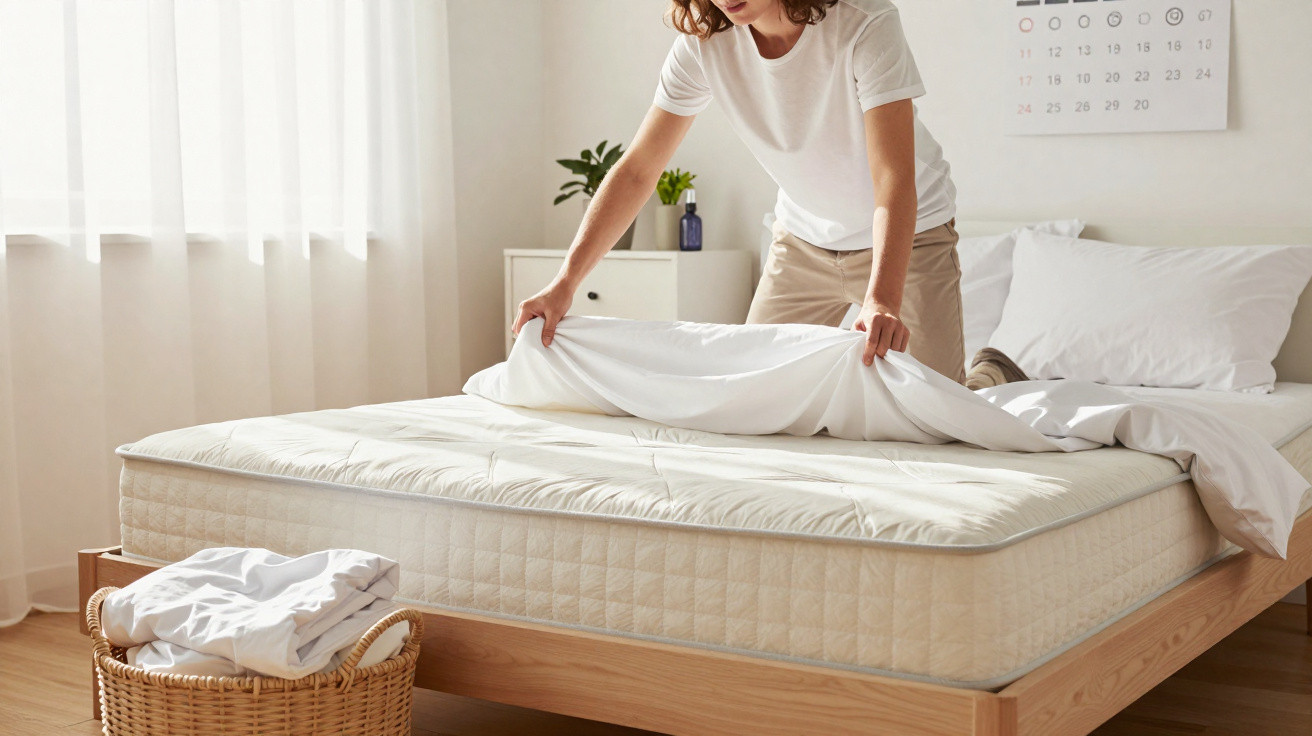
Proper care of the sleeping environment has a direct effect on everyday wellbeing and health. Creating consistent cleaning habits helps prevent serious respiratory complications, ensuring that your overnight refuge remains a genuinely relaxing space and an essential layer of protection for the whole family.
Why is a weekly frequency so important?
The unseen build-up of body residue and dust makes sheets a favourable environment for harmful micro-organisms. Replacing bedding every seven days removes these invisible threats, supporting healthy rest without common allergens.
Homes with pets, or those in hot climates, require even greater attention to cleaning. Excessive perspiration and pet hair speed up the spread of allergens, making a regular hygiene routine vital for preventing discomfort and maintaining the bedroom's indoor hygiene.
What is the maximum recommended time before changing sheets?
Many people keep using their bedding for longer without recognising the serious risks, but the recommended limit for human health… Read more
What dangers are hidden in dirty fabric?
Dust mites and bacteria use dead skin cells as an ideal food source, allowing them to multiply quickly. This invisible situation can cause serious allergy and respiratory problems for household members, worsening asthma and rhinitis through contact with contaminated pillowcases overnight.
Extended neglect can also affect the condition of the fibres and mattress, allowing dirt to build up and become harder to remove later. Following a fixed schedule prevents bedding from wearing out prematurely, protecting your financial investment and ensuring consistently superior-quality sleep.
Below is a video from the Jornalismo Novabrasil YouTube channel that explores the points discussed in this topic in greater depth:
How can you organise the routine without complications?
Making the weekend the official time to replace bedding makes this household task easier to remember. Turning it into an automatic habit prevents the frequent delays caused by everyday tiredness, keeping the bedroom tidy and filled with a pleasant, lasting clean scent.
Keeping spare sets in the cupboard streamlines the washing process, so the bed can be remade as soon as the used items are removed. This sensible practice reduces the stress of household organisation, providing a fresh setting that is ready to deliver the necessary physical renewal.
Bedroom Care
Essential Steps
Essential elements for weekly cleaning:
- Change sheets and pillowcases every seven days;
- Wash with hot water to eliminate bacteria;
- Dry items completely before storing them.
How can you keep the bed fresh for longer?
Opening the windows each day as soon as you get up helps disperse moisture collected during the previous night. Letting fresh air circulate prevents dust mites from finding the warm conditions they need to breed, keeping fabrics looking pleasantly like a clean bed.
Using waterproof protectors creates an effective barrier against perspiration and the natural shedding of human skin. These accessories extend the lifespan of the mattress foam, make overall cleaning easier and provide added protection to keep your health protected with ease.
A few additional practical measures can further strengthen the sense of cleanliness and wellbeing in the bedroom:
- Avoid getting into bed wearing clothes that have been worn outdoors;
- Do not allow pets onto the bed after walks;
- Shake out pillows every morning.
What is the direct effect on sleep quality?
Sleeping in a clean environment significantly reduces sensory triggers that cause brief awakenings throughout the night. The freshness of clean fabrics soothes the nervous system, helping the body enter deep stages of relaxation for complete and effective mental recovery.
Spending a few minutes on weekly maintenance turns the bedroom into a sanctuary for restorative rest. Removing built-up impurities improves breathing at night, ensuring that you wake up with renewed energy and full vitality to face the challenges of the following daytime period.



Comments
No comments yet. Be the first to comment!
Leave a Comment