

You return home after a few days away, put down your keys, and the smell hits you before you have even taken off your coat. It is not exactly unpleasant: more a blend of laundry that dried too slowly, a shut cupboard and stale air. No matter how much you clean, light a candle or spray an air freshener, it returns. Every time. It is a familiar discomfort, almost embarrassing when someone calls unexpectedly. Most frustratingly, a home can look spotless while retaining that musty smell, clinging to curtains, the sofa and sometimes even clothes. The source is rarely where you expect it to be.
A musty smell does not necessarily mean poor cleaning
We all know the moment: throwing open the windows five minutes before guests arrive and hoping it will do the trick. Yet a musty smell is not simply caused by dust or a forgotten bin. It often reveals what is quietly happening in the air throughout the home all day long. A room that is not ventilated enough retains moisture from showers, cooking, laundry and even breathing. Eventually, this moisture-laden air soaks into fabrics, walls and the corners nobody thinks to inspect.
In a flat shared by two people, several litres of water vapour can enter the air every day through cooking, bathrooms and drying laundry. It may sound like a huge amount, but morning condensation on windows or a mirror that stays steamed up long after a shower makes it easier to understand. One reader said she had washed her sofa covers three times in two months, with no improvement. The turning point came when she moved the furniture away from the wall and spotted a faint dark mark beginning to form behind it.
Mustiness thrives wherever air cannot circulate: behind a wardrobe pushed against a cold wall, at the back of an overfilled cupboard, beneath a thick rug or in a bedroom with a permanently closed door. Moisture lingers there, sometimes feeding invisible micro-organisms that create that slightly earthy scent. It is not always dramatic mould with black patches. More often, the issue starts long before that stage. A home can smell damp while appearing completely dry.
The very simple step that genuinely improves a home’s air
The most effective habit takes ten minutes: create a proper through-draught every day by opening two windows at opposite ends of the home. There is no need to leave everything open for an hour in the depths of winter; a quick air change removes heavy air without thoroughly chilling walls and furniture. Leaving one window slightly open may feel fresh, but it does a less effective job of replacing the air. The aim is straightforward: get moisture outside rather than shifting it from one room to another.
The ideal time is often after a shower, after cooking or first thing in the morning, when indoor air feels at its heaviest. If you dry laundry indoors, leaving the window slightly open in that room and shutting its door can also prevent the entire home from taking on a damp-towel smell. Let us be honest: hardly anyone manages this every day with military discipline. The trick is to link it to something you already do, such as making coffee or taking out the rubbish.
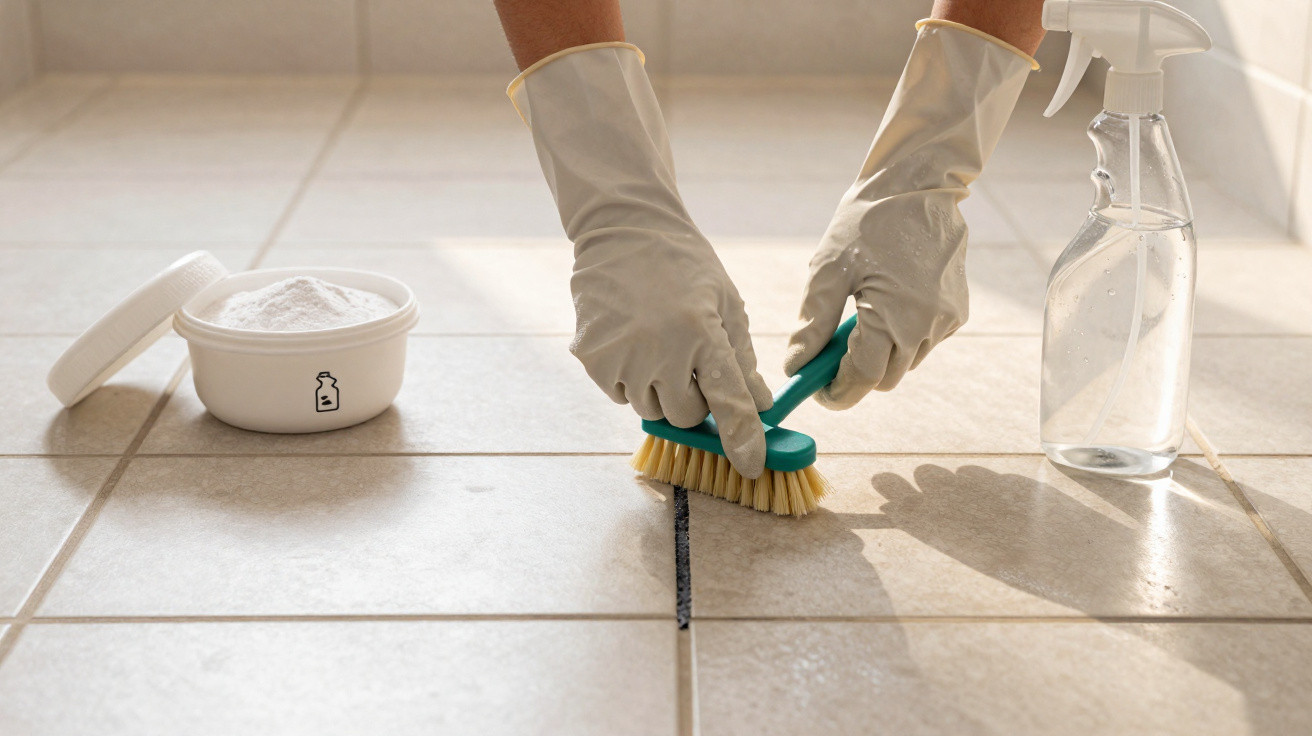
Air fresheners conceal the issue for a few minutes, while vinegar, bicarbonate of soda and home fragrances can never replace fresh air. Cross-ventilation remains the most worthwhile small habit, provided nothing is stopping air moving through vulnerable areas.
“If the smell comes back as soon as the windows are closed, you need to look for a source of moisture or somewhere air is stagnating, rather than adding fragrance.”
- Move large furniture 5 to 10 centimetres away from external walls.
- Leave cupboard doors open for an hour after cleaning or doing laundry.
- Clean mechanical ventilation vents, and never block them, even if they seem to let cold air in.
- Avoid drying clothes in a closed bedroom, especially overnight.
When mustiness points to a deeper issue
If the smell remains despite daily airing, it is time to do a little detective work without panicking. Start with household textiles: tea towels, bath mats, curtains, cushions and throws absorb everything. A bath mat washed at a low temperature and then dried too slowly can affect the atmosphere of an entire small bathroom. Also consider seldom-used traps, especially in a guest bathroom or utility room: regularly pouring in a little water can sometimes eliminate a surprising smell.
Then check for subtler warning signs: bubbling paint, peeling wallpaper, blackened window seals, recurring condensation, a cold skirting board or a wall that feels slightly damp. Indoor humidity of around 40 to 60% is generally comfortable; above that level, the risk of condensation and mould rises. A small hygrometer is inexpensive and means you do not have to rely solely on your nose, which quickly becomes accustomed to the smells in its own home.
A persistent smell in a cellar, bedroom or close to an external wall may indicate a leak, water ingress or faulty ventilation. In that situation, a daily through-draught is still worthwhile, but it will not remove the underlying cause. Real comfort is air you do not notice. If patches are spreading, or if anyone coughs, sneezes or experiences irritated eyes at home, seeking professional advice is a sensible precaution.
What seems almost ordinary - opening two windows for ten minutes - also changes how we think about the home. Instead of fighting a smell with products, we simply allow the house to breathe again. Many people then realise their interior did not need more fragrance, but less heavy air. Which room in your home has that faint, persistent smell you eventually stop noticing?
| Key point | Detail | Benefit for the reader |
|---|---|---|
| Create a through-draught | Open two opposite windows for around ten minutes, ideally in the morning or after an activity that produces moisture. | Properly refreshes indoor air and removes some moisture without leaving the home to cool for hours. |
| Identify hidden areas | Check behind furniture, inside cupboards, beneath rugs, around curtains and seals, and on walls exposed to the cold. | Helps reveal trapped moisture before it turns into a visible mark or an established smell. |
| Do not mask the warning sign | Limit fragranced sprays and deal with damp laundry, traps, mechanical ventilation or possible water ingress. | Prevents money being spent on short-term fixes and helps restore a healthier home that is simply more pleasant to live in. |




Comments
No comments yet. Be the first to comment!
Leave a Comment