

Fresh from the bath or shower, you feel clean and protected. It is easy to assume that the towel can stay hanging up for another few days. Yet this familiar habit may cause problems: experts warn that bacteria and fungi can quickly colonise seemingly fresh towels – well before they develop a musty smell.
Why towels become ‘dirty’ sooner than you think
A towel does more than dry off water. Each time you rub yourself dry, it collects:
- dead skin cells
- body oils and traces of sweat
- residues of shower gel, shampoo, cream or make-up
This leaves a combination of moisture and organic matter trapped in the fibres – ideal conditions for microorganisms. The process speeds up considerably in a warm, damp bathroom, especially where ventilation is poor.
“A microbial cocktail of moisture, skin cells and body oils turns towels into genuine bacteria magnets in a short time.”
New York microbiologist Philip Tierno points out that a significant amount of bacteria can settle on a towel after just two to three uses. Leaving it for several more days can then increase the risk of skin problems.
How dirty towels can harm your skin
Most germs found on towels originate from your own body and are harmless at first. The issue arises when they multiply extensively or enter small breaks in the skin. This can lead to:
- skin irritation and redness
- inflamed spots and blemishes, particularly on the face, back and chest
- staphylococcal (staph) infections, especially where the skin barrier is weakened
People with acne, atopic dermatitis, eczema or allergies are often more sensitive. Anyone who regularly uses inhalation devices or sprays near their face also introduces additional germs to the area around the skin and mucous membranes – making clean hand towels and face towels particularly important.
How often towels really need washing
The common practice of washing towels “once a week” is considerably too infrequent in experts’ view. Hygiene specialists recommend a clear schedule based on the type of towel.
| Towel type | Recommended washing frequency |
|---|---|
| Bath towels / shower towels | after no more than 3–4 uses |
| Hand towels by the basin | every 1–2 days |
| Sports and sauna towels | after every use |
| Face towels / flannels | daily |
“For standard bath towels, the rule is this: if you shower every day, wash them every two to three days – not only after one or even two weeks.”
These timings are guidelines. In warm, humid homes, with inadequate ventilation or where several people share a bathroom, an even shorter washing interval is worthwhile. Households with young children, older people or anyone with a weakened immune system are also better off washing towels more frequently.
Bath towels are not all the same: when to wash them more often
Certain circumstances call for greater attention than the standard routine:
- High humidity in the bathroom: Towels dry poorly and remain damp for a long time – the perfect environment for germs.
- Sport, the gym or the swimming pool: Contact with equipment, floors and benches transfers other people’s bacteria and fungi to the towel.
- Open areas, shaving cuts or grazes: Tiny skin injuries raise the risk of infection, so it is better to use a fresh towel every time.
- Illnesses in the household: During colds, stomach bugs or fungal skin infections, family members should never share towels.
How to care for towels properly – beyond the washing machine
Proper drying does half the job
Allowing towels to dry properly substantially slows germ growth. Ideally, towels should be hung:
- spread out on a hook or rail rather than scrunched up
- with space between them so air can circulate
- in a room that is as dry as possible, preferably outside the bathroom
After showering, ventilate the bathroom thoroughly or leave the extractor fan running for longer. A towel that stays damp should be moved to a dry place as soon as possible.
The right temperature for washing towels
For thorough cleaning, hygiene experts advise washing at around 60°C. At this temperature, germ levels are noticeably reduced. If you wash at high temperatures less often for environmental reasons, bear the following in mind:
- do not overfill the washing machine, so that sufficient water can circulate
- use a biological detergent containing bleach, which disinfects more effectively
- make use of sunlight when drying outdoors – UV light has a mild germ-reducing effect
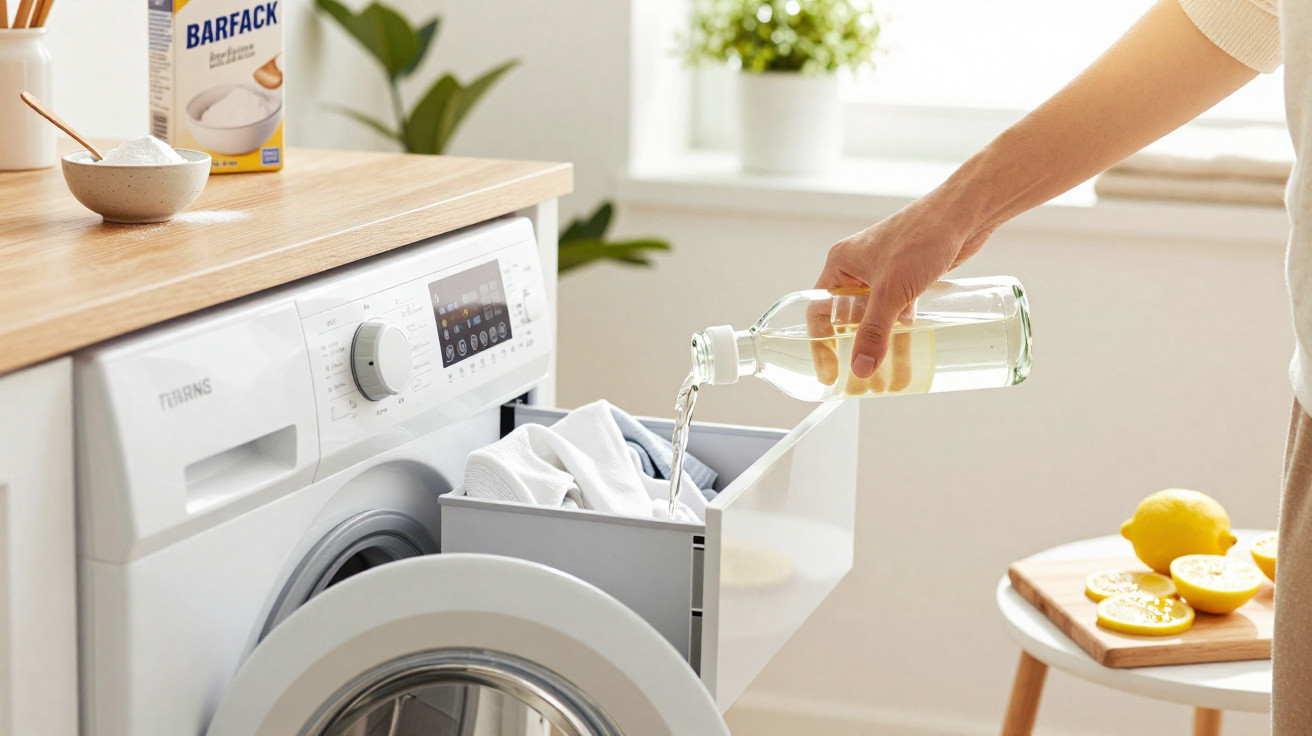
Fabric conditioner may make fibres feel soft, but it coats the material like a film and can reduce absorbency. For this reason, many laundry experts use it sparingly or occasionally replace it with a splash of white vinegar in the fabric-conditioner compartment. This can reduce limescale deposits in the fibres.
When towels have reached the end of their life
Even well-maintained towels do not last indefinitely. Over time, they become less absorbent, fibres break down and it becomes harder to get them properly clean. As a rough guide:
- inspect them critically after roughly two years of regular use
- discard towels that are severely thinned, matted or permanently musty
- repurpose old towels as cleaning cloths rather than using them for personal care
How a clean towel can improve your skin’s appearance
Towels can have a particularly major effect on the face. Anyone who has been dealing with blemishes for months will usually focus on cosmetics, cleansing gel and diet – while the face towel is easily overlooked.
Using a fresh towel each day, or disposable towels for the face, can:
- reduce spots and blackheads, especially in oily skin
- ease irritation after shaving or exfoliation
- somewhat limit inflammation when acne is already present
The same applies to towels used after exercise. If you shower straight after a workout and dry yourself with a germ-laden gym towel, you may spread bacteria and fungal spores over skin that is still warm and well supplied with blood – an ideal scenario for skin problems.
How to create a practical everyday towel system
To ensure the recommended washing intervals do not turn into household chaos, it helps to establish a simple system:
- Keep at least three to four bath towels per person – one in use and the others clean in reserve.
- Separate face towels from body towels by colour so that they are not mixed up.
- Clearly allocate hooks or holders, for example using names or symbols, so nobody accidentally uses someone else’s towel.
- Plan a regular ‘towel washing day’, such as every two or three days, which can also include bed linen or sportswear.
If you already do laundry regularly, towels can usually be incorporated into your existing washing routines without difficulty. The main extra effort is in planning, rather than running additional machine loads.
What studies show about bacteria on towels
Laboratory measurements and studies of household hygiene repeatedly produce similar findings: bacterial numbers on damp textiles can sometimes double within a short period. A study published in the specialist journal “Journal of Clinical Microbiology” found that the number of germs on a wet towel can increase significantly in around 20 minutes.
In everyday life, this does not mean every towel immediately becomes a health risk. It does, however, demonstrate how dynamically microorganisms operate – and how much a damp towel supports them. Limiting how long towels are used, ensuring they dry quickly and washing them at an appropriate temperature removes much of the basis they need to survive.
Ultimately, a fresh towel belongs to personal care just as much as soap or shampoo. By changing towels more deliberately and more often, you create a clean foundation for skin, mucous membranes and wellbeing – without much effort, but with a noticeable day-to-day effect.



Comments
No comments yet. Be the first to comment!
Leave a Comment