
If you wear trainers, business shoes or sneakers with permanently bonded footbeds, you will know the issue: the shoe looks excellent on the outside, but inside it smells like a changing room. Using the right method, you can thoroughly clean fixed insoles, reduce bacteria and save the shoe without damaging the adhesive, cushioning or shape.
Why fixed insoles are particularly challenging
With removable insoles, the process is straightforward: take them out, wash them, dry them, and you are done. Fixed insoles, however, are sewn or glued directly to the midsole. Pulling on them can easily damage the shoe’s entire construction.
There is another complication: the footbed sits deep inside the shoe. Water, foam and cleaning products are difficult to apply there, while moisture takes considerably longer to dry. This combination of sweat, bacteria and lingering damp causes persistent odours and can make the material brittle over time.
“Fixed insoles always need two things at once: as little water as possible and as much hygiene as necessary.”
What materials are used in fixed insoles?
Depending on the shoe model, a range of different layers may sit beneath your feet:
- Foam or memory foam for soft cushioning
- Gel components in sports shoes for extra bounce
- Textile or mesh coverings, often designed to wick away moisture
- Leather surfaces in smarter shoes
- In some cases, antibacterial or odour-resistant coatings
Harsh cleaning agents and excessive water can damage these structures, loosen adhesives or cause foam to crumble. The rule is therefore to work gently, locally and in a controlled manner.
Deep-cleaning fixed insoles: step by step
Before using any wet-cleaning method, first remove all loose debris from the shoe. The less dirt is present, the more effectively your cleaner can work.
1. Remove dry dirt
- Tap the shoes together to dislodge sand and dust.
- Brush the footbed with a soft brush or wipe it with a dry cloth.
- Take particular care around the toe box and along the edges.
This prevents you from spreading dirt around instead of removing it during wet cleaning.
2. Clean gently with a soap solution
In a bowl, combine warm water with a small amount of mild washing-up liquid or a specialist shoe cleaner. Use very little product: the solution should remain clear rather than foam up like a bubble bath.
- Dip a microfibre cloth or soft sponge into the solution.
- Wring it out thoroughly so it is damp rather than dripping wet.
- Wipe the insole using small circular movements.
- Focus specifically on heavily soiled or discoloured areas.
- Use a second, lightly dampened cloth to remove any soap residue.
- Finally, blot away moisture with kitchen roll or a clean towel.
“The less liquid you use, the lower the risk of loosened adhesive and musty residual damp.”
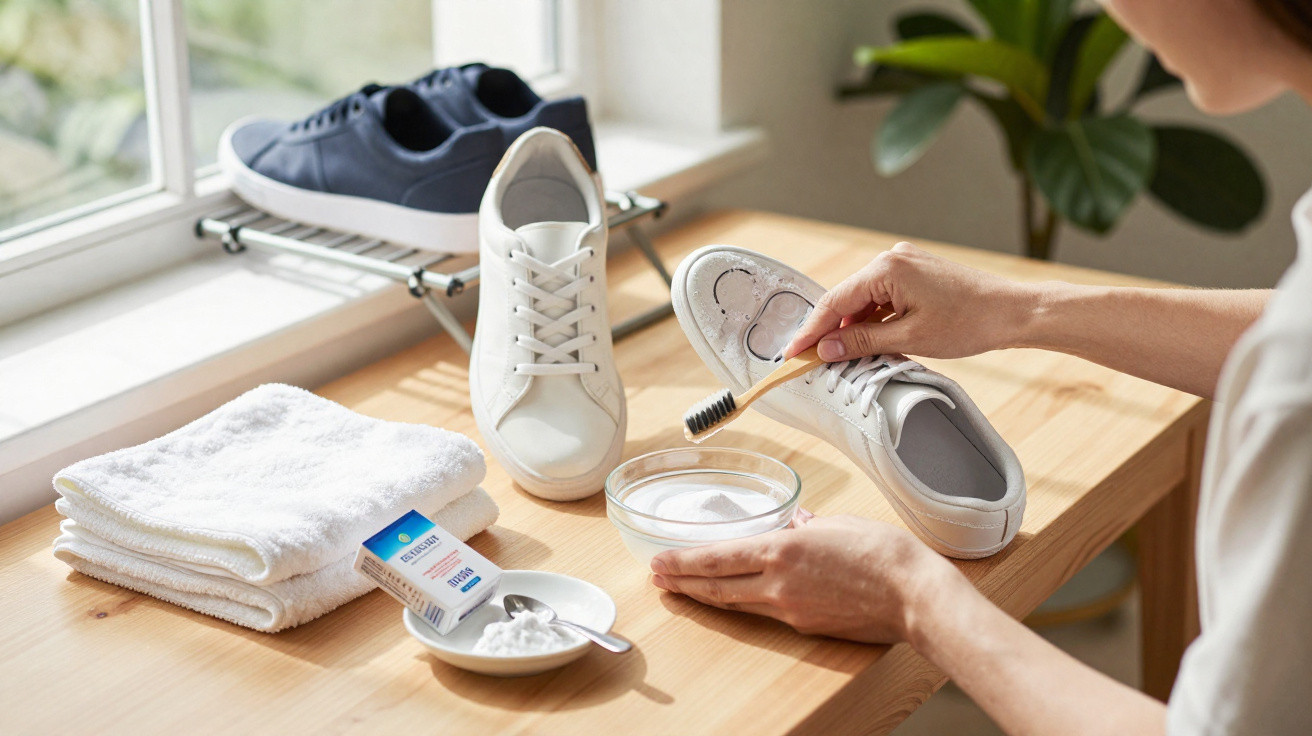
3. Household remedy for strong odours: bicarbonate of soda and more
When the shoe already has a noticeable smell or dark sweat marks have formed, soapy water is often insufficient. In this case, bicarbonate of soda-not baking powder-can help as a gentle cleaning and deodorising agent.
To use a bicarbonate of soda treatment:
- Mix a small amount of bicarbonate of soda with a few drops of water to make a thick paste.
- Apply the paste to the affected areas.
- Leave it to work for around 15 minutes.
- Carefully wipe it away with a lightly damp cloth, removing all residue.
Bicarbonate of soda binds odour molecules and provides mild abrasion without aggressively affecting foam or textiles.
Comparing cleaning products
Different solutions are suited to different jobs. This overview can help you choose:
| Cleaning solution | Best use | Application | Typical drying time |
|---|---|---|---|
| Mild soap solution | General dirt | Damp cloth | 24–48 hours |
| Bicarbonate of soda mixture | Stains and strong odours | Localised paste | 12–24 hours |
| Alcohol-water mixture | Disinfection | Spray or wipe | 6–12 hours |
| Diluted white vinegar | Odour neutralisation | Light mist | 12–24 hours |
Important: before treating the entire shoe, always test the product on an inconspicuous area to check that the material keeps its colour and shape.
Drying correctly to prevent mould and mustiness
After cleaning, the drying process determines whether the shoe stays fresh or smells worse than before two days later. Direct heat is not an option.
What you should definitely avoid
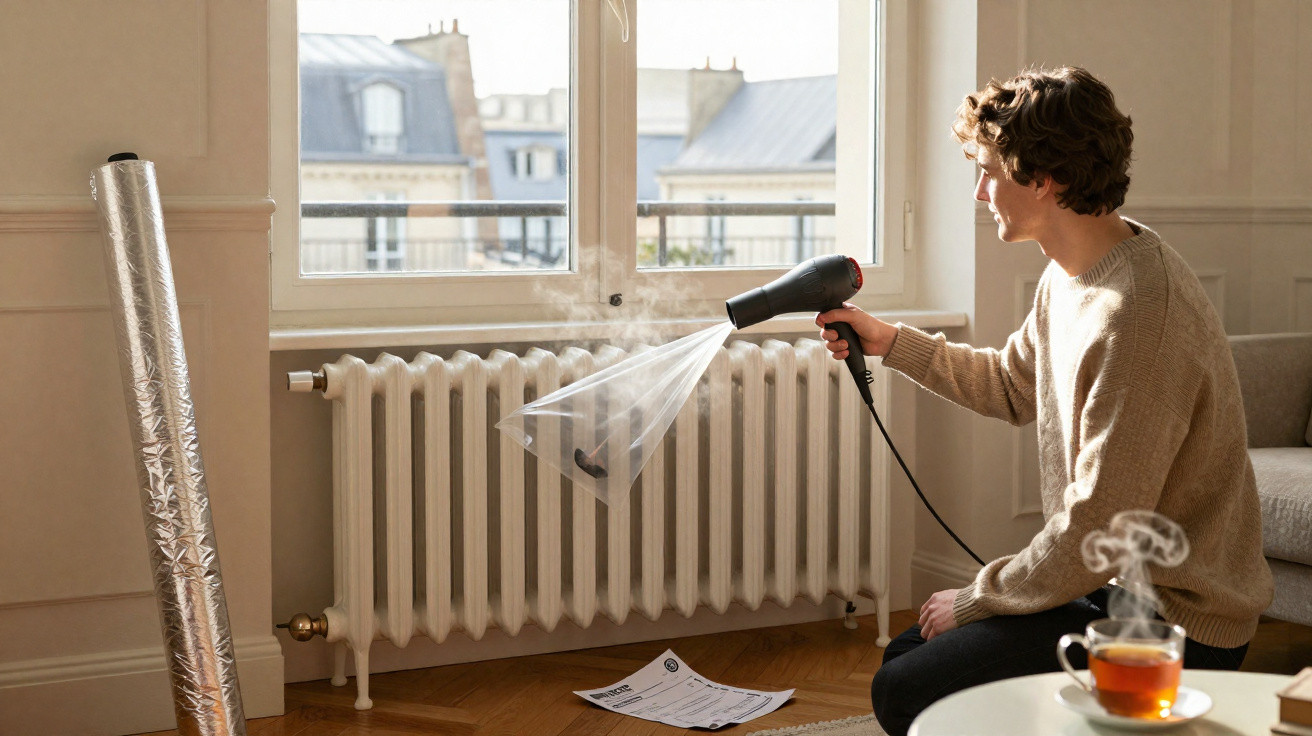
- Placing shoes on a radiator
- Blowing hot air inside with a hairdryer
- “Quick-drying” them in the oven
These heat shocks can melt adhesives, warp synthetic materials and make foam crumbly.
Gentle drying, step by step
- Put the shoes in a well-ventilated, shaded place.
- A spot with gentle airflow is ideal, such as in front of a fan or near an open window.
- Stuff the inside with newspaper or kitchen roll.
- Change the paper several times during the first few hours while it is still damp.
- Leave the shoes for at least 24 hours, or up to 48 hours if they became very wet.
“Only wear your shoes again once everything, including the deep toe area, feels completely dry.”
If you live in a very damp home, place the shoes in a laundry bag near a dehumidifier. This will remove residual moisture much faster.
Keeping insoles fresh between washes
Even the best cleaning routine achieves little if the shoes are immediately left damp and sealed inside a cupboard. A few regular habits will keep the footbed fresher for much longer.
Air them properly after every wear
- Leave shoes out in the open for at least overnight after taking them off.
- Do not store them straight away in cramped lockers, closed cupboards or gym bags.
- If you wish, use cedar shoe trees, which absorb moisture and odours.
Sports shoes in particular benefit from being aired after training rather than being left to “mature” in the boot of a car.
Prevent odours with sprays and powders
Shops sell specialist shoe sprays and powders, many containing tea tree oil, eucalyptus or other natural ingredients. They slow bacterial growth and leave a fresh scent.
- Apply them only to completely dry insoles.
- Use sprays sparingly, until the surface is only lightly moistened.
- Ideally, sprinkle in powder during the evening and shake out any excess the following morning.
Anyone with sensitive skin should be careful with heavily fragranced products and monitor how their feet react.
Shoe rotation, socks and health: what many people overlook
One factor is frequently missed: shoes need recovery time. Wearing the same pair every day gives the insole barely any opportunity to dry fully. Bacteria thrive in this damp environment.
A better approach is to alternate between at least two pairs, or even three pairs for sports shoes. This gives each set of fixed insoles a 24-hour break, even if you do not deep-clean them every time.
Your choice of socks also matters. Performance socks made from merino wool or sports fibres move sweat away more quickly than pure cotton. This reduces the burden on the insole, lowers moisture and limits odours.
If you regularly suffer from very sweaty feet, or repeatedly notice fungal growth in your shoes despite good care, seek medical advice. Hygiene measures alone are often no longer enough, and the skin may need treatment.
When cleaning is no longer worthwhile
Every insole eventually reaches the end of its useful life. Typical warning signs include:
- The foam beneath your foot feels uneven or crumbly.
- Even after thorough cleaning, the unpleasant smell returns within a few hours.
- The surface has cracks, deep discolouration or areas that are coming loose.
In these cases, it is often time to part with the shoe, at least where the insole is genuinely integrated and cannot be professionally replaced. Specialist retailers or cobblers can assess on a case-by-case basis whether fitting new footbeds is worthwhile; for expensive walking boots or high-quality leather shoes, it may well be.
Recognising these signs early and cleaning fixed insoles gently on a regular basis saves money over time, is kinder to your feet and means you are far less likely to feel embarrassed by your shoes in daily life-whether at the office, the gym or when visiting friends.

Comments
No comments yet. Be the first to comment!
Leave a Comment