
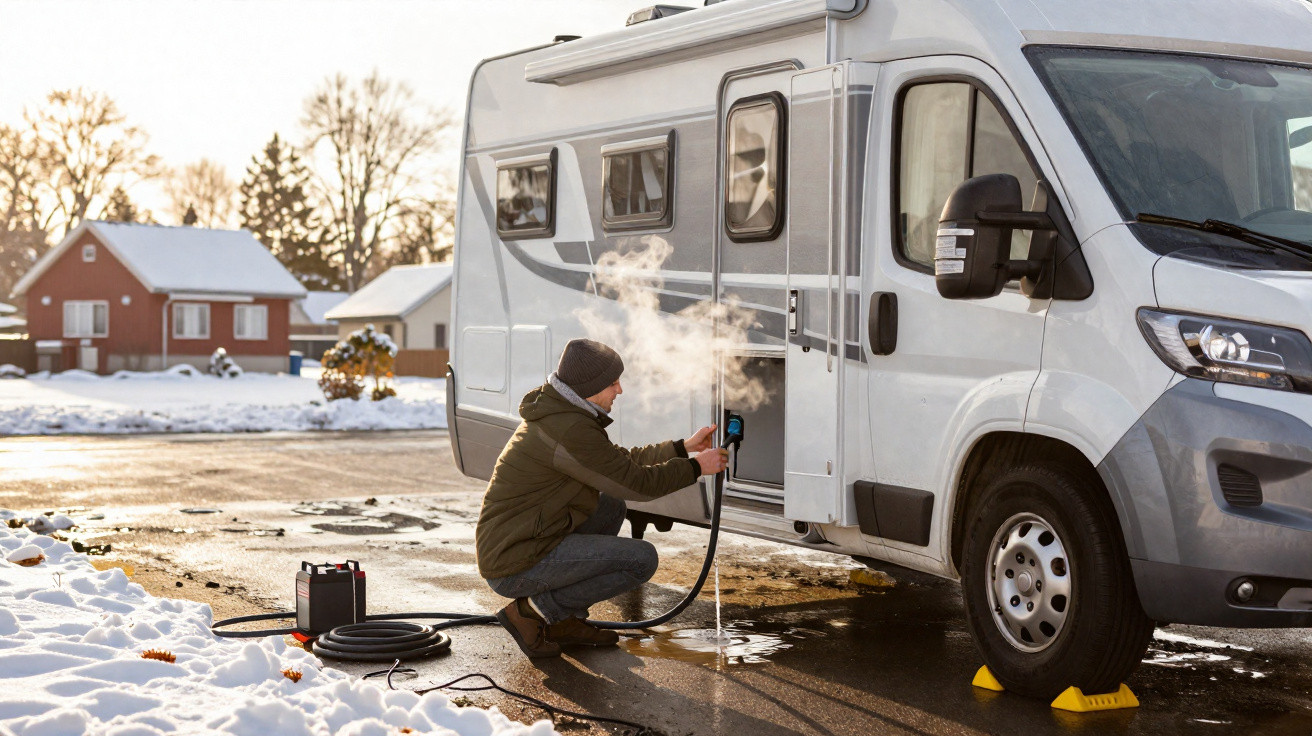
Before leaving your leisure vehicle unused for several months, a few targeted steps will protect its water system, battery, tyres and living area.
Winter storage is not simply a matter of shutting the door and returning in spring. Frost, damp and prolonged inactivity can damage a motorhome within just a few weeks. Frozen pipework, a flat battery or mould in the habitation area can quickly turn the start of the travelling season into an unexpected bill. Preparing the vehicle in autumn helps prevent these problems.
Cold weather puts the water system at greatest risk
In a motorhome, water is particularly vulnerable over winter. It runs through the tanks, pipes, pump, water heater, shower tap and toilet. Once temperatures fall below freezing, standing water can freeze, expand and crack components that may be difficult to replace.
“A fully drained water system protects the vehicle better than leaving the heating on throughout the cold season.”
Preparation should be completed before the first sub-zero nights. Empty the fresh-water tank, waste-water tank and toilet cassette. Opening every tap helps remove remaining water. The water heater must also be drained in line with the manufacturer’s instructions.
The pump requires particular care. Once the system has been drained, run it very briefly with the taps open to expel the final drops. Some owners choose to remove it and store it somewhere dry. This remains a useful precaution when the vehicle is kept outdoors in an area subject to persistent frost.
Essential tasks before closing up the habitation area
- Drain the fresh-water and waste-water tanks.
- Open every tap, including the external shower tap.
- Drain the water heater and check its valve.
- Clean the toilet and lubricate the appropriate seals.
- Empty and wash the fridge, then leave its door slightly open.
- Remove food, rubbish and any products that could freeze.
After these tasks are complete, visually inspect the connectors, accessible pipes and seals; this can sometimes reveal an existing leak. Winter is not the ideal time to leave a possible problem unresolved.
A flat battery may never recover
A motorhome is often fitted with two batteries: the engine battery and the leisure battery, which powers the lights, sockets, pump and habitation heating. Even when unused, both gradually lose charge. An alarm, detector or device left connected can speed up this loss.
If the vehicle is stored under cover with a dependable electricity supply, a battery-compatible maintenance charger can keep charge levels topped up. Otherwise, it is better to check the batteries regularly and recharge them whenever required. Disconnecting the leisure battery can reduce unseen power consumption, provided you know which settings will be reset.
“A battery left flat for several months may lose part of its capacity, even after a full recharge.”
Switch off the 12-volt electrical panel after the final checks. Also make sure that power-hungry equipment is not left on standby. Before leaving, a quick walk through the habitation area can prevent a lamp, television or inverter from being overlooked.
Tyres and the handbrake need the right approach
A heavy vehicle left stationary for several months can develop flat spots on its tyres. These distortions may become noticeable when driving again, causing vibration or poorer road holding. Before storage, start by checking the sidewalls and tread.
Then inflate the tyres to the parking pressure recommended by the manufacturer. Wheel ramps or blocks can spread the load and lower the risk of distortion. The surface should be firm, clean and, ideally, dry. A damp earth surface encourages moisture beneath the chassis and makes inspections more difficult.
Do not leave the handbrake applied throughout winter. In some circumstances, the mechanism can seize. It is preferable to secure the motorhome with sturdy wheel chocks, taking suitable precautions for the ground conditions and gradient.
Cleaning reduces odours and unwanted visitors
A clean interior copes better with winter storage. Crumbs, forgotten food, packaging and damp fabrics attract rodents and insects. Mice look for a warm shelter and may damage insulation, conduits or cables. Even a small opening around a cable entry point can be enough.
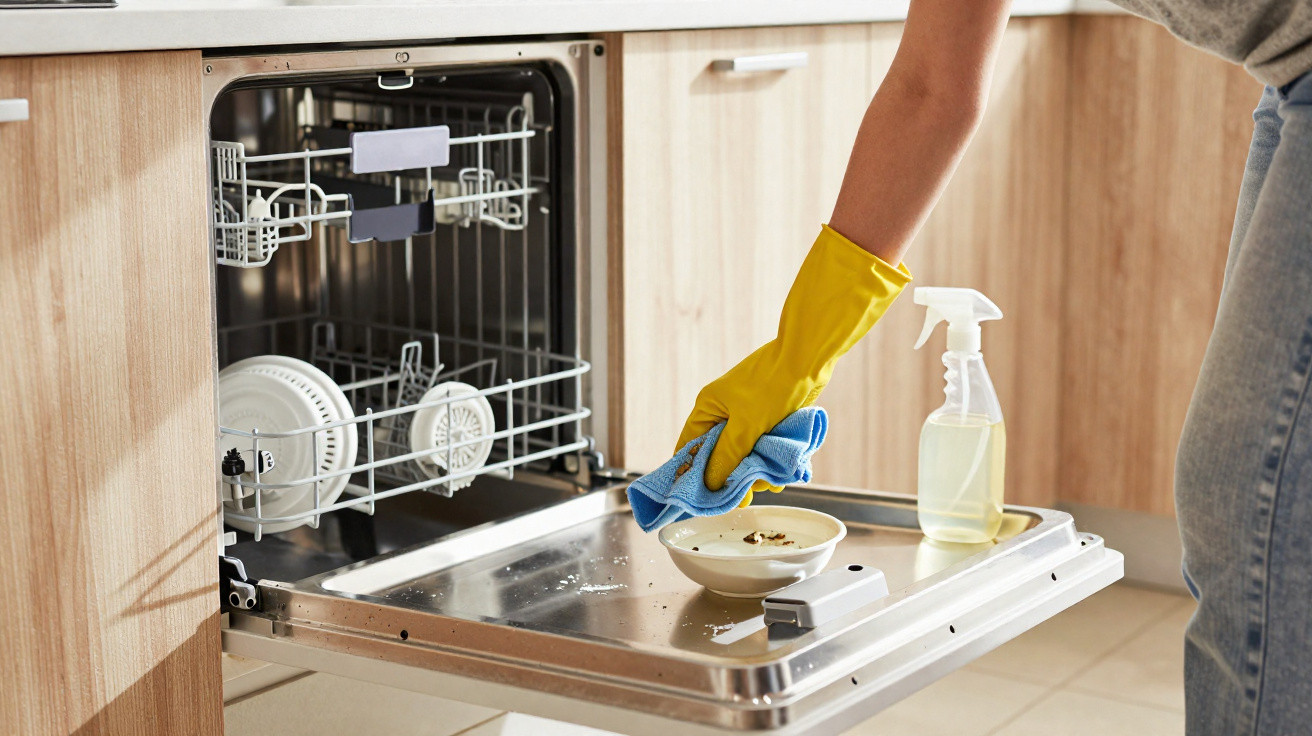
Cleaning should cover cupboards, the kitchen, fridge, storage lockers, vents and seals. Remove or lift cushions and bedding to allow air to circulate. Moisture absorbers can help in a closed habitation area, but they are not a replacement for proper ventilation.
A cover is not always the right solution
Outdoors, suitable protection can reduce the impact of rain, dirt and winter sun. It must allow air to circulate. A waterproof, non-breathable tarpaulin can instead trap condensation against the bodywork. Over time, this may lead to marks, mould or corrosion.
In a dry, enclosed garage, fully covering the motorhome is not always particularly useful. Light protection for the windscreen or wheels may be enough. The decision mainly depends on the humidity of the location, how often the vehicle is checked and its exposure to the weather.
Choosing a storage location for several months
| Type of storage | Indicative monthly budget | Key point to check |
|---|---|---|
| Private garage | No additional cost | Check the available height and ventilation |
| Rented shed | 50 to 200 euros | Check access, security and the contract |
| Secure storage site | 30 to 150 euros | Compare surveillance, access and included services |
| Private outdoor land | 20 to 70 euros | Allow for protection against damp and theft |
Covered storage offers better protection from the weather, but it does not remove the need to clean the vehicle or drain the water system. An outdoor space may be suitable in a mild region if the ground remains stable and the vehicle is checked regularly.
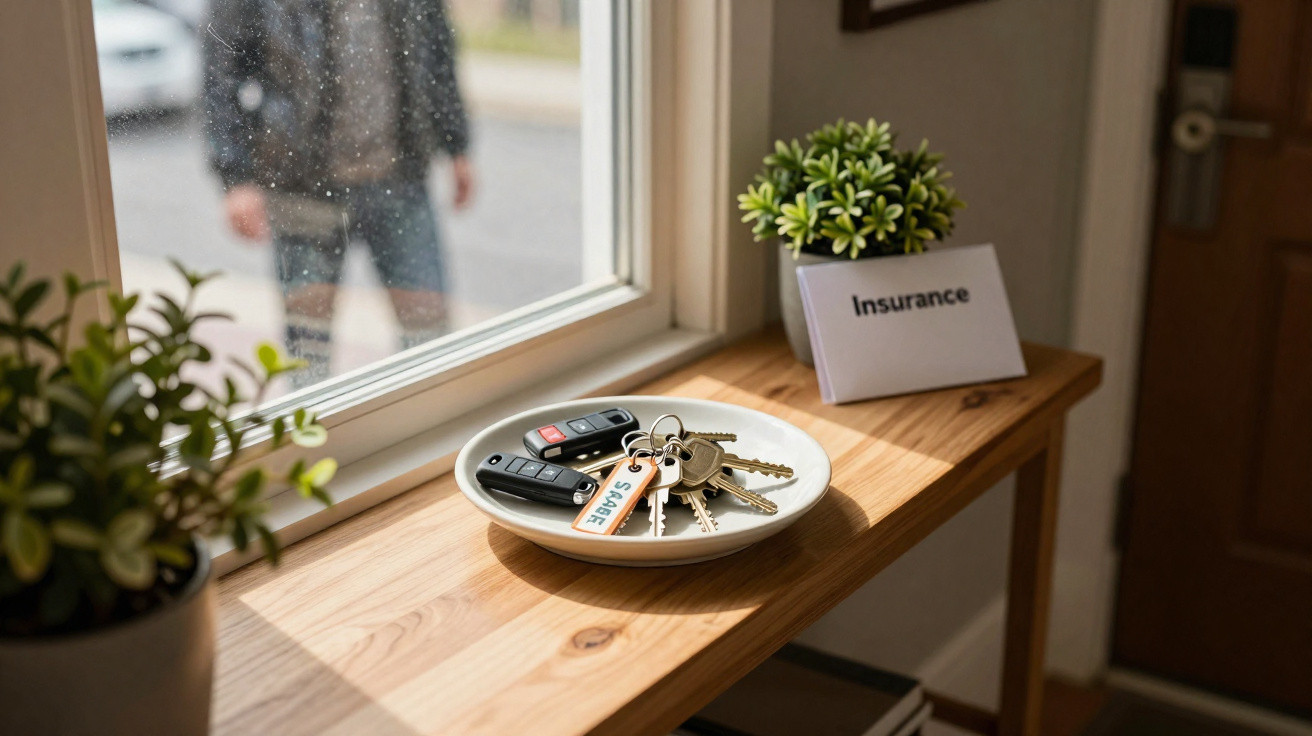
Before leaving the motorhome at a storage site, review your insurance policy as well. Some insurers require an enclosed location, anti-theft devices or a declaration when the vehicle will not be driven for a long period. Taking photographs of the vehicle before storage is a simple precaution should a claim arise.
Preparing your motorhome to return to the road from winter
A monthly visit prevents issues from taking hold. Check for damp, tyre condition, signs of rodents and battery charge levels. Air the vehicle for a few minutes when the weather allows. This also makes it possible to spot a leak around a rooflight or seal quickly.
When warmer weather returns, do not fill every tank straight away. Begin by inspecting the connections, restart the pump, then allow water to circulate gradually. Cleaning and disinfecting the system before the first trips makes the installation more hygienic. The time spent on these checks is still far less than the time needed to repair a concealed leak beneath a seat bench.


Comments
No comments yet. Be the first to comment!
Leave a Comment