
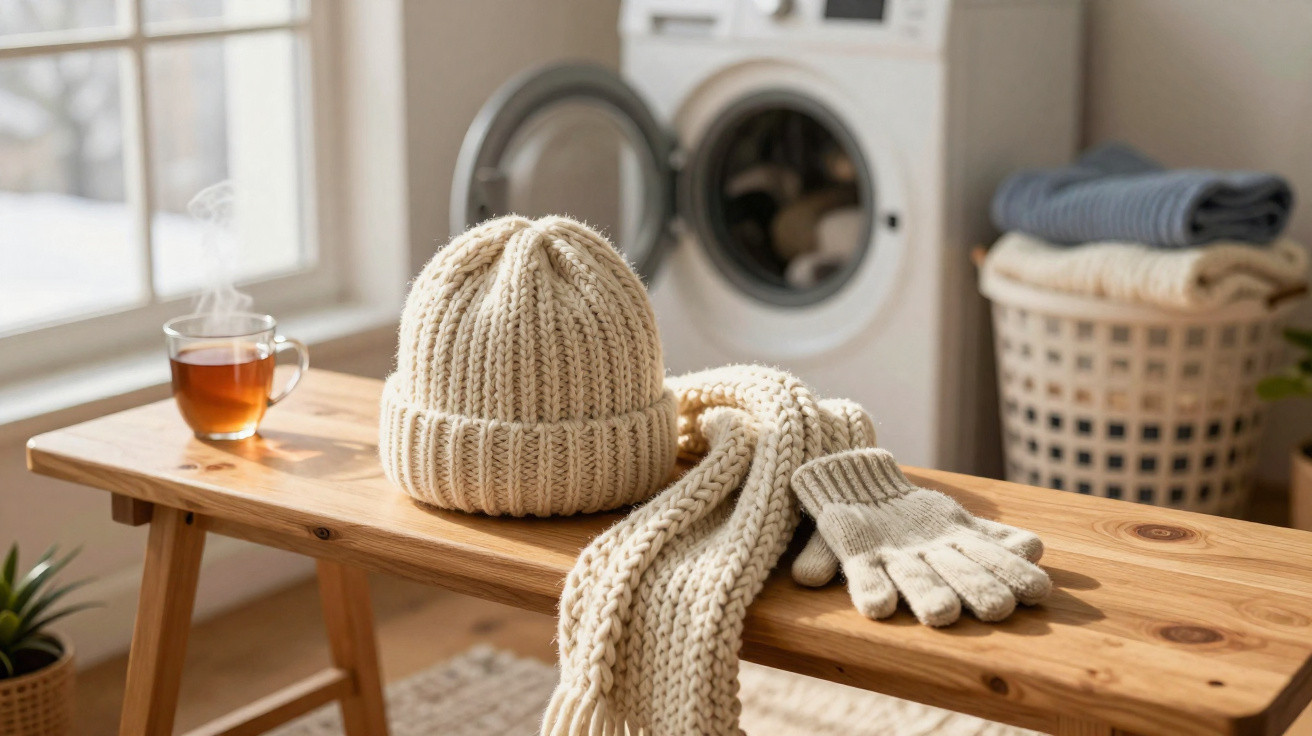
That familiar cosy item can avoid the washing machine for weeks - or even months - despite spending so much time pressed against our skin.
The winter accessory everyone forgets to wash
When winter laundry comes up, most people think of bulky coats, fitted sheets, duvets and ski clothing. However, the item that often spends longest against us during colder weather is seldom considered: the throw blanket on the sofa.
Whether it is the fleecy blanket pulled up beneath your chin during a late-night box set, the knitted throw kept at your desk or the oversized “snuggle” blanket children haul between rooms, the outcome is usually identical. They appear clean and smell acceptable, so they remain in place.
Soft throws feel harmless, but over winter they can quietly turn into one of the most contaminated textiles in the home.
Unlike bedding, which many households wash routinely, or clothing, which regularly passes through the laundry basket, throws tend to occupy an in-between category. They are considered “home textiles”, sitting somewhere between clothes and decoration. As a result, they are easy to overlook - and can become an ideal refuge for unwelcome visitors.
What really builds up inside a throw blanket
Dermatologists and allergy specialists caution that regular close contact with unwashed throws may worsen skin and respiratory issues. Their fibres absorb almost everything that drifts through or lands in everyday life.
Within only a few weeks, a frequently used blanket may collect:
- Dead skin cells and body oils from everyone who uses it
- Makeup traces, fake tan and skincare products
- Pet fur, dander and small amounts of outdoor dirt brought in on paws
- Crumbs and drink spills from the sofa
- Dust mites and their droppings, which are a key indoor allergen
- Pollen carried indoors on hair and coats
- Bacteria and mould spores from humid spaces
Central heating adds another factor. Heated, dry air means blankets are used continuously, while reduced winter ventilation limits the exchange of air. Moisture from perspiration or spills also dries more slowly, particularly in thick fleece and faux fur.
Warm, slightly damp fibres give mites and bacteria the exact blend of moisture, warmth and shelter they need to thrive.
For the majority of healthy adults, this is not an emergency. Rather, it places a gradual background burden on the body. Someone may wake with a blocked nose and blame “winter air”, scratch an irritated arm and put it down to “dry skin”, or find that a child’s eczema worsens after weekend film marathons on the sofa.
Health signals you might not link to your blanket
Exposure to indoor allergens does not usually arrive with obvious warning signs. GPs see an increase in mild symptoms during the heating season, particularly in homes with carpets, pets and lots of soft furnishings.
An unwashed throw may contribute to:
- Mildly blocked or runny noses on waking
- Ongoing throat clearing after sleeping on the sofa
- Red, sore areas on the neck or jawline
- Small spots where the blanket comes into contact with the face
- More regular asthma flare-ups among sensitive people
- Itchy eyes when sharing a throw with a pet
Children, those with asthma or allergic rhinitis, and people living with eczema or rosacea are often the first to respond. Even so, people without a diagnosed condition frequently report that they “sleep better” or “feel fresher” after beginning to wash throws routinely.
How often should you wash your winter throw?
Hygiene professionals generally recommend an easy approach: regard well-used throws more like pyjamas than curtains. In practice, this means washing them at least once every two weeks, or weekly when any of the following apply:
- Dogs or cats sleep on the blanket
- People eat snacks or meals on the sofa
- Small children pull the blanket across the floor
- Someone at home has allergies or asthma
- The throw is also used as an extra duvet overnight
A fortnightly wash keeps allergen build‑up under control without turning laundry into a full‑time job.
Households often find it easier to follow a memorable rule. This could be “wash sofa throws every second Sunday” or “blanket day equals sheet day”. Consistency is more useful than good intentions.
Washing your winter throw: temperature and fabric matter
The care label provides the starting point, although a few material-specific measures can make washing simpler and safer for a favourite blanket.
| Material | Suggested wash | Drying advice |
|---|---|---|
| Cotton and cotton blends | 40°C; up to 60°C where the label permits for improved allergen control | Line dry or use a low tumble setting; shake out to avoid stiffness |
| Microfibre / fleece | Gentle 30–40°C cycle; do not use fabric softener so fibres remain breathable | Dry flat in the air or tumble dry on low; take it out promptly to prevent static |
| Wool and wool-mix | Wool or hand-wash programme, cool water and wool detergent | Dry flat on a rack; avoid tumble drying and hot radiators |
| Chunky knits / hand-made throws | Cold hand wash or specialist cleaning, with only a brief soak | Reshape and lay flat; use a towel for support to prevent stretching |
Before putting it in the wash, take the blanket outdoors and give it a firm shake. Dry hair and crumbs come away more readily this way than they do in the machine. A quick pass with a lint roller may also be useful, particularly for darker materials.
For homes affected by allergies, an additional rinse helps remove detergent residue that could irritate sensitive skin. Scented softeners may seem appealing, but they commonly cling to synthetic fibres and can affect people with asthma or migraines.
Drying and storage: what happens after the wash
Once the rinse cycle has finished, prompt drying is important. A thick throw left scrunched in the drum can remain damp in the middle for hours, again creating conditions that favour mildew and microbes. Open it out across as much space as possible.
Clean textiles only stay clean if they dry quickly and breathe freely between uses.
Useful winter throw habits include:
- Ensuring they are completely dry before folding them or placing them on a bed
- Draping them over a bannister or wide clothes airer rather than creating thick folds
- Not storing them in basements, lofts or close to cold exterior walls
- Airing them beside an open window on crisp, dry days, even if only for ten minutes
Fabric sprays marketed as providing “instant freshness” only cover up smells. They do not remove the sweat, oils or allergens already caught in the fibres. Applied over this build-up, they may even form a sticky layer that gathers additional dust.
Making a realistic blanket hygiene routine
No household operates like a laboratory. Washing has to fit around work, childcare and everything else, so any routine needs to be achievable. Those who keep throws clean over time usually depend on practical methods, not perfection.
Popular approaches include:
- Having two primary throws per person and rotating them, with one in use and one being washed or aired
- Placing a lightweight, washable cover or sheet over a costly or delicate blanket
- Designating throws for pets alone and washing them weekly at higher temperatures
- Connecting “blanket day” with a regular event, such as a weekly television programme or the main food shop
The aim is not to create a sterile home, but to maintain a degree of cleanliness that clearly benefits health and comfort. People with eczema often say their skin stings less when resting against a freshly washed throw. Asthma nurses may recommend a month-long trial of more rigorous textile washing to assess whether symptoms improve without further medication.
Beyond blankets: other soft items people forget
Paying attention to the sofa throw often draws notice to other neglected textiles. Many have the same characteristics: they sit close to the body but are washed infrequently.
These can include:
- Bedside cushion covers that are not washed alongside bed linen
- Throws on gaming or office chairs used for several hours each day
- Shared “guest” blankets moved from one room to another
- Pet blankets carried between the car, garden and living room
Using the same fortnightly guideline for these pieces can noticeably improve the indoor setting. For allergy sufferers, pairing this practice with regular vacuuming of mattresses and upholstered furniture may cut exposure to dust mites more effectively than scented candles or air fresheners can.
Small hygiene changes with wider benefits
Seeing a throw blanket as part of a home’s “micro-climate” moves the issue beyond simple tidiness. Each textile that touches the body forms part of a larger system that can either support or place pressure on immune and respiratory health.
Washing throws routinely lowers the volume of allergenic material transferred between clothes, bedding and soft furnishings. It also interrupts the route by which microbes can move from floors and pet fur to children’s faces or weakened skin barriers. For anyone recovering from winter viruses, a cleaner textile environment could lessen the likelihood of picking up further infections while the body is still run down.
There is a psychological aspect too. A freshly laundered throw can represent a reset: a small, visible act of care that makes the living room seem more peaceful, even when toys and paperwork remain nearby. The feeling of being physically and mentally cared for by one of the room’s most ordinary objects may be the understated reason this overlooked winter accessory merits a regular wash in the machine.





Comments
No comments yet. Be the first to comment!
Leave a Comment