
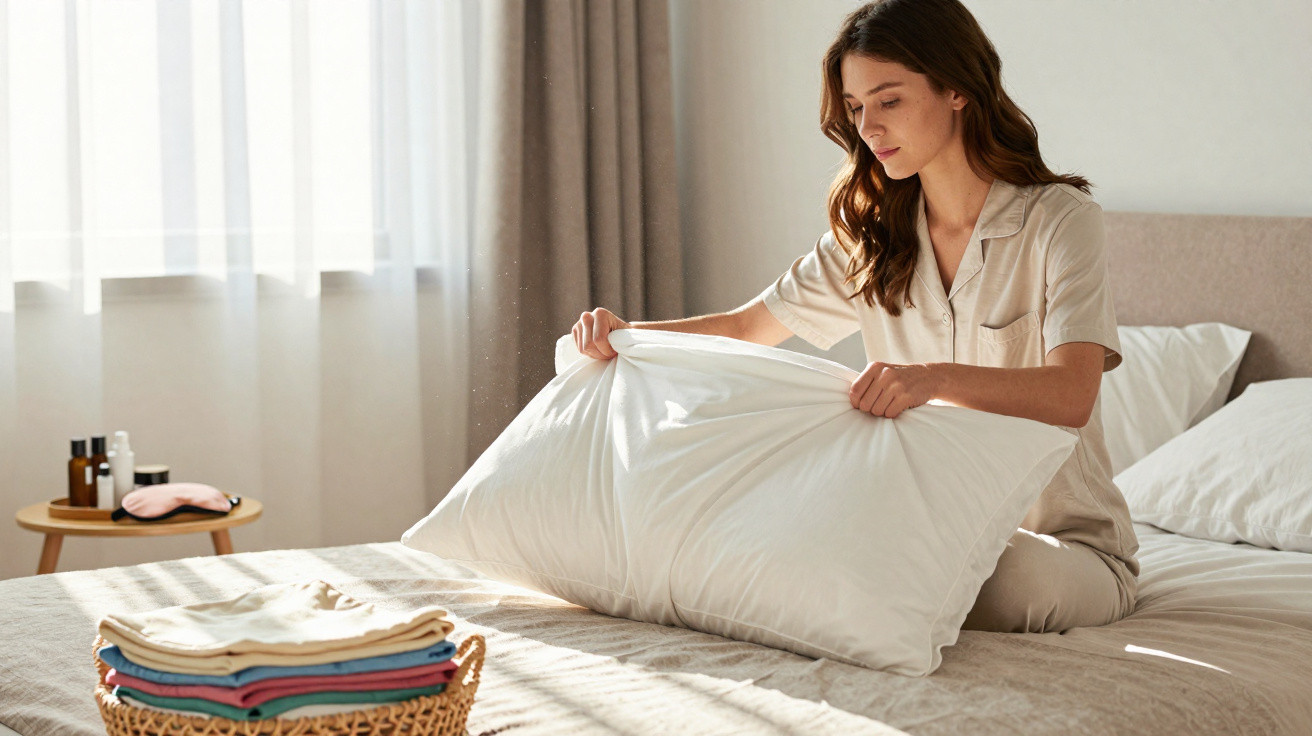
Sleeping on clean fabric supports calmer nights and provides vital protection for facial skin. A pillowcase collects invisible substances overnight, so it should be changed every 7 days to protect health and prevent unwanted inflammation.
What is the risk of delaying a pillowcase change?
Leaving the same item on the pillow for too long creates conditions that encourage microorganisms to develop. The ongoing build-up of sweat and bodily residue speeds up the multiplication of dust mites, which can trigger respiratory allergies and significant skin discomfort for the sleeper.
As you rest each day, friction between the skin and the fabric transfers organic matter directly on to its surface. Layers of oiliness, combined with shed dead cells, create an ideal foundation for unwanted reactions around the face.
What is the exact frequency for changing all bedding?
Keeping mattress fabrics in use for extended periods allows invisible impurities to build up, affecting the quality of overnight rest… Read more
Why do experts recommend weekly washing?
Many dermatologists confirm that frequent replacement stops a range of impurities from reaching open pores. Regular washing noticeably lowers the bacterial load, making rest more hygienic and helping to prevent everyday body acne from worsening.
Replacing the pillowcase at every seven-day interval prevents the face from remaining in prolonged contact with accumulated residue. Removing microorganisms and bacteria before they become established within the pillowcase weave helps to protect skin health during daily sleep.
Below is a video from the FOX 5 New York YouTube channel that explores the points discussed in this topic in greater depth:
How do night-time cosmetics affect pillowcase cleanliness?
Applying hair oils and facial creams before bed increases the amount of dirt retained by the pillow cover. Cosmetic products transfer oily substances to the fabric, making it easier for dust and environmental debris to stick throughout the night.
This mixture of dermocosmetics and natural secretions can block pores when a person rests against the pillow again. The cover needs changing regularly so that the skin barrier does not absorb harmful toxins that have accumulated in the fabric.
Essential Pillow Hygiene Kit
Fabric Care
See the key items needed to keep your pillowcases consistently clean:
- Extra pillowcases for quick replacement;
- Waterproof protective covers for the pillow;
- Mild detergent suitable for frequent washing.
Which habits help keep the pillow hygienic?
Adopting bedroom hygiene habits directly supports bed longevity and health protection. Using protective covers underneath the pillowcase blocks moisture, while ventilation in the room helps to prevent mould in the mattress.
Washing fabrics with mild detergent and drying them completely in the sun ensures the thorough removal of harmful micro-organisms. Everyday maintenance through simple care measures increases the feeling of freshness and improves the household wellbeing routine.
A few essential actions can strengthen this protection during the night:
- Alternate the side of the pillow used over the course of the week;
- Change pillowcases immediately after episodes of excessive sweating;
- Air the pillow in a well-ventilated place each week to remove moisture.
How can you create an effective replacement routine?
Setting a fixed weekly timetable makes it easier to remember to refresh bed fabrics without forgetting. Choosing a particular day for the change creates consistency in care and prevents unnecessary dirt from building up on the pillow surface.
Keeping spare sets of pillowcases in the cupboard makes immediate replacement easier whenever stains or unpleasant odours appear. This daily discipline in the bedroom refreshes the sleeping environment and ensures ongoing protection for your health.





Comments
No comments yet. Be the first to comment!
Leave a Comment