
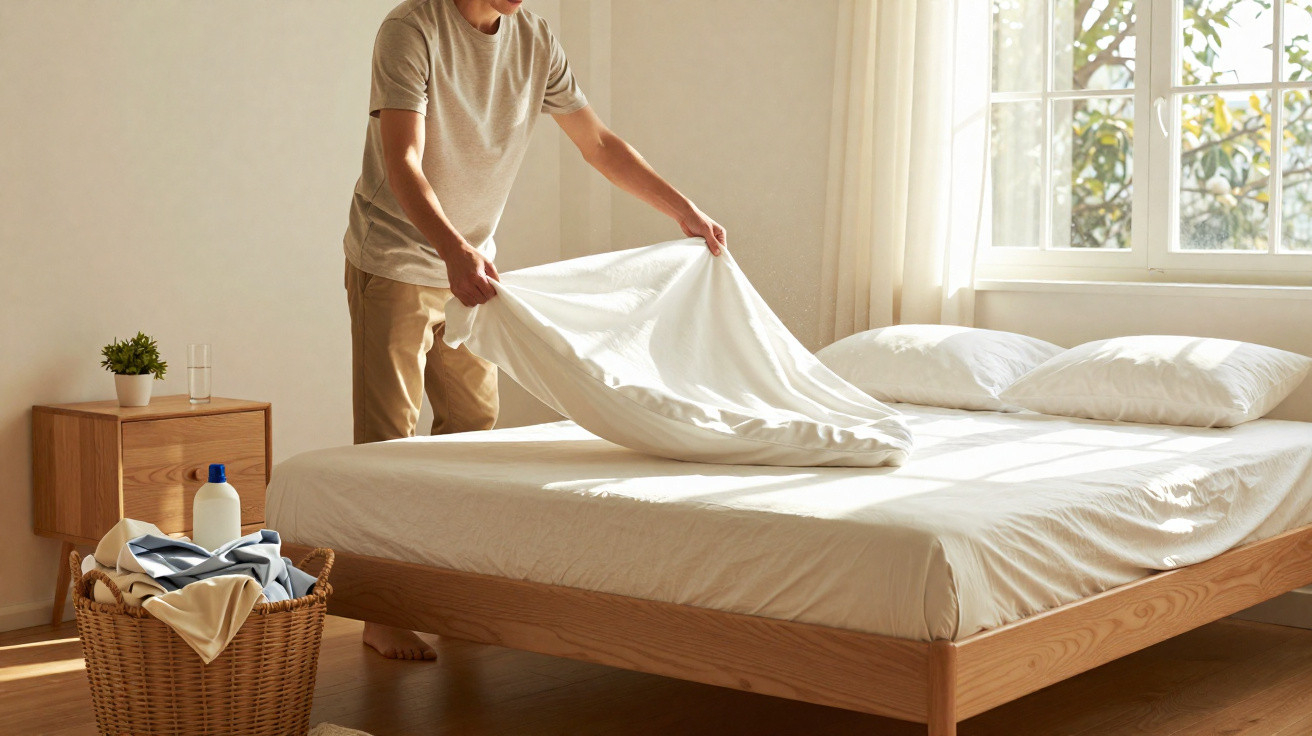
Keeping the bedroom hygienic is essential for a genuinely healthy, restorative night’s sleep. Yet many people overlook how often their bedding should be cleaned, allowing invisible residues to build up and harm health quietly and continually.
Why should sheets be changed every week?
While we sleep each day, the body naturally releases substantial amounts of sweat and dead skin cells onto the mattress surface. This ongoing build-up provides ideal conditions for dust mites and harmful bacteria to multiply rapidly in the bed.
Regular sheet cleaning becomes even more necessary when pets are frequently present or during spells of intense hot weather. Neglecting this essential measure can turn the bedroom into a real source of potentially serious respiratory allergies.
What is the ideal interval for changing sheets?
Experts warn that postponing washing allows health-harming micro-organisms to accumulate, although the appropriate timing depends on the weather and… Read more
What are the risks of neglecting this cleaning?
Many people continue the damaging habit of using the same bedding for weeks or even months at a time. Without proper hygiene, invisible colonies of fungi and other biological agents harmful to human wellbeing can develop.
Direct exposure to these harmful elements may trigger serious conditions, including severe flare-ups of chronic bronchitis. Uncomfortable skin infections can also appear on residents’ skin because contamination has accumulated throughout the entire bed structure.
Below is a video from the Band Journalism YouTube channel that examines the points discussed in this topic in greater depth:
How should bedding be washed correctly?
Effective methods are needed to clean these fabrics properly and fully eliminate unwanted microscopic invaders. Washing with hot water and good-quality detergent improves the removal of impurities embedded in the fibres of pillowcases and sheets.
This heat-based process destroys resistant micro-organisms that persist after standard cold-wash cycles. Applying this household care consistently safeguards the whole family’s health from invisible threats in the environment of your bedroom.
Proper Bed Hygiene
Items for Bed Care
Follow these three key steps to wash your sheets efficiently:
- Use hot water to eliminate hidden dust mites and fungi;
- Apply quality detergent to remove built-up sweat;
- Clean all pillowcases at the same time to prevent recontamination.
What other habits help in the bedroom?
In addition to frequent washing, other complementary practices can help keep the bedroom free from harmful contamination. Ensuring effective air circulation significantly reduces trapped moisture, which encourages these unwanted small organisms in the environment.
Direct sunlight also works as a powerful natural disinfectant against the invisible pathogens that colonise the mattress. Following a well-organised care routine makes the space entirely safe and suitable for rest.
Here are several simple actions you can introduce into your daily routine:
- Open the windows every day to air the bedrooms;
- Leave mattresses in direct sunlight;
- Avoid making the bed immediately after getting up.
What impact does winter have on frequency?
During colder periods, the human body generally sweats less than it does in the warmer seasons. As a result, the acceptable gap between changing bedding can safely and hygienically be extended in winter.
For cold days, the maximum recommendation becomes fifteen consecutive days without seriously undermining your protection. Nevertheless, changing bedding more often always provides a much stronger barrier against dust mites and health complications in your home.





Comments
No comments yet. Be the first to comment!
Leave a Comment