
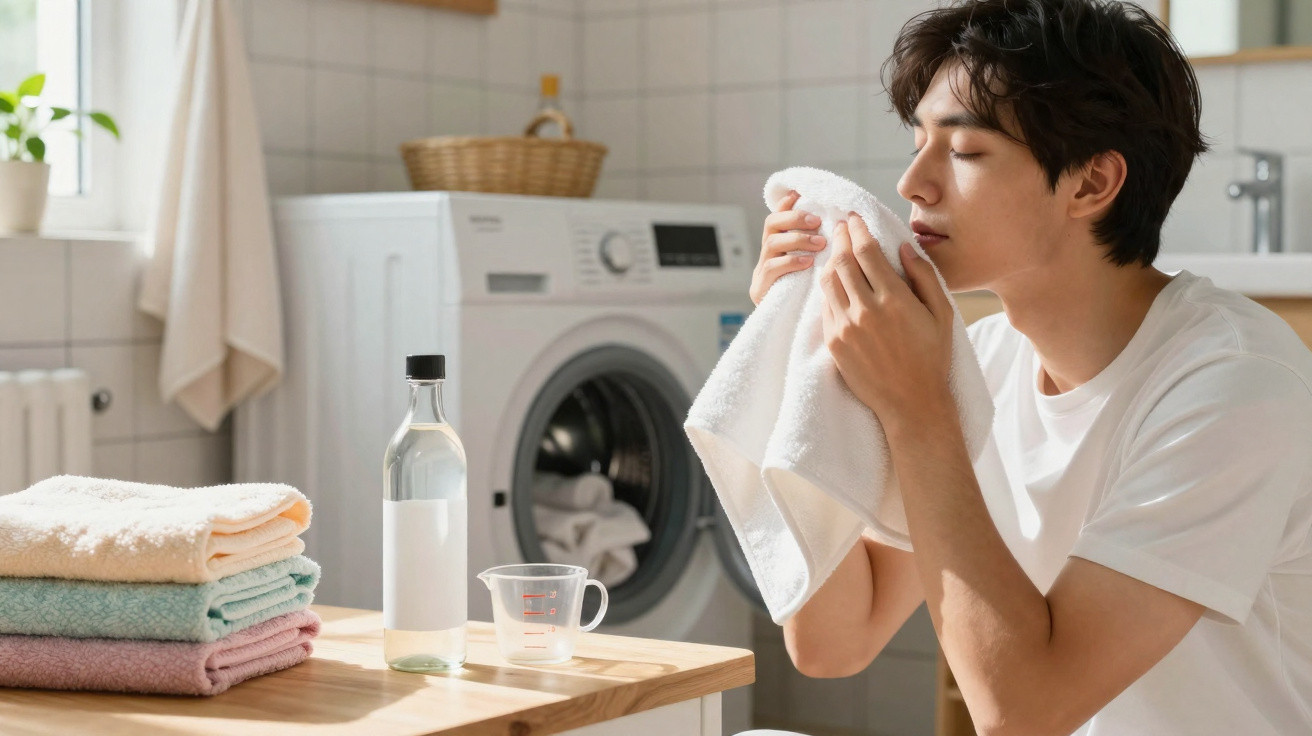
Proper cleaning of household items is vital to the wellbeing of the entire family. Keeping a towel clean helps prevent harmful micro-organisms from multiplying, as they thrive in damp fabrics after a daily bath or shower.
How often should towels be changed?
Some people replace this item every two days, while others wait for more than a full week. Experts advise making the ideal change at least once a week to prevent dangerous bacteria from building up.
Following this regular schedule stops the fabric from staying damp for too long and developing unpleasant odours. If the item shows visible dirt before this recommended period, the washing process should be brought forward to safeguard health.
Can bath towels be washed with T-shirts?
Mixing fabrics in the washing machine may seem convenient, but there is a hidden hygiene risk you need to know about… Read more
Why does a damp bathroom increase contamination?
Smaller flats often make it harder for fabrics to dry completely after family use. The bathroom holds on to hot water vapour, creating conditions that encourage the rapid growth of unwanted fungi.
When these items are left folded or hung in places without sufficient ventilation, they become breeding grounds for invisible germs. This ongoing process creates the familiar bad smell and increases the risk of contamination in your household laundry routine.
Below is a video from the Fala Brasil channel on YouTube that explores the points discussed in this topic in greater depth:
How can towels be washed without damaging the fabric?
Looking after household linen properly requires specific care during hand or machine washing to avoid premature wear. Sorting fabrics into categories prevents excessive friction between the fibres, helping your favourite garment retain its original softness.
Professionals explain that cold water is the best choice for preserving the structural properties of cotton threads. Avoiding excessive use of harsh chemical products protects the material's integrity throughout the useful lifespan of the item.
Cleaning care
Care guide
Follow these three essential recommendations when washing your towels:
- Always use cold water for the wash cycle;
- Dry the items in the shade in a well-ventilated place;
- Reduce the use of standard fabric softener.
What are the risks of using a dirty towel?
Using the same damp fabric for an extended period can lead to highly uncomfortable dermatological conditions in sensitive people. Direct skin contact with accumulated micro-organisms encourages severe allergies and persistent itching across the body.
Furthermore, sharing towels among family members without proper cleaning may result in even more serious public-health problems. Serious situations involving intestinal viral infections or painful fungal infections are made more likely by inadequate personal hygiene.
Consider the main dangers linked to neglecting these bath items:
- The appearance of allergic skin reactions;
- Transmission of infections between family members;
- Rapid fungal growth in fabrics.
How does white vinegar help with household laundry?
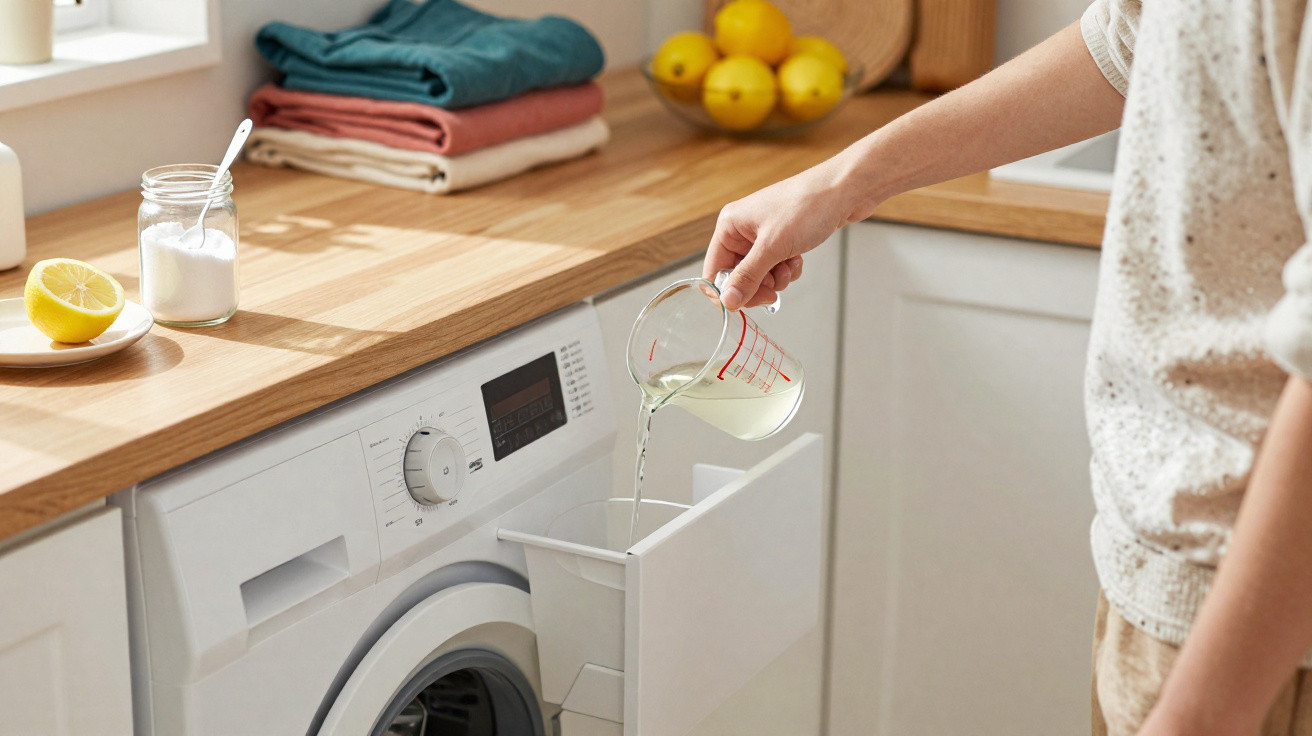
One excellent household tip is to replace conventional products with natural ingredients that are highly effective for everyday home care. Adding half a cup of this acidic substance helps break down heavy grease molecules, leaving the fabric clean and much softer.
This affordable product easily removes embedded residues that cause unpleasant smells without harming the structure of the items. Its distinctive scent disappears completely once dry, ensuring towels with complete cleanliness and an excellent feeling of freshness.


Comments
No comments yet. Be the first to comment!
Leave a Comment