

For years, the 19-degree rule has been treated as the gold standard for heating – but fresh assessments from experts are now seriously challenging that guidance.
Throughout winter, millions of people automatically set their thermostats to 19 degrees because governments, energy suppliers and advice guides have promoted it for decades. The principle appears straightforward: protect the climate, save money, job done. Yet many people are still cold, uncomfortable and left wondering whether something is wrong with them. Energy specialists now say that the outdated rule of thumb, rather than your perception of warmth, is more likely to be the issue.
How the 19-degree rule came about
The well-known 19-degree target dates back to the 1970s, when oil crises and rising energy costs forced governments to respond. They needed a simple message that could be communicated easily, so a figure was chosen that was reasonably suitable for most households while helping to reduce spending.
That approach was practical, but it ignored many variables: better or poorer insulation, climatic differences between the North Sea and Alpine regions, modern heating systems and, crucially, the very different ways people experience cold.
19 degrees were always more of a political signal than a scientifically precise comfort temperature.
Today, we live in far better insulated homes, use heat pumps and smart thermostats, and face record energy prices. That naturally raises the question of whether a fixed recommendation from another era is still appropriate.
Why 19 degrees simply feels too cold for many people
Thermal comfort involves much more than a single number displayed on a thermostat. Three factors are particularly important:
- Insulation: In poorly insulated older properties, cold walls, windows and floors radiate cold. An air temperature of 19 degrees can quickly feel more like 17 degrees.
- Humidity: Very dry air causes the body to lose heat more quickly. Residents can therefore feel colder even when the temperature is supposedly “correct”.
- Activity: People who spend long periods sitting down, working on a laptop or relaxing in front of the television in the evening usually need slightly more warmth than those who move around a great deal.
This is especially noticeable for people working from home: spending eight hours seated at a desk in 19-degree conditions can feel much less pleasant than a short evening on the sofa.
Comfort depends not only on air temperature, but also on wall surfaces, draughts and clothing.
There is also a psychological element. Anyone who spends the whole winter feeling chilly will eventually turn the heating up significantly out of frustration, potentially using more energy without proper control.
Why many experts now recommend 20 degrees
Energy professionals and heating planners are increasingly favouring a different target: around 20 degrees for living areas. That extra degree may sound insignificant, but it can make a noticeable difference.
- Noticeably improved feeling of warmth: At 20 degrees, most people feel comfortable while sitting down and wearing ordinary clothing. This reduces shivering and constant thermostat adjustments.
- Energy use remains manageable: Raising the temperature by one degree increases heating demand by roughly 5–7 percent. In a well-insulated home, the additional consumption is often much lower, especially as overheating is avoided.
- Technology supports fine-tuning: Modern thermostats, smart radiator valves and timed programmes can maintain 20 degrees accurately and lower the temperature automatically when nobody is at home.
In well-refurbished flats with triple-glazed windows, insulated façades and efficient heating systems, moving from 19 to 20 degrees is often the point at which comfort improves dramatically without energy bills spiralling.
Different temperatures for different rooms
Another common misconception is that every room needs to be heated to the same level. Heating selectively saves more energy and supports healthier living.
| Room | Recommended temperature | Reason |
|---|---|---|
| Living room / home office | approx. 20 °C | These are the rooms where we spend the longest, usually while sitting down. |
| Bedroom | 16–18 °C | Cooler air helps promote restful sleep. |
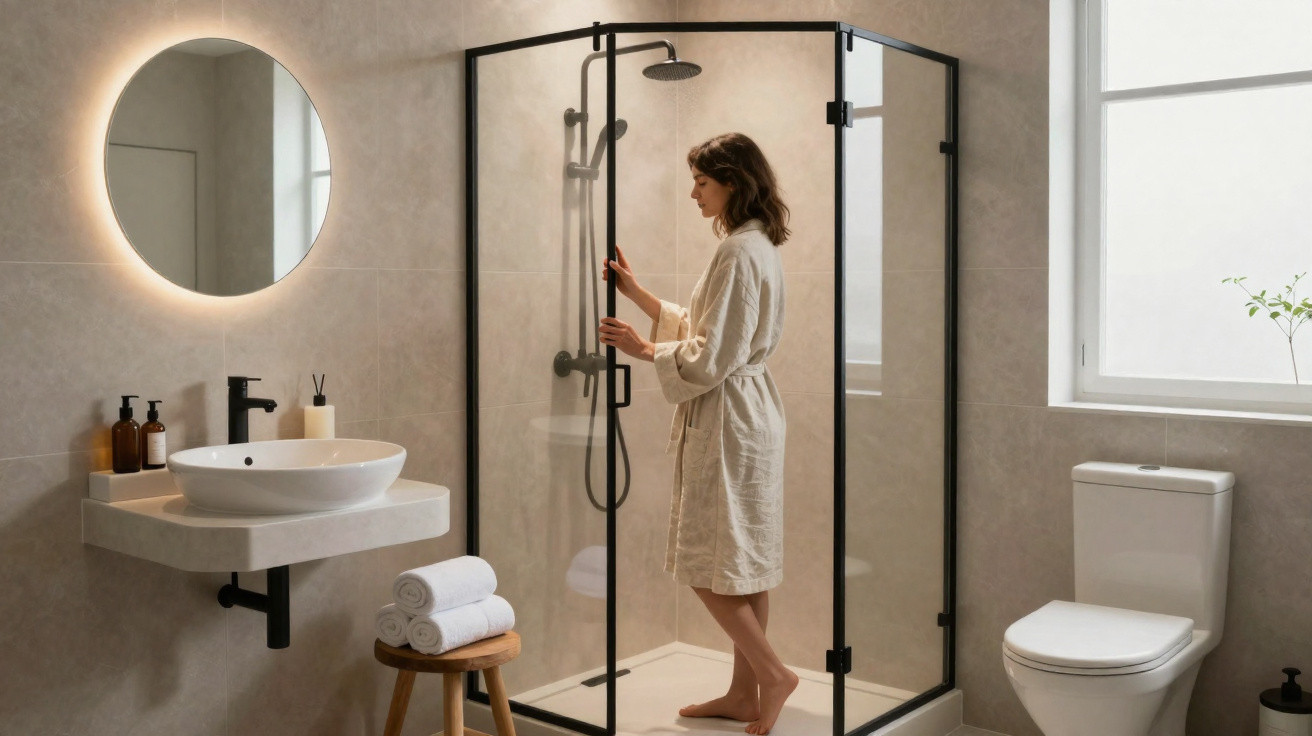
| Bathroom | up to 22 °C (temporarily) | The body can quickly feel chilled while showering or bathing. |
| Hallways, storage rooms | approx. 16–17 °C | As people only spend a short time here, a lower temperature is sufficient. |
Creating these temperature zones achieves two things: comfort rises in the rooms that matter most, while consumption falls in secondary spaces. Keeping doors as closed as possible is essential so that heat does not escape freely.
How to maintain 20 degrees without letting costs spiral
The thermostat is not the only factor: your overall heating habits matter too. A number of adjustments can have a surprisingly large effect:
- Check insulation: Leaky windows, uninsulated roller-shutter boxes and draughty front doors are often where most heat is lost. Sealing strips, curtains or an insulated loft can significantly reduce demand.
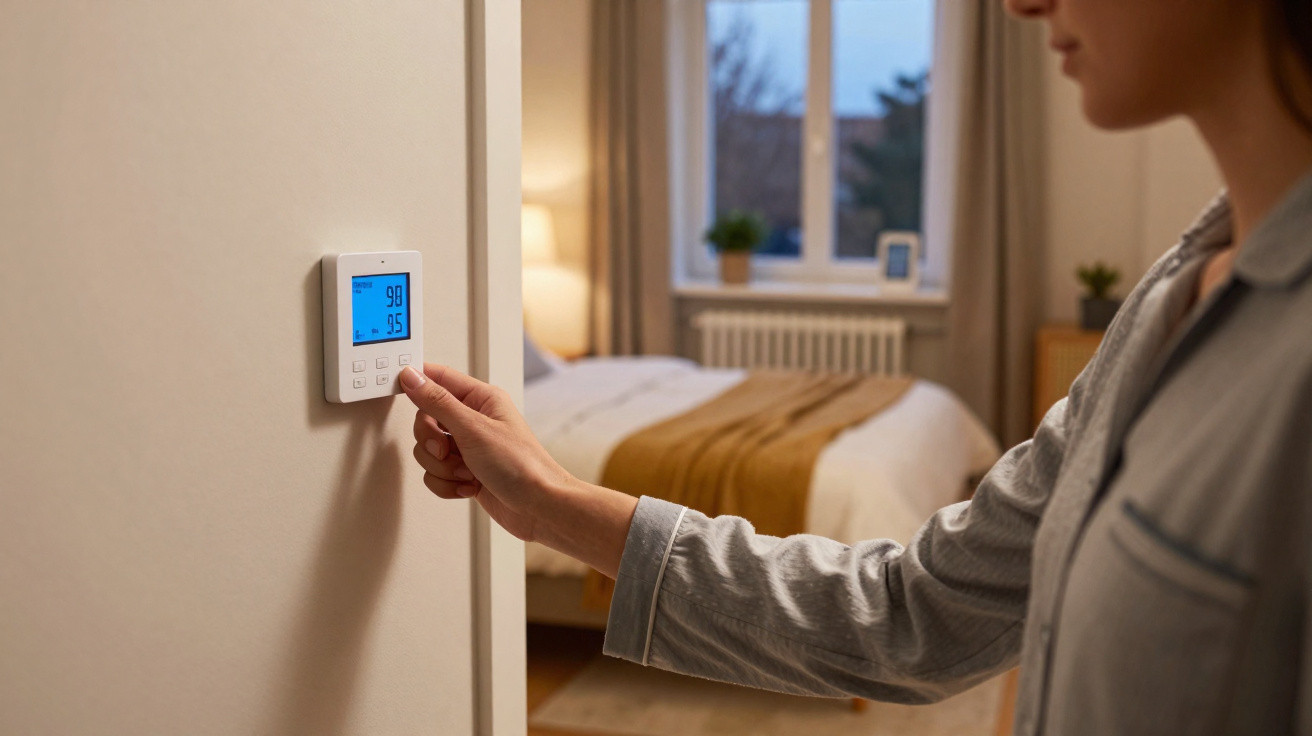
- Use the thermostat properly: Set clear time periods: warm in the morning, lower during the day and raise it again in the evening. Keeping the heating running continuously is rarely necessary.
- Make use of solar warmth: Open curtains and blinds during daylight hours to let the sun contribute to heating. Close them at night so retained warmth lasts longer.
- Reconsider furniture placement: Large sofas positioned directly in front of radiators obstruct air circulation. Just a few centimetres of clearance can noticeably improve efficiency.
- Have the system serviced: Bled radiators and properly maintained boilers or heat pumps operate more efficiently and reach the desired temperature faster.
Anyone who combines technology, insulation and usage habits intelligently can often heat at 20 degrees more cheaply than at an uncontrolled 19 degrees.
Who 19 degrees can genuinely be problematic for
Cooler temperatures do not suit everyone equally well. The following groups are especially sensitive:
- Children: Their ability to regulate body temperature is not yet fully developed, so they lose heat faster.
- Older people: Their metabolism is slower, circulation is often poorer and cold affects them more strongly.
- People with chronic illnesses: Those with cardiovascular conditions, rheumatism or respiratory illnesses are more likely to suffer in cooler homes.
For these households, a temperature of around 20 degrees is more of a minimum standard than a luxury. Rooms that are too cold can worsen coughing fits, intensify joint pain or simply undermine wellbeing.
What “comfort temperature” really means
The so-called comfort temperature is not a law of nature. It refers to the range in which most people neither sweat nor feel cold, and remain comfortable over extended periods. Depending on the study and condition of the building, this range is generally between 20 and 22 degrees, with normal clothing and average humidity.
Personal factors also play a role. Very slim people often feel cold more quickly, while those who exercise frequently usually manage with slightly less warmth. Psychological factors matter too: people who constantly focus on their heating costs may unconsciously perceive the temperature as lower.
Practical ways to feel more comfortable at 20 degrees
Small measures can make a difference without needing to adjust the thermostat continually:
- Woollen socks, slippers and a rug in front of the sofa reduce the feeling of cold underfoot.
- A light cardigan or hoodie when working from home often has a greater impact than raising the dial by one degree.
- Brief, intensive ventilation instead of leaving windows tilted open maintains air quality without cooling the walls.
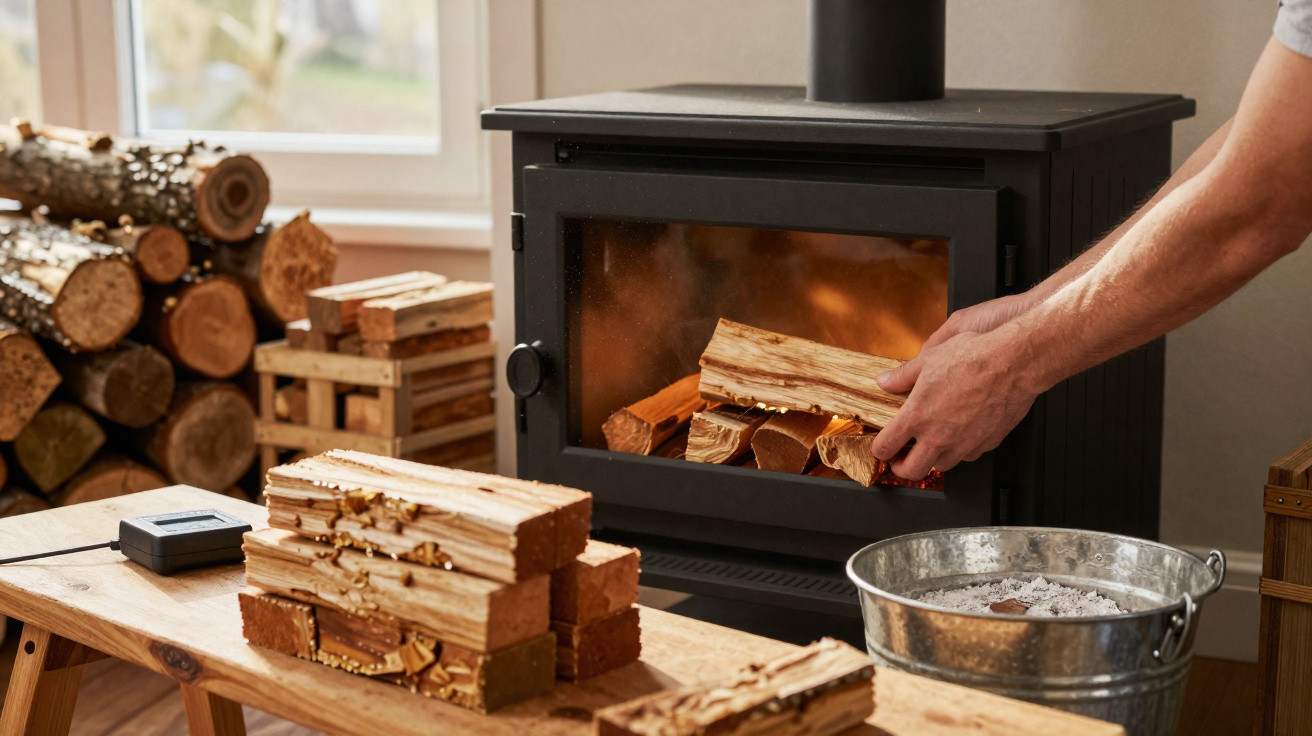
- A hygrometer helps you monitor humidity – around 40 to 60 percent is ideal.
In particular, combining slightly warmer clothing, a modestly higher room temperature and good humidity produces a far more pleasant sensation than focusing rigidly on one figure alone.
What the debate means for the coming winter
The old 19-degree formula is clearly beginning to lose its authority. Instead of blanket guidance, the key question is becoming: what suits my home, my heating technology and my circumstances? For many households, 20 degrees in living areas is likely to become the new realistic target, supported by smart controls, improved insulation and more considered heating habits.
Those who make use of these options no longer need to choose between comfort and cost. One extra degree can significantly improve perceived quality of life in winter, while the right measures can still keep heating bills under control.



Comments
No comments yet. Be the first to comment!
Leave a Comment