
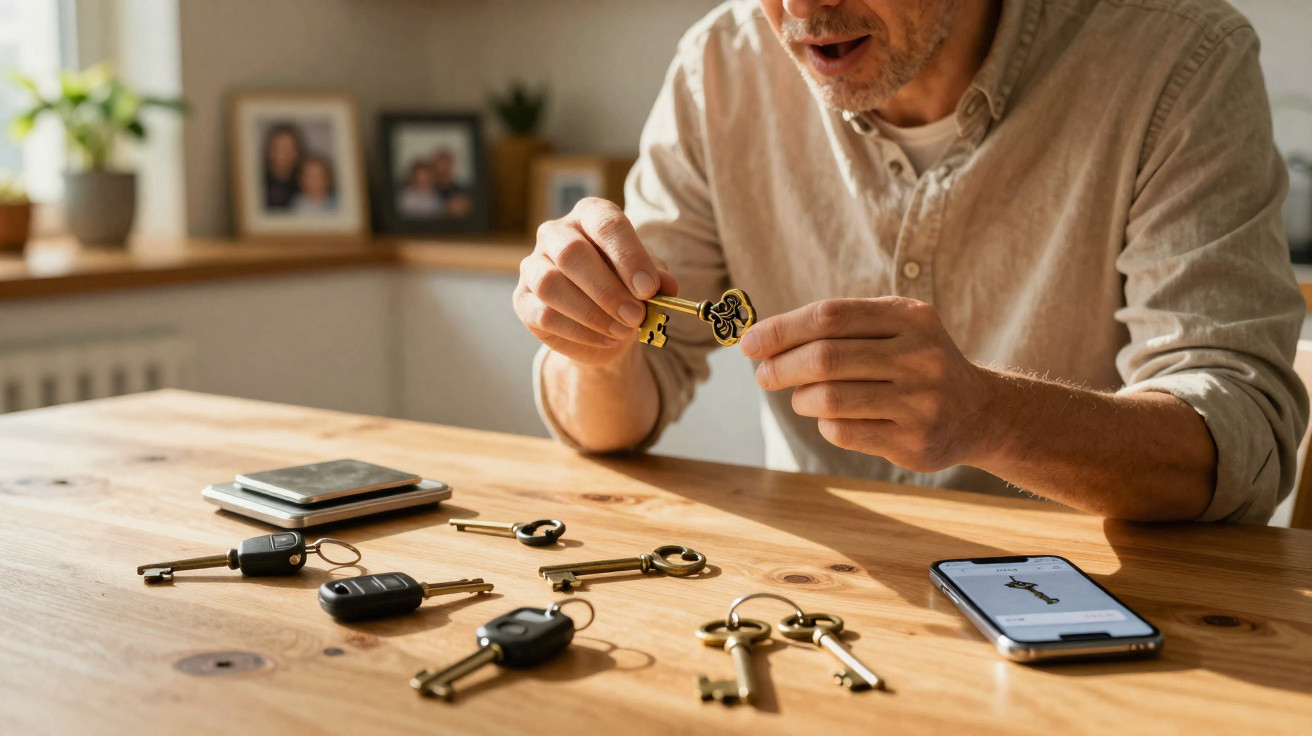
You open the junk drawer in search of batteries, only to find them once more: that clattering, tangled mass of old keys that has followed you through every house move, breakup and “I’ll deal with this later” moment of the past ten years. Some still gleam, others have tarnished, and a few seem to belong to doors that no longer exist.
You pick one up and turn it over, briefly asking yourself: why am I holding on to these?
Then another, quieter thought follows.
What if they are worth more than I realise?
Why those old keys could be worth far more than scrap metal
For most people, old keys are simply clutter: metal objects with no matching door, no practical purpose and no remaining story. They end up dropped into jars, coffee cups or biscuit tins, then sit forgotten for years on a shelf at the back of a wardrobe.
But at flea markets, antique fairs and online auction sites, those same supposedly “useless” keys are currently changing hands for genuine money. Not just pennies either: sometimes tens, or even hundreds, of pounds.
The odd thing is that plenty of owners do not know this. Every day, they pass their own small stash of potential treasure without a second thought.
Consider Claire, a 42-year-old teacher from Manchester, who told her story in a Facebook decluttering group. One wet Sunday, she finally emptied the metal tin that had belonged to her grandfather. It contained around thirty age-darkened keys, including some with decorative bows and substantial, old-fashioned teeth.
Interested to see whether they meant anything, she uploaded several photographs online. Within hours, a collector contacted her. One key - a large brass example bearing a small hotel emblem - was identified as coming from a well-known 1930s seaside hotel. He offered £180 for that key alone.
Claire had nearly put the entire collection into the recycling bin.
Why might a 1930s hotel key command that sort of price? Nostalgia is one reason. People purchase reminders of places they never saw and eras they never experienced. Design matters too: historic keys were often small pieces of craftsmanship, with forms and engravings seldom found today.
There is also the straightforward matter of scarcity. As older buildings are refurbished, demolished or modernised with digital locks, authentic heavy keys disappear. Collectors, interior decorators, escape-room designers and even TikTok resellers are all competing for the remaining supply.
That dusty jar on the shelf may suddenly seem rather less dull.
How to spot old keys that are junk - or hidden gold
First, spread every key across a table as though you were setting up an unusually strange card game. Group them loosely by category: tiny delicate keys, substantial house keys, long skeleton keys, car keys and anything particularly unusual. You do not need specialist knowledge; you only need to see which examples stand apart.
Look especially closely at keys that appear older: those made from weighty brass or iron, those with elaborate bows - the rounded section you hold - and any stamped with a name, number or logo. A hotel name, railway company, airline or safe manufacturer can all provide useful clues.
If a key looks as though it belongs on a film set, it is precisely the sort of item collectors may be seeking.
Next, compare the three or four keys that seem most interesting with examples online. Search phrases such as “antique skeleton key”, “vintage hotel key fob” or “old safe key with logo”. Focus on sold listings rather than the unrealistic prices sellers are merely hoping to achieve.
Many people avoid this stage because it seems laborious and slightly nerdy. Honestly, nobody does it every single day.
However, this is the point at which patterns become clear. You may find that keys from one railway company attract strong prices, or that ornate French wardrobe keys from the 1900s are fashionable on Instagram as decorative items. One convincing match can transform your view of the whole collection.
After identifying keys that may have value, speak with people who handle thousands of them. Local antique dealers, flea-market regulars and locksmiths may all help steer you in the right direction. A five-minute conversation can save hours of uncertainty.
“Old keys are like paper money,” says Luc, an antique trader in Lyon. “Most of it is common, but a few notes are rare. The problem is, people throw them all away without checking.”
It is also worth considering your keys as sets. Some buyers particularly like themed bundles:
- Keys from one hotel, factory or estate
- Assorted “mystery” lots for DIY projects or decoration
- Keys with tags, room numbers or engraved plates
- Old car ignition keys from discontinued models
An individual key may appeal, but a handful of metal with a small story behind it can sell even better.
The emotional choice: keeping, selling or repurposing old keys
Keys have an unexpectedly personal quality. They may once have opened your first flat, your grandmother’s wardrobe or a garden gate that squealed whenever you arrived home late as a teenager. That is why deciding what to do with them rarely feels entirely detached.
Some people retain one or two keys with personal meaning and sell the remainder. Others make framed displays, necklaces or wind chimes from them. A few exchange the past for some useful cash in the present and never look back.
None of these choices is wrong. Their worth lies somewhere between the price the market gives them and what your heart tells you as you hold that cold piece of metal.
| Key point | Detail | Value for the reader |
|---|---|---|
| Identify potentially valuable keys | Check for age, unusual forms, engravings and logos linked to hotels, transport or safes | Separate possible treasure from ordinary clutter quickly |
| Compare before discarding | Review sold online listings and consult local dealers or locksmiths | Lower the chance of binning an item that could cover a bill or a weekend away |
| Weigh up money and memories | Keep symbolic keys, sell collectible or decorative examples, and upcycle the rest | Clear clutter without regret while potentially making unexpected cash |
FAQ: old keys
Are all old keys valuable?
No. Most modern house keys and standard duplicates are worth only their scrap-metal value. The keys most likely to stand out are older, heavier examples, unusual designs and those associated with particular places or brands, including hotels, trains, safes and luxury shops.How can I sell my vintage keys?
You can advertise them on online marketplaces using clear photographs and size references, take them to antique fairs or sell themed bundles to crafters and decorators. Certain specialist collectors’ forums also purchase rare keys directly.Is it safe to keep old house keys from previous homes?
Provided the locks were changed, they are generally safe to keep as objects. For added peace of mind, do not retain labelled keys that plainly reveal addresses. Before selling or displaying them, you can remove tags or engrave over sensitive information.What about car keys - can they be worth anything?
Keys for iconic or discontinued models may interest motoring enthusiasts, particularly if they retain their original key fobs. A typical plastic car key from a common model is seldom valuable, whereas an old metal ignition key carrying a logo could attract a buyer.Should I clean my old keys before selling them?
Gentle cleaning with a soft cloth is normally sufficient. Harsh polishing may strip away the patina collectors value and can reduce the price. If you are unsure, photograph the keys “as found” and ask potential buyers whether they would prefer them unaltered.




Comments
No comments yet. Be the first to comment!
Leave a Comment