

Many homes feel cold even though nobody wants to shiver. Yet energy advisers say there is one straightforward measure with an immediately noticeable effect: create a still layer of air at the window to block the cold, retain warmth indoors and cost nothing beyond a few minutes of attention. No elaborate DIY project, no risky tealight experiments and no magic. Just air, brought under control.
On a freezing morning in the kitchen of a Berlin period flat, coffee sits on the windowsill. Steam swirls while the pane looks icy. Beside the window, a young father fixes transparent film to the frame, smooths out the creases and adjusts a heavy curtain. When the midday sun briefly breaks through, the warmth remains quietly inside. Nothing whistles and no chill seeps in. In the evening, as the city exhales, it is noticeable on your hands: the cold hits an invisible barrier. Cold is a master of detours. The answer is closer than you might expect.
What makes this trick work
Most homes lose heat wherever air starts moving: around windows, gaps and doors. The cold then feels like a faint draught passing across your skin and cooling your whole body. This simple method creates a barrier precisely where it is needed. A motionless air layer between the glass and the room acts like a miniature flask. Air is a poor conductor of heat when it remains still. That is what can make a home feel calmly warm.
Here is a practical example: in a corner room with two old windows, a resident records 17 degrees in the evening, despite cooking and working there during the day. After fitting Transparent Insulation Film and closing a tightly fitting curtain, the evening temperature rises to 19 to 20 degrees – without turning up the heating. It is not magic, but physics you can feel. We all know that moment of wondering why a room was draughty yesterday but is not today. The answer lies in air that is no longer circulating.
So what happens? Cold panes draw in warm room air, cool it, and the chilled air then falls downwards – forming a small cycle that constantly renews itself. The film interrupts this contact, while the curtain slows the airflow. Between them, a Window Airlock is created. It stops the miniature wind in the room and interrupts heat loss. During the day, the sun can still warm the glass when the curtain is open. Close it again in the evening. It is simple, instantly noticeable and effective day after day.
How to use the window airlock trick in 15 minutes
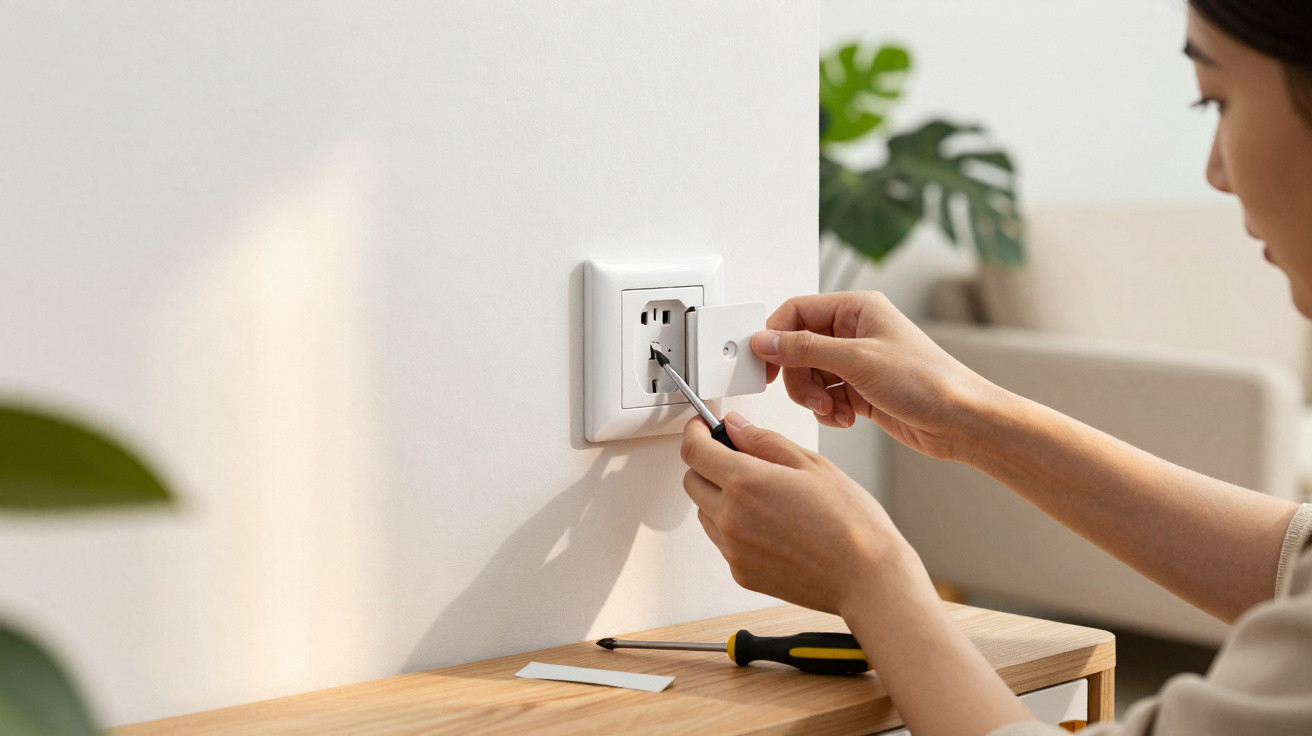
The method is easy to follow. Clean and dry the window frame, then use mounting tape to attach the Transparent Insulation Film all the way around, creating an airtight seal. Minor creases hardly matter; if preferred, carefully use the warmth from a hairdryer to tighten the film slightly. The second step is the Thermal Curtain: hang it as close to the ceiling as possible and ensure it closes at the sides, so that air cannot move around the edges. A dense drop ending just above the windowsill stops the stream of cold air before it rolls into the room.
What should you bear in mind? The air layer needs to breathe, but it must not move around. Do not press the film directly against the glass; instead, leave a still gap of one to three centimetres. Curtains can be improved with side returns or magnetic strips on the wall, ensuring that no gaps remain. Honestly, nobody adjusts this to the millimetre every day. Keep it practical – the important thing is to close the curtain in the evening. Also air the room briefly and fully to let moisture escape. This keeps the space comfortable without mould becoming an issue.
Many people ask whether this is really enough. Building physicists and energy advisers say yes, because it immediately slows heat loss through windows. It is not merely “a little less cold”; the entire feel of the room changes.
“As soon as the air at the window becomes still, the feeling of a draught disappears. This is the biggest everyday lever – noticeable from the very first evening.”
For a quick start, this short checklist can help:
- Is the window frame clean and dry? Then the tape will hold.
- Is the film sealed all the way round? Small gaps can become major leaks.
- Is the curtain properly closed? The sides and top are the crucial areas.
- Let sunlight in during the day and close the curtain in the evening. Routine creates warmth.
- Air rooms briefly rather than leaving windows on tilt. This keeps the air fresh and the warmth indoors.
Why it works straight away – and how to get more from it
Once you have experienced cold stopping at an invisible boundary, you see a room differently. The living room feels calmer, and the corner by the window suddenly becomes usable. The method scales up: more windows mean more impact. A rug on the floor reduces cold radiation from below, door seals tame chilly hallways, and a tightly closing shutter at night complements the curtain. There is no need to do everything at once. Start with the biggest source of cold.
A note about everyday life: sometimes the curtain stays open because the light is so lovely. Or you forget the film on one window. That is normal. Keeping warm is not a perfectionist project; it is about building habits. Close the curtain for a Netflix evening. Teach your hands to make those two movements each night. The trick then becomes part of the evening, like brushing your teeth. Small, calm and dependable. And yes, it can feel almost too simple – because it is simple.
Anyone wanting to make the effect go further should think in zones. Rooms used in the evening become warm islands, with doors kept shut. The kitchen gains a little warmth while cooking, while the office can remain brighter during the day. In period homes, a second lightweight curtain behind the heavy one creates an additional layer of air. In newer homes, well-sealed joints and one curtain are often enough. Thermal Curtain does not simply mean “extra thick”; it means “able to close well”. Weight helps, but the seal makes the difference.
Some people raise concerns about moisture. They mean the moisture created by breathing, cooking and showering. The solution is uncomplicated: air rooms fully two to three times a day, for five minutes with the windows wide open. Leave the film in place and pull the curtain aside briefly; the air is exchanged while warmth remains stored in walls and furniture. Back to cosy. And if anyone asks: no expensive specialist materials are needed. A clean installation and still air are all it takes.
The appealing part of this trick is its social side. Neighbours show neighbours how to fit the film without creases. Children close the “warmth veil” in the evening. The click of the curtain rail becomes a small ritual. This warmth feels earned because it comes from attention. Not from using more energy. Not from costly equipment. From knowledge that anyone can put into practice straight away.
| Key point | Detail | Benefit for the reader |
|---|---|---|
| Still layer of air | Film on the frame + tightly fitting curtain | Immediately fewer draughts, noticeably warmer |
| Simple process | 15 minutes per window, few materials | Low cost, quick to implement |
| Suitable for daily life | Let sunlight in by day, close at night, air briefly | Warmth without heating, a better routine |
FAQ:
- Does this work with new uPVC windows too? Yes. Even modern windows lose heat through the glass surface and convection. The air layer noticeably reduces the feeling of draughts, even where seals are intact.
- Is there a risk of mould behind the curtain? With regular full airing and dry frames, the risk is low. Air rooms briefly but thoroughly, and do not leave curtains permanently in damp recesses.
- How large should the gap between the film and the glass be? One to three centimetres is enough. Too little space achieves little, while too much can allow the air to circulate again. A continuous seal around the frame is what matters.
- What if I rent my home? The film can be removed without leaving residue, and curtains are standard in rented homes. If you want to drill holes, speak to the property manager if in doubt. Tension rods are an alternative.
- Does this help with balcony doors too? Yes, especially as draughts are often noticeable there. A curtain that hangs closely and a clean seal around the door gaps can make a major difference. The door remains usable.





Comments
No comments yet. Be the first to comment!
Leave a Comment