

Sometimes you notice it the moment you open the door after a day out: a slightly stale smell made up of cooking, laundry that dried too slowly and shoes left in the hallway. You light a candle, spray an air freshener or crack open a window… and the feeling goes away for a few minutes, but not much longer. We all know that awkward moment of wondering whether guests can notice it too. The issue is not always cleanliness, far from it: a home can be spotless yet hold on to odours in fabrics, drains or damp corners. The good news is that you can tackle them without filling the air with a chemical fragrance. And it genuinely changes the atmosphere.
A recurring smell usually has a very specific source
Unpleasant smells do not linger in a home by chance: they settle wherever moisture, crumbs or bacteria can build up. The sofa takes in food smells, towels can retain a musty note, and the bin may scent the whole kitchen even when the liner has just been replaced. Eventually, you stop noticing because your nose becomes accustomed to it. Then someone close to you arrives, and you suddenly realise the air is not as neutral as you thought.
In many homes, the culprit is sitting in plain sight: the kitchen sponge. A study carried out by German researchers found that a used sponge can contain several hundred types of bacteria, particularly in its most porous areas. That does not necessarily mean it is dangerous, but it does explain the dull smell that returns around the sink even after the worktop has been cleaned. Replacing it regularly costs less than an arsenal of sprays.
A lingering smell is often a sign rather than something you simply have to put up with. Commercial fragrance masks the issue without removing the particles behind it, while the combination of artificial scent, cooking and damp can even become sickly. A fresh-smelling home is not one that smells strongly. It mainly smells of circulating air, clean fabrics and rooms that have had time to dry. Finding the source takes a little patience, but it prevents you from treating the symptoms for weeks.
Simple habits that genuinely neutralise odours
Start by airing the house for ten to fifteen minutes, even in cold weather, ideally creating a draught between two openings. This routine lowers moisture levels and clears some of the odorous compounds that have collected overnight or after a meal. In the kitchen, empty the food-waste caddy regularly and rinse it using hot water, soft soap or washing-up liquid. Bicarbonate of soda, placed in a small dish at the bottom of the fridge, also helps absorb smells instead of covering them up.
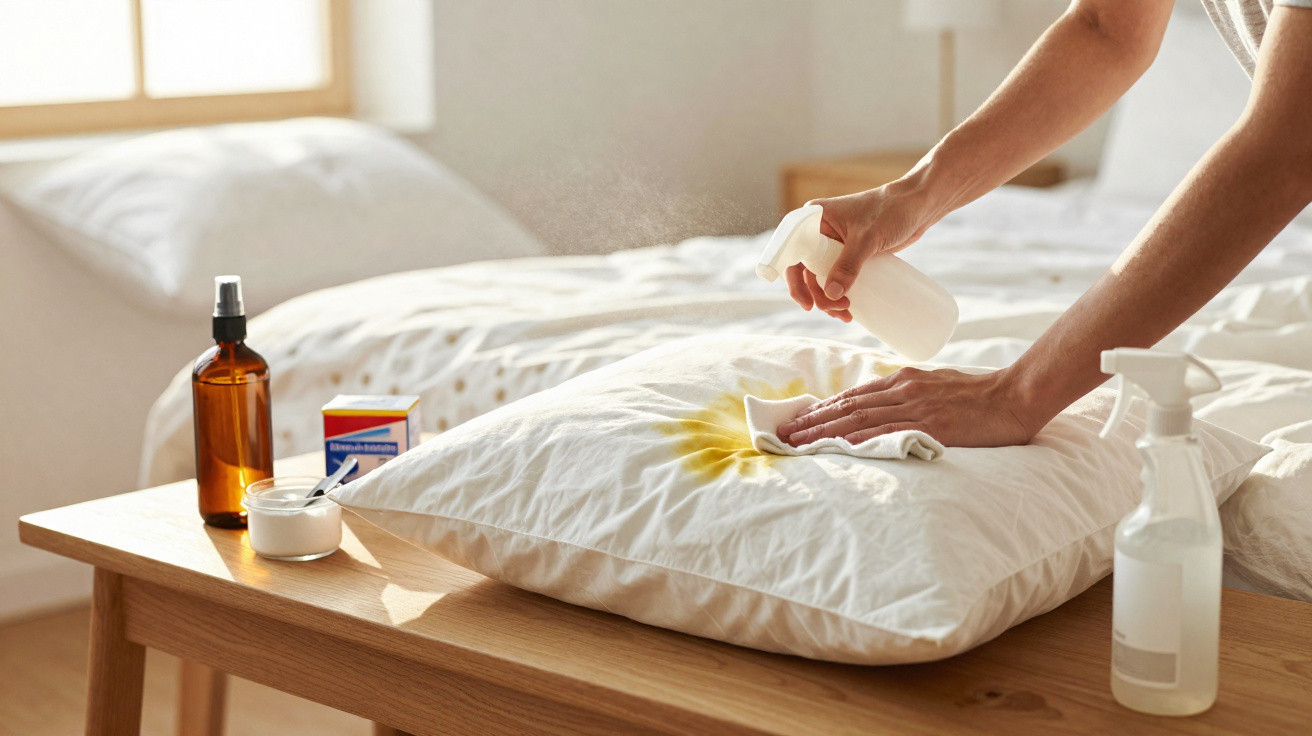
Fabrics need particular attention because they are real odour sponges: throws, curtains, cushions, rugs and coats on an overcrowded coat stand. Regular washing followed by complete drying often achieves more than an overpriced diffuser. Let us be honest: nobody really does all of that every day. The aim is instead to establish a realistic rhythm, such as shaking out throws weekly and washing covers or curtains as soon as a smell of grease, tobacco or damp sets in.
For drains, pour very hot water into the sink or basin, then occasionally use bicarbonate of soda and white vinegar sparingly: the mixture fizzes, but thorough rinsing is what matters most, as it carries away residue.
“When a smell always returns in the same place, it does not need fragrance: it needs a closer look.”
- Hallway: let shoes dry out and wash the mats.
- Bathroom: hang towels open after use rather than folding them.
- Fridge: check for forgotten vegetables before cleaning the shelves.
The routine that keeps a home fresh for longer
The real difference lies in small routines that stop odours becoming established before they turn stubborn. After showering, leave the bathroom door slightly ajar and switch on the extractor fan if there is one; after cooking fish or frying onions, cover leftovers and wipe away splashes while they are still easy to remove. These are not dramatic chores, simply everyday actions that make the air feel lighter day after day.
It is also important to accept that an unusual smell may point to something other than insufficient cleaning: a leak beneath the sink, a dry trap, mould behind a piece of furniture or a dirty washing machine. A cellar-like smell, the scent of wet earth or a damp-laundry odour that refuses to disappear should be taken seriously. In this situation, essential oils and scented sticks solve nothing. It is better to check for moisture, clean the washing machine seal and seek professional advice if marks appear.
What makes a home pleasant is not the smell of a product you can identify from three metres away, but the subtle sense of a lived-in, clean and breathable place. Everyone has their own habits: lemon in the kitchen, laundry dried near a window or a bowl of bicarbonate of soda in the shoe cupboard. The key is finding the ones that fit into a real week, with rushed meals, children, pets and tired days. A home does not need to smell like a homeware shop to make people want to stay.
| Key point | Detail | Added value for the reader |
|---|---|---|
| Identify the source | Fabrics, bins, traps, sponges and damp are the most common areas. | Avoids masking a smell that will return the following day. |
| Air the home every day | Ten to fifteen minutes is often enough to refresh indoor air. | A free, fragrance-free method that is easy to adopt. |
| Prevent rather than cover up | Dry towels, empty waste and clean residue promptly. | A naturally fresher home, even between major cleans. |


Comments
No comments yet. Be the first to comment!
Leave a Comment