
The bottle often sits beneath the sink, wedged between a worn-out sponge and the washing-up liquid. After a spilled coffee, a limescale mark or a stain on the worktop, white vinegar can seem like the ideal solution: inexpensive, readily available, seen as natural and almost magical. We have all had that moment of pouring in a little more than intended, convinced the house will be sparkling within five minutes. The trouble is that its acidity cannot distinguish between limescale and certain delicate materials. It can quietly etch, dull, dry out or even loosen surfaces. Damage is not always apparent straight away. It develops gradually, before becoming impossible to overlook.
Natural stone: the misleading friend of spotless worktops
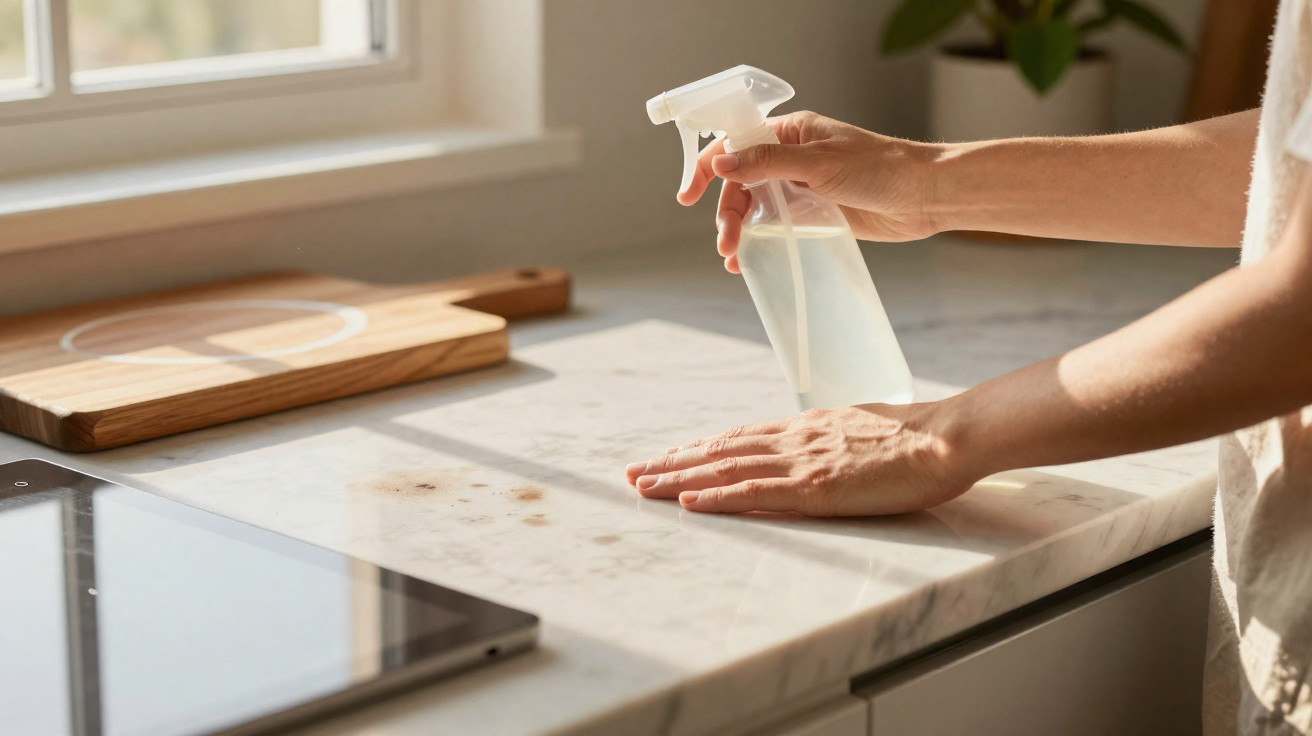
A worktop made from marble, granite, travertine or engineered stone immediately brings warmth to a kitchen. It also needs more care than ordinary laminate. White vinegar, even when diluted with water, can damage the surface and create dull, hazy patches, especially in areas regularly cleaned around the sink.
The situation is familiar: someone sprays vinegar onto a lemon or coffee ring, leaves it for a few minutes, then wipes it away with a microfibre cloth. The stain appears to have gone, yet a paler mark becomes visible in the evening light. On marble, this is not necessarily dirt: the acid may have etched the stone itself.
Natural stone often contains calcium carbonate, which is particularly vulnerable to acidic products. Vinegar triggers a chemical reaction that damages the protective finish, sometimes after the very first use. Cleaning should never make a surface look as though it has been sanded down. For routine care, a damp cloth and a pH-neutral cleaner are far safer choices.
Wood and appliances: where white vinegar can prove costly
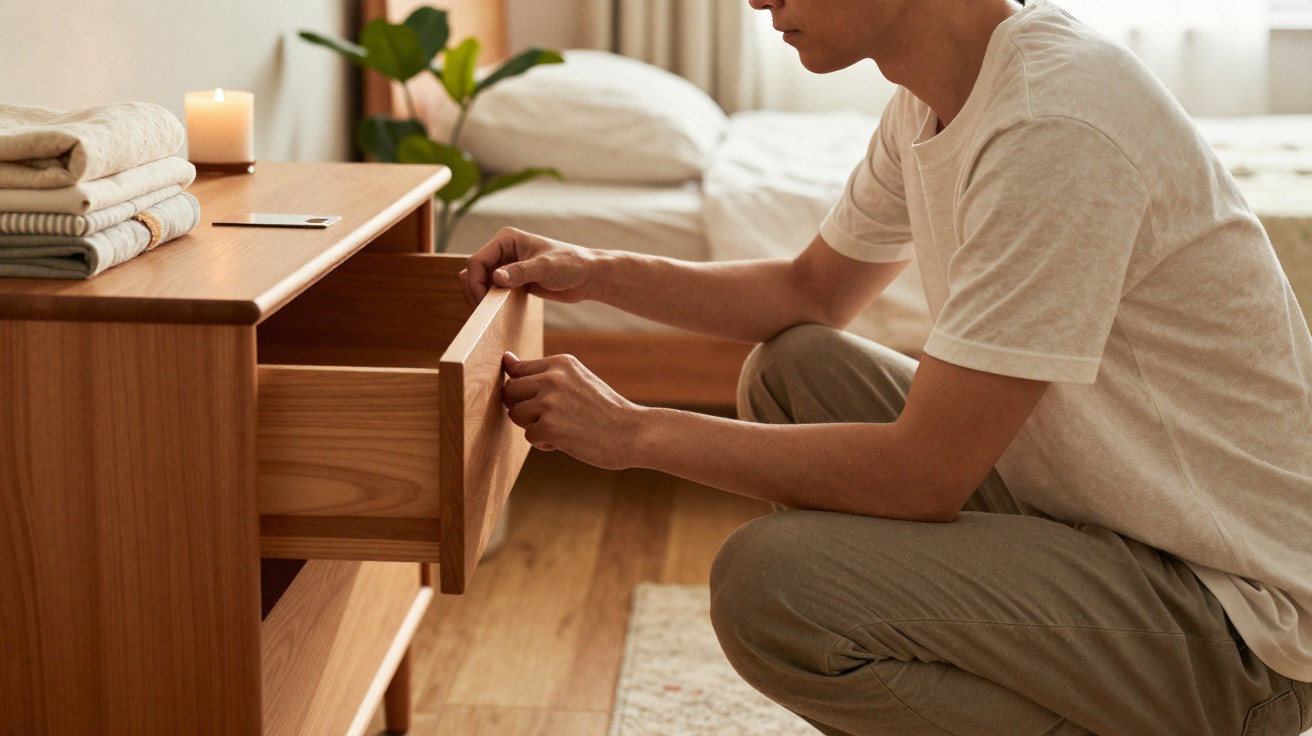
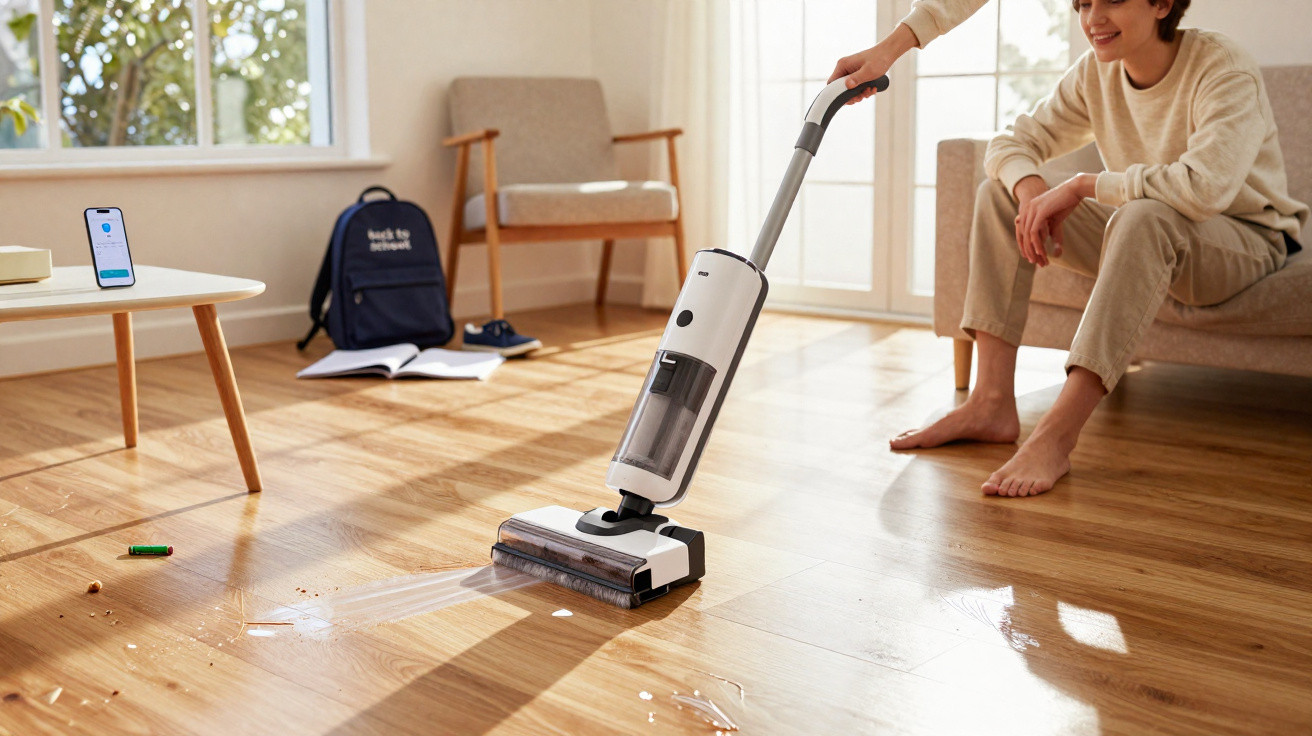
Number 2 is the one that tends to bring unwelcome surprises: wooden floors and furniture. On varnished, oiled or laminate flooring, white vinegar can cause harm within a few weeks when it becomes part of the cleaning routine. Repeated use may weaken the finish, dull high-traffic areas and encourage moisture to seep between the boards.
The mistake is understandable, as one recipe is shared everywhere: a glass of vinegar in a bucket of water to make the floor shine. Let us be honest: on a Saturday morning, amid crumbs, shoes in the hallway and a lack of time, nobody really measures every dose. A mixture that is too concentrated, used on an already worn floor, can quickly leave parquet flooring less bright and more exposed to damage.
Vinegar should also be kept away from rubber seals and sensitive parts in certain appliances, including dishwashers, washing machines and coffee machines. Over time, it can dry out seals and it is not a substitute for the descaling products specified by manufacturers. One simple rule is worth remembering: check the manual before turning an expensive appliance into a grandmother's laboratory.
Screens, delicate metals and better alternatives to vinegar
Television, computer, phone and tablet screens do not cope well with improvised sprays. Vinegar may damage the anti-glare or anti-smudge coatings applied to some displays. The action may seem harmless, particularly when dealing with a stubborn fingerprint, but a dry microfibre cloth or one lightly dampened with demineralised water is preferable.
Metals such as aluminium, copper and certain chrome-plated items require the same caution. Vinegar can cause staining, oxidation or loss of shine, particularly on handles, frames, unprotected pans and decorative accessories. A product that makes a stainless-steel tap sparkle is not automatically suitable for every metal in the home.
Cleaning professionals often repeat one phrase:
“An effective product is not a universal product: it all depends on the surface you want to save.”
- For wood: use a cleaner designed for parquet flooring and a mop that has been very thoroughly wrung out.
- For stone: choose a mild, pH-neutral soap, with no acid or abrasive ingredients.
- For screens: use a clean microfibre cloth, without spraying directly onto the display.
- For appliances: use the descaling product recommended by the brand.
Effective cleaning often starts with using less product
White vinegar is not the enemy: it remains useful against limescale on a suitable shower screen, in certain kettles, or for deodorising a compatible surface. Its reputation as a miracle solution simply makes it easy to forget that it is an acid. A well-maintained home does not need aggressive cleaning to feel healthy and welcoming.
Before reaching for the bottle, checking the material can save time, money and regret. Testing a small concealed area can sometimes remove any doubt, while a manual forgotten at the back of a drawer may prevent an expensive repair. These habits may seem minor, but they improve daily life: fewer dulled surfaces, fewer items needing replacement, and the pleasing sense that the home is ageing well.
| Key point | Detail | Added value for the reader |
|---|---|---|
| Natural stone | Vinegar attacks calcareous surfaces such as marble and travertine. | Prevents dull rings and damaged finishes. |
| Parquet flooring and wood | Acidity gradually weakens varnishes, oils and seals. | Maintains the floor's shine and limits moisture-related damage. |
| Screens and appliances | Technical coatings and seals do not withstand repeated acidic cleaning well. | Protects everyday equipment and avoids unnecessary replacements. |
Comments
No comments yet. Be the first to comment!
Leave a Comment