
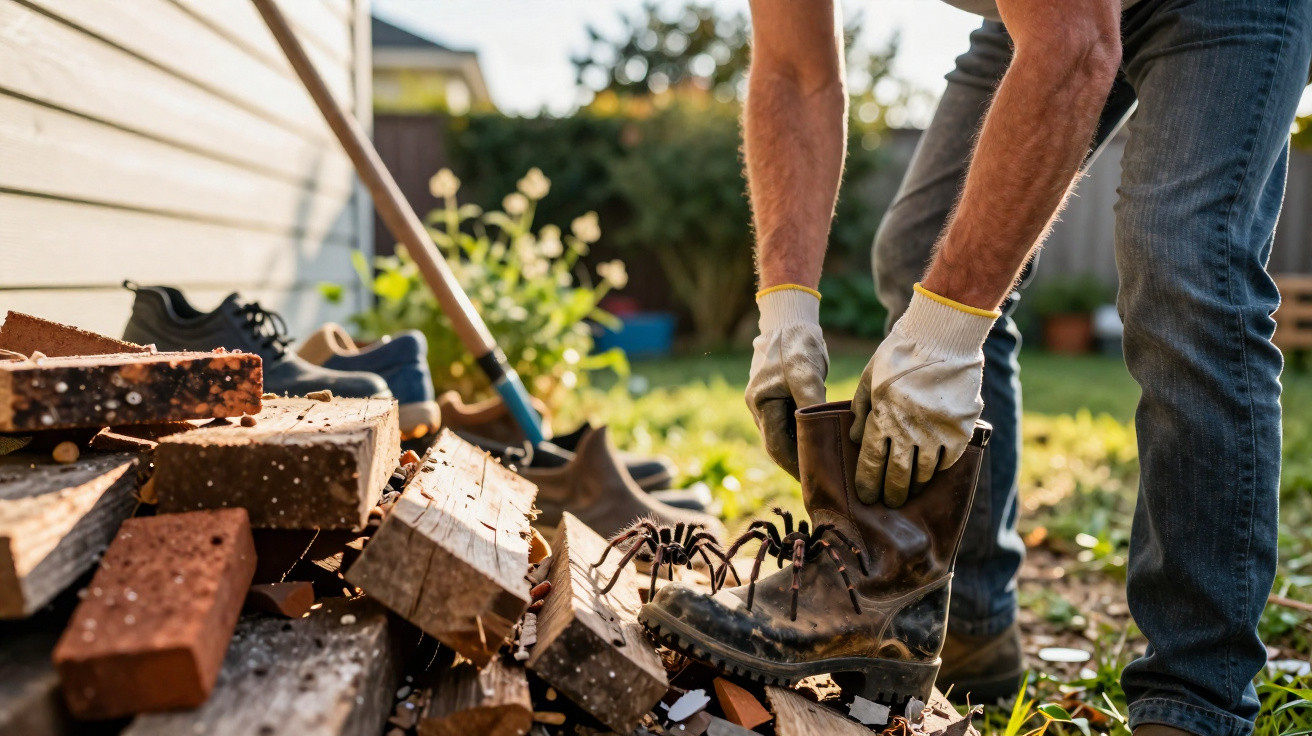
Keeping outdoor areas tidy is vital for protecting the family from venomous animals in everyday life. Piles of materials create ideal conditions for the spread of the feared Brazilian wandering spider, so removing these damp hiding places is essential to prevent serious accidents inside the home itself.
Why do wood piles attract spiders?
Stacks of firewood left in the garden provide constant shade and readily retain large amounts of rainwater. Together, these factors create a dark microclimate in which stored wood maintains the moisture needed to shelter dangerous nocturnal predators around the property.
Many people are caught unaware when collecting firewood without suitable personal protective equipment. By handling materials that have been left on the ground, a resident may come into direct contact with logs occupied by aggressive spiders, causing painful bites very quickly during routine tasks.
How can you repel spiders with simple household items?
Some everyday kitchen ingredients can provide natural barriers against arachnids in a practical way, without chemical products… Read more
How does accumulated rubble encourage these arachnids?
Building waste produces deep gaps and hard-to-reach corners between stacked blocks and broken roof tiles. Bricks arranged haphazardly shield the animals from direct sunlight, turning construction rubble into a secure, permanent refuge on a residential property.
These piles of waste also provide a favourable environment in which the spider's natural prey can gather. Small insects take shelter beneath heavy slabs, attracting scorpions and cockroaches, which serve as a daily feast for the predatory species living there.
Below, watch the video from the Celso Cavallini (YouTube) channel on YouTube, which explains important details about the species' behaviour:
What risks are associated with stored shoes and objects?
Items rarely used in dark storerooms often attract arachnids seeking a safe daytime refuge. Leaving shoes and boxes scattered on the floor of garages creates the ideal hiding spot for spiders looking for enclosed surfaces where they can rest undisturbed.
Getting dressed for work is one of the situations in which people are most vulnerable at home. Putting on boots stored in outbuildings without checking them first can trap the animal against the skin while putting them on, resulting in immediate, painful envenomation incidents.
Care for Shoes and Stored Objects
Protective measures: Adopt simple preventive habits before using items kept in dark places:
- Shake out shoes and boots before putting them on;
- Store pairs in sealed boxes or plastic bags;
- Check dark, sheltered corners of garages and storage areas.
Where does the Brazilian wandering spider usually hide in the house?
In addition to outdoor spaces, these animals can move into indoor rooms when searching for a dry, cool shelter. They climb heavy curtains in living rooms or settle beneath plant pots placed near doors leading to the home's garden.
Dark corners behind cupboards and chest of drawers offer the peace and quiet the species needs to remain concealed. The area behind large furniture and utility sinks in the laundry room requires extra care during regular cleaning to prevent unexpected encounters with the animal.
Pay close attention to the main sheltering spots that require thorough inspection:
- The back of sofas, wardrobes and heavy shelving units;
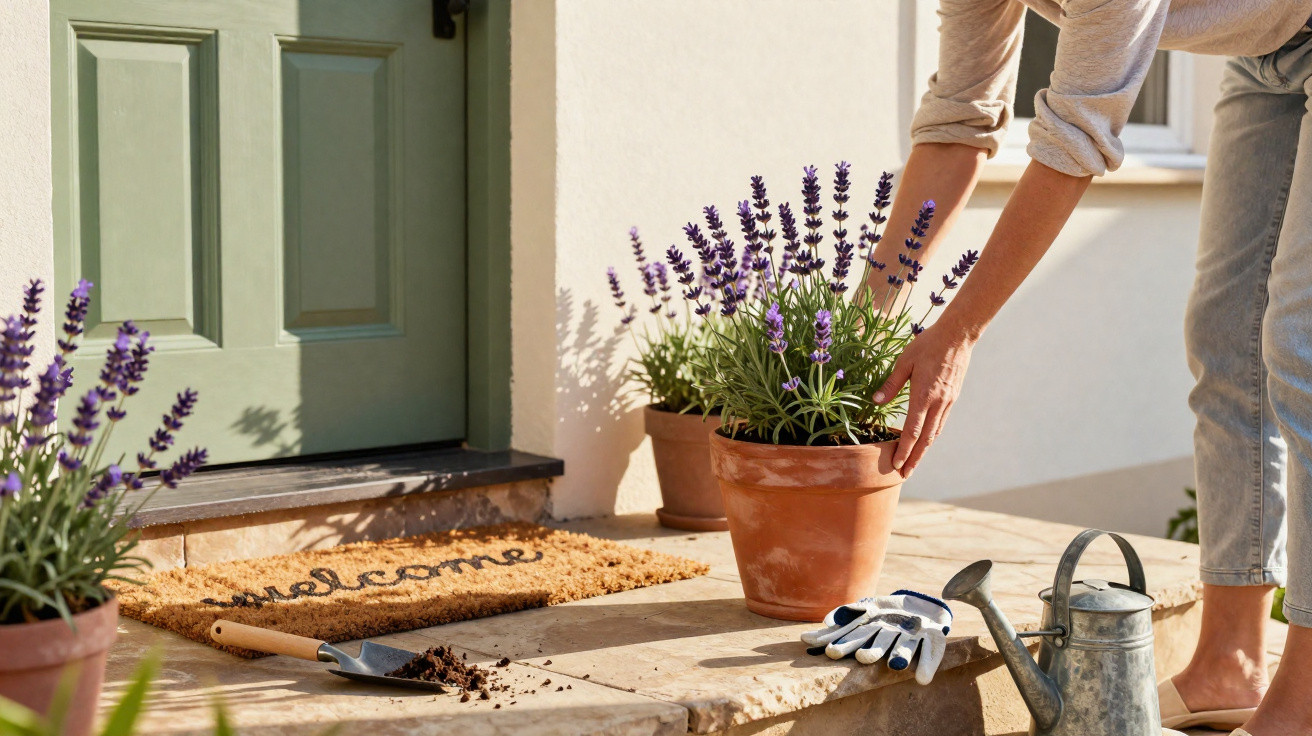
- The underside of large pots on the patio;
- Spaces between hanging fabrics and long curtains;
- Areas near drains and damp corners in laundry rooms.
How can you prevent these arachnids from being present on the property?
Following a strict maintenance routine is the most effective way to keep the home environment safe. Frequent cleaning prevents unnecessary rubble from building up in the garden, removing the damp conditions and shelter that attract these venomous animals.
Before picking up any tool or stored material, the resident should always inspect the area visually. Wearing tough leather gloves when carrying out manual work protects hands from accidental bites should a Brazilian wandering spider be hidden among the objects.


Comments
No comments yet. Be the first to comment!
Leave a Comment