
Finding forgotten tubers at the back of the pantry is common in many Brazilian homes. Once these vegetables begin to sprout, they are not recommended for eating, but smart reuse offers a sustainable alternative for everyday household cleaning.
Why should a sprouted potato not go straight into the bin?
The appearance of shoots signals a higher concentration of solanine, making the food unsuitable for family meals. Rather than disposing of it prematurely, however, the vegetable’s internal structure retains components that can be used in the care of various household glass surfaces.
This practical use turns a forgotten ingredient into an affordable option for routine upkeep. It supports household savings while replacing conventional products with environmentally friendly alternatives that cut costs and prevent unnecessary waste of organic resources.
How can banana peel refresh household cleaning?
Rubbing the inside of this fruit over dull surfaces releases natural nutrients that restore shine with little effort… Read more
How does the starch in a sprouted potato work on glass surfaces?
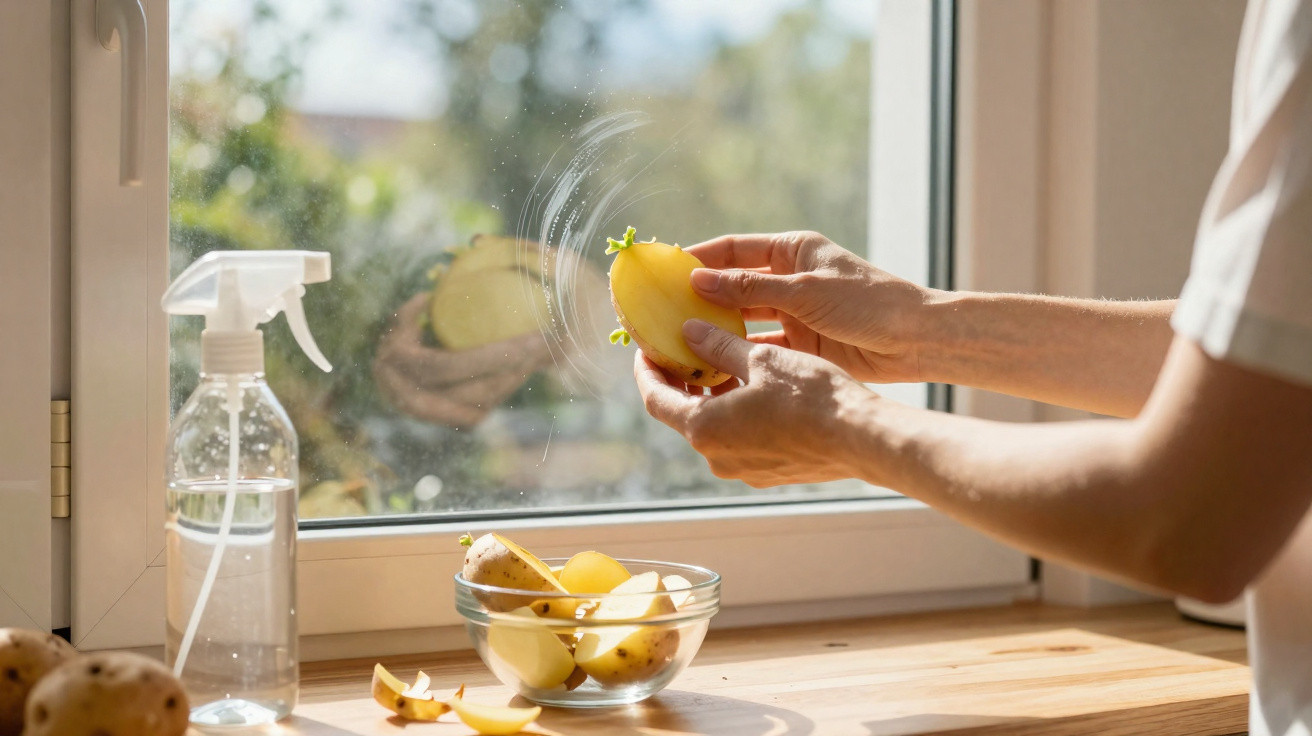
The natural starch released when the tuber is cut forms a gentle layer that interacts with built-up dirt. This substance can break down grease marks and dust without scratching the material, providing an effective action when polishing mirrors and windows.
As well as removing visible impurities, this protective coating stops steam droplets and water splashes from lingering on the reflective surface. Its repellent effect allows liquids to run off freely, maintaining clear visibility for a considerably longer period.
Below is a video from the YouTube channel Se vira nos 50 – Receitas e Dicas demonstrating the practical use of this trick on a mirror:
What are the essential steps for using this homemade solution?
The method is very straightforward and requires neither complex equipment nor harsh chemical products. Simply cut the vegetable in half and rub its moist flesh directly over the chosen area, distributing all the liquid content evenly and consistently.
Once the entire surface has been covered, allow the film to dry naturally or give it a light rinse with clean water. This simple approach removes the need for fluffy cloths and prevents leftover marks, delivering a glossy finish with surprising practicality in the household routine.
Application guide
Steps for the perfect shine
Follow these straightforward stages to create the best protective coating on glass surfaces:
- Cut the sprouted potato in half, keeping its inner moisture intact;
- Rub the flesh directly onto the mirror using circular movements;
- Let the layer dry or rinse it lightly to notice the waterproof effect.
Where in the home does this method produce the best results?
Bathroom mirrors benefit most from this innovative technique because of the steam created by hot showers. The starch prevents excessive misting, making the room more functional and ensuring the reflection stays clear without the need for constant cleaning.
Other glazed areas around the home can also receive this coating to prevent the build-up of dust and fingerprints. Applying it to transparent partitions makes spaces easier to maintain, creating a pleasant feeling of continuous organisation throughout the property.
These are some of the recommended surfaces for using this technique as part of the routine:
- Bathroom and cloakroom mirrors exposed to frequent steam;
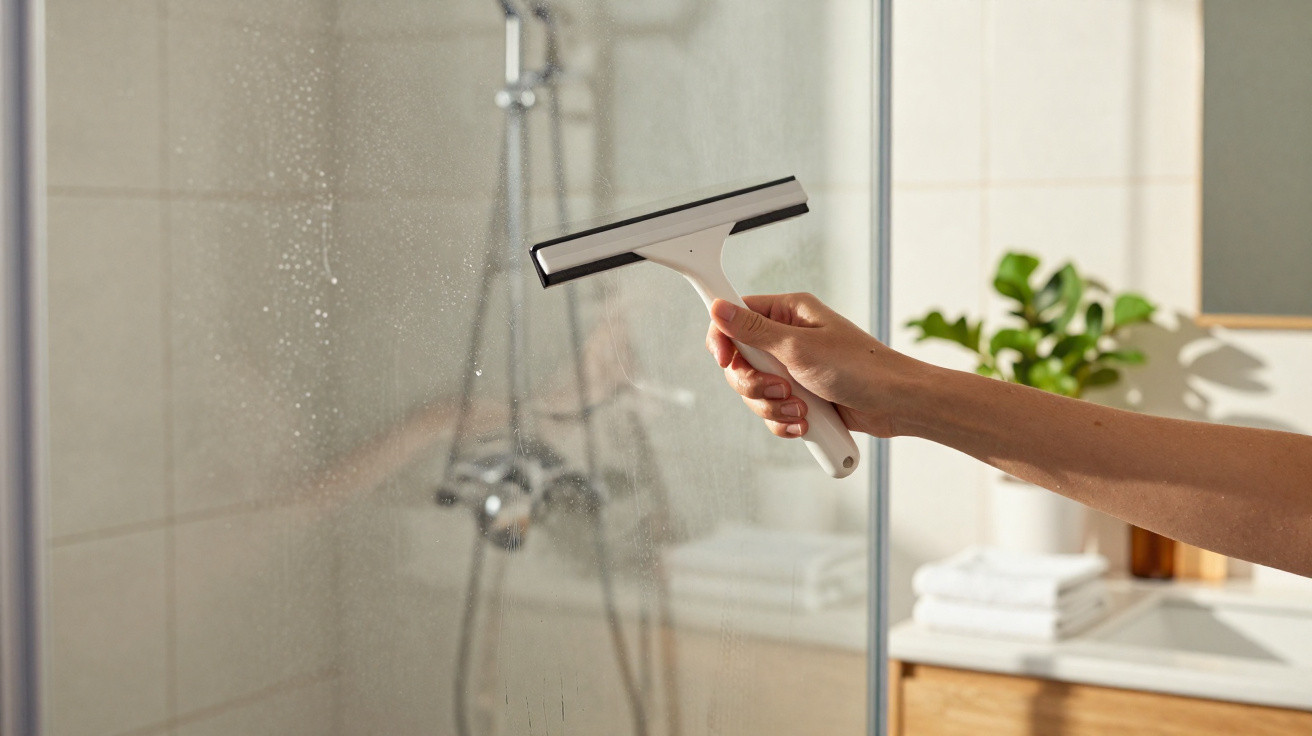
- Toughened-glass shower screens that collect soap and water splashes;
- Windows and sliding doors exposed to dust and touch marks.
How does this reuse support sustainability?
Giving food that has lost its culinary value another purpose strengthens environmental awareness within the family routine. Tackling waste starts with small choices that value organic matter before it becomes ordinary kitchen rubbish.
In addition, reducing reliance on manufactured products protects the household budget and lowers the amount of plastic packaging thrown away. Making these simple practices part of everyday life establishes healthy habits that combine financial efficiency with respect for the environment.




Comments
No comments yet. Be the first to comment!
Leave a Comment