
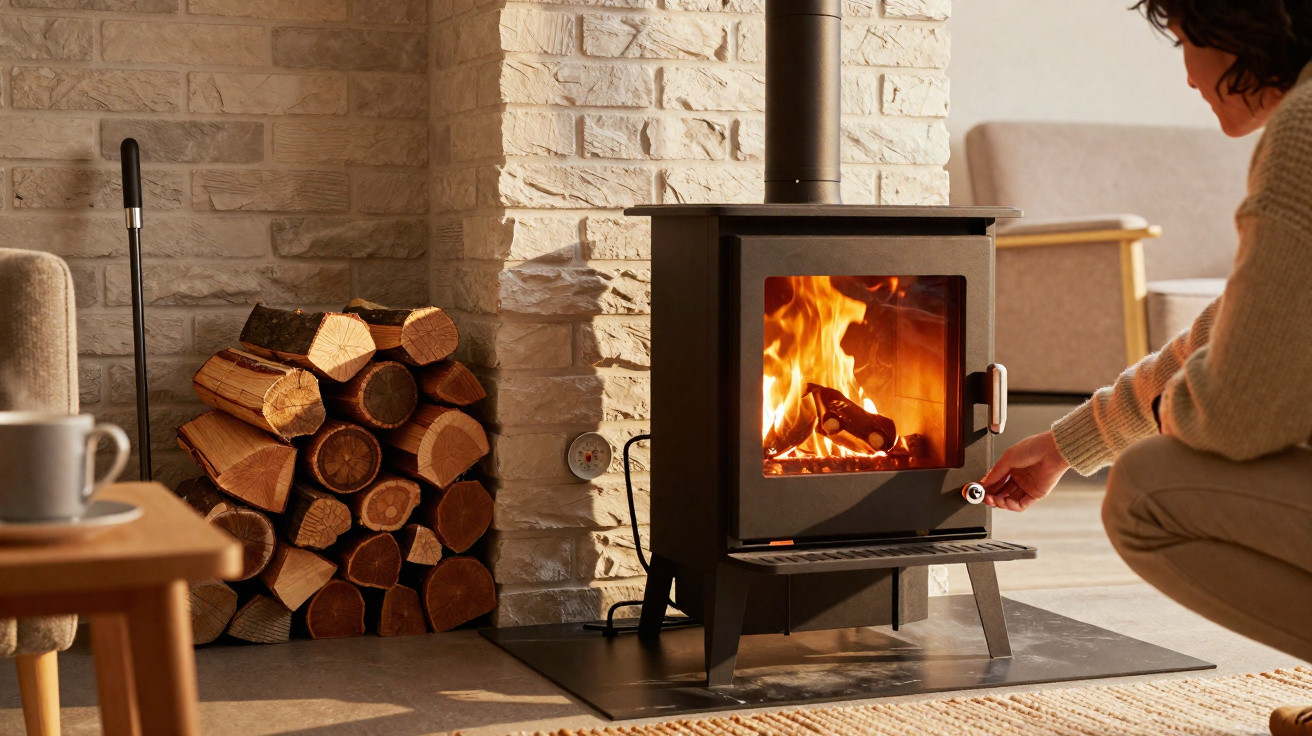
A small tweak can make your wood burner noticeably more powerful.
More and more households are turning back to a fireplace or wood burner to cut gas and electricity bills. Yet many people are puzzled: even with the firebox piled high, the living room still won’t properly warm up. The cause is often not the stove itself, but a low-profile (and frequently put-off) job that affects output, safety - and what you spend on heating.
The overlooked lever for more heat
When you heat with logs, you usually focus on well-seasoned wood, the right air settings, or a smart lighting technique. However, the biggest heat thief is often somewhere else entirely: in the flue.
"A clean chimney draught can almost double the usable heat from your wood burner."
As the heating season goes on, soot, ash and combustion residues can build up inside the chimney, making the draught sluggish. Smoke gases then rise less effectively, the flame looks dull, and the stove feels “tired”. A lot of energy is lost up the chimney or lingers as smoke in the firebox instead of arriving in the room as comfortable radiant heat.
With a clear, clean draught, the stove can effectively “breathe”: the flame burns hotter, the wood combusts more completely, and far more heat is transferred into the stove body.
Why a clean chimney draught makes such a difference
Every wood fire produces soot, tarry deposits (often called creosote) and fine particles. These cling to the inner walls of the chimney and gradually form a thick layer. That brings several knock-on effects:
- The flue’s effective diameter reduces, so extraction gets worse.
- Airflow slows down, meaning smoke lingers in the system longer.
- The flame receives less oxygen and burns at a lower temperature.
- More unburnt gases travel upwards - and the build-up accelerates.
You’ll notice it day to day: the fire struggles to draw, the glass soots up constantly, and you burn more logs to reach the same temperature. Turn that around and it’s clear what helps: a free-flowing, well-maintained draught delivers markedly more heat from the very same logs.
Typical warning signs of a blocked chimney
A chimney rarely clogs overnight - it usually creeps up on you. Take these signs seriously:
- A strong, unpleasant soot smell, especially when lighting.
- Smoke spills back into the room even with the stove door shut.
- The stove takes noticeably longer to warm the space.
- You use more wood than you used to, but get less heat.
If any of these show up, it’s time to act - not just for comfort, but for safety too. Heavy soot deposits increase the risk of a chimney fire and, in the worst case, can lead to carbon monoxide entering your home.
How to look after your chimney draught properly
Chimney cleaning and inspection should, as a rule, be carried out by a qualified professional - and in many areas it’s a legal requirement anyway. Between scheduled visits, though, there are several things you can do yourself to keep your stove running well.
Routine DIY upkeep - what you can do yourself
- Give it a brush: A traditional chimney brush with rods (or a rope system) is often enough to shift light deposits. If you’re confident and have safe access from the top, you can carefully brush through yourself - ideally every few months during the heating season.
- Use specialist cleaning logs: You can buy cleaning/sweeping logs. They burn like normal fuel but release agents that soften and loosen deposits in the flue. They’re not a replacement for a professional sweep, but they can extend the time before a heavier clean is needed.
- Don’t let ash build up in the firebox: A thin layer of ash can help when lighting, but a thick bed restricts airflow and reduces heat transfer. Empty it out regularly.
"Rule of thumb: a professional should attend at least once a year - heavy users are better off with two visits."
Good wood - half the battle for a strong draught
Even a spotless chimney won’t perform well if the fuel is wrong. Damp, poorly stored wood produces lots of smoke and deposits, but relatively little heat. The best option is properly seasoned hardwood such as beech or oak with a moisture content below 20%.
Practical pointers when choosing and storing logs:
- Store wood for at least two years in a well-ventilated stack, protected from rain.
- Use split logs only, not wet, unsplit rounds.
- Bring logs indoors only shortly before you plan to burn them.
| Wood type | Heat output | Tendency to soot when stored dry |
|---|---|---|
| Beech | high | low |
| Oak | high | low to medium |
| Spruce/Fir | medium | rather high (lots of resin) |
How to control combustion for better efficiency
A strong-performing stove needs more than a clear draught - it also needs sensible operation. Simply cramming in as many logs as possible is, quite literally, burning money.
- A gentle start, not a fireball: Begin with a small, loosely stacked kindling load. This gets the draught moving and warms the chimney gradually. Only once the stove is drawing well should you add larger logs.
- Avoid overfilling: A jam-packed firebox may look “well fed”, but it starves the flame of oxygen. You’ll do better with fewer logs burned hotter and more completely.
- Use the air controls properly: The sliders and vents aren’t just for show. Open the air supply fully when lighting, then reduce it only once the logs are burning strongly. Cutting air too early causes soot and a blackened window.
- Don’t burn rubbish: Cardboard, printed paper or painted/varnished wood release extra pollutants, dirty the flue and can leave sticky deposits.
More comfort, lower costs - why the effort is worth it
If you keep the chimney draught in good order and combine that with clean, dry wood and sensible firing technique, you’ll feel the difference quickly. Rooms warm up faster, the heat lasts longer, and your log pile shrinks far more slowly.
"Many stove owners report that after a thorough clean they get almost twice as much noticeable heat from the same amount of wood."
There are clear additional benefits: a free-flowing draught reduces the risk of chimney fires, there’s less soot in the home, and the stove glass stays cleaner for longer. Neighbours benefit too, as less dense smoke leaves the chimney.
What many people overlook: legal requirements and safety rules
Beyond practical benefits, there’s also the regulatory side. In many districts, regular checks by a chimney sweep are mandatory. Ignore those appointments and you may face problems with your insurer if anything goes wrong.
In well-insulated homes with airtight windows, it’s also sensible to fit a carbon monoxide alarm in the room where the stove is installed. If the draught is disrupted or a blockage develops out of sight, you’ll get an earlier warning.
Using wood heating properly - small extras with a big impact
If you want to squeeze the most out of your stove, a few add-ons can help. A fan to distribute warm air around the room, or a simple soapstone top that stores heat, can extend the cosy effect significantly.
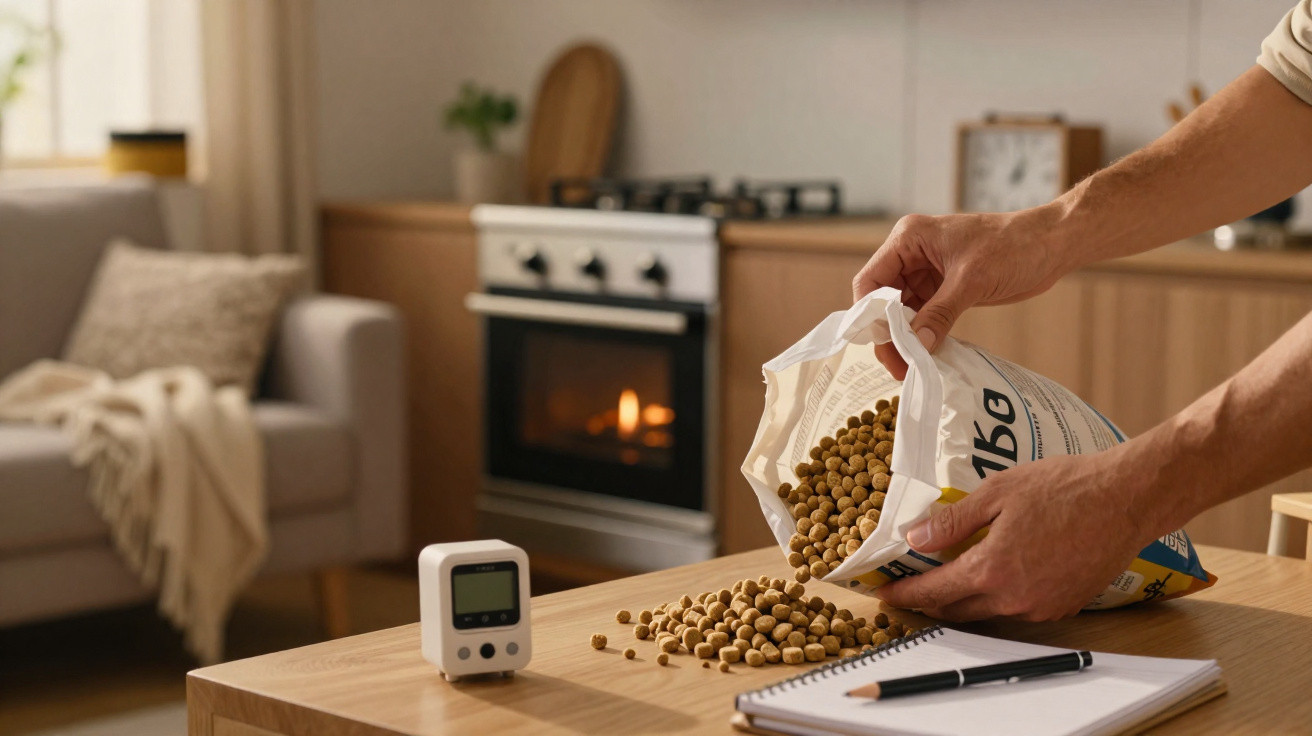
At the same time, it’s worth tracking your own usage: how many logs do you burn on a typical winter day, and how does that change after a thorough chimney sweep? If you jot down the differences, you’ll quickly see how strongly a clean draught and good wood work together - and how much money otherwise, quite literally, goes up in smoke.


Comments
No comments yet. Be the first to comment!
Leave a Comment