
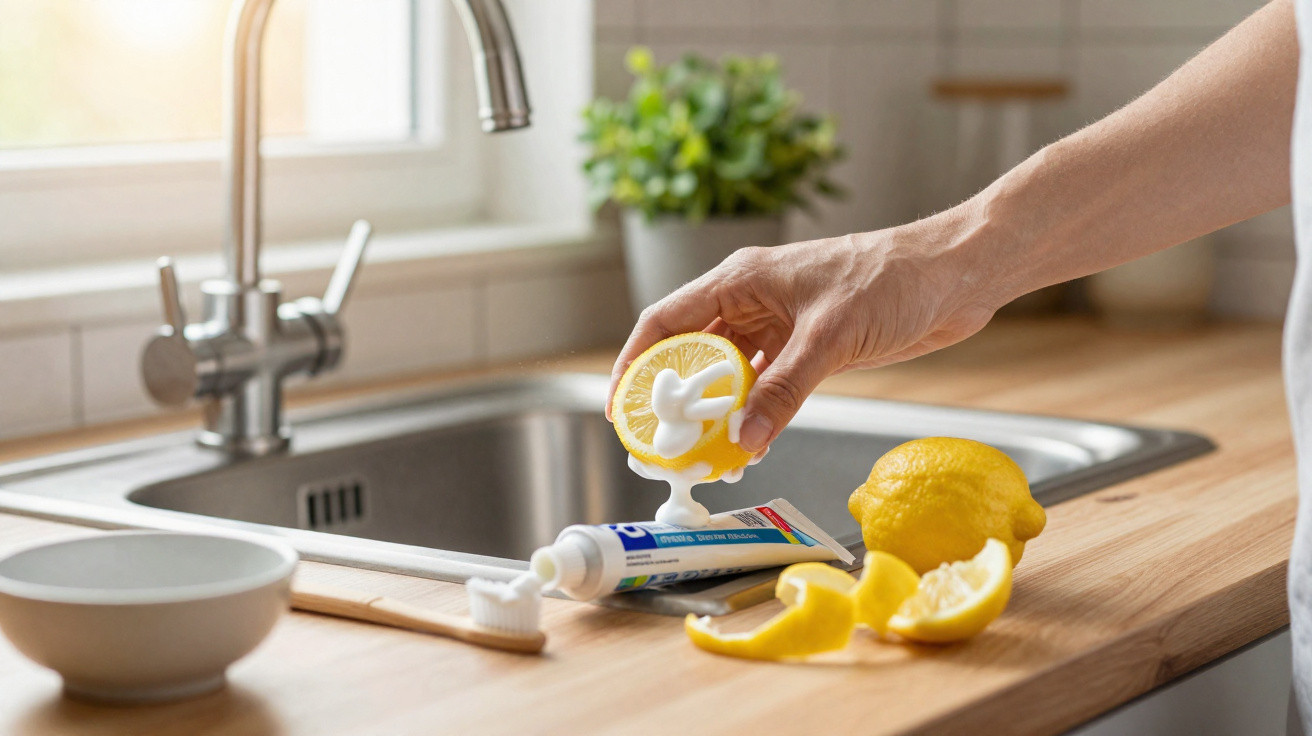
Among the kitchen items that often end up overlooked, lemon peels are a clear example of waste that could be put to better use. When paired with an everyday personal-care product such as toothpaste, they become a notable mixture in the world of household hacks, particularly for cleaning jobs and tackling unpleasant smells in different parts of the home.
What is mixing lemon peels with toothpaste used for in cleaning?
A mixture of lemon peels and toothpaste is chiefly mentioned for cleaning washing machines and other household surfaces. Lemon provides a strong fragrance and contains substances that can help neutralise powerful odours, while the peel holds essential oils that can absorb and mask bad smells.
Toothpaste includes mild abrasive agents, detergents and compounds such as fluoride, allowing it to work as a light cleaning cream. Mixed with lemon peel, it forms a paste with some cleaning and deodorising capacity, which can be useful as an additional measure but does not replace technical maintenance for appliances.
How can lemon peels and toothpaste be used at home?
This homemade combination is not restricted to washing machines and is commonly used on small areas with light marks or unpleasant odours. It is always advisable to test it first on an inconspicuous spot to prevent damage to delicate materials, as lemon acidity and the abrasiveness of toothpaste may affect certain surfaces.
In everyday use, one frequently cited method is to apply toothpaste to half a lemon or to pieces of peel, then run a short hot-water cycle in the chosen appliance. Common examples can be outlined as follows:
- Freshening the inside of washing machines or dishwashers by using lemon peels with a thin layer of toothpaste during a short cycle.
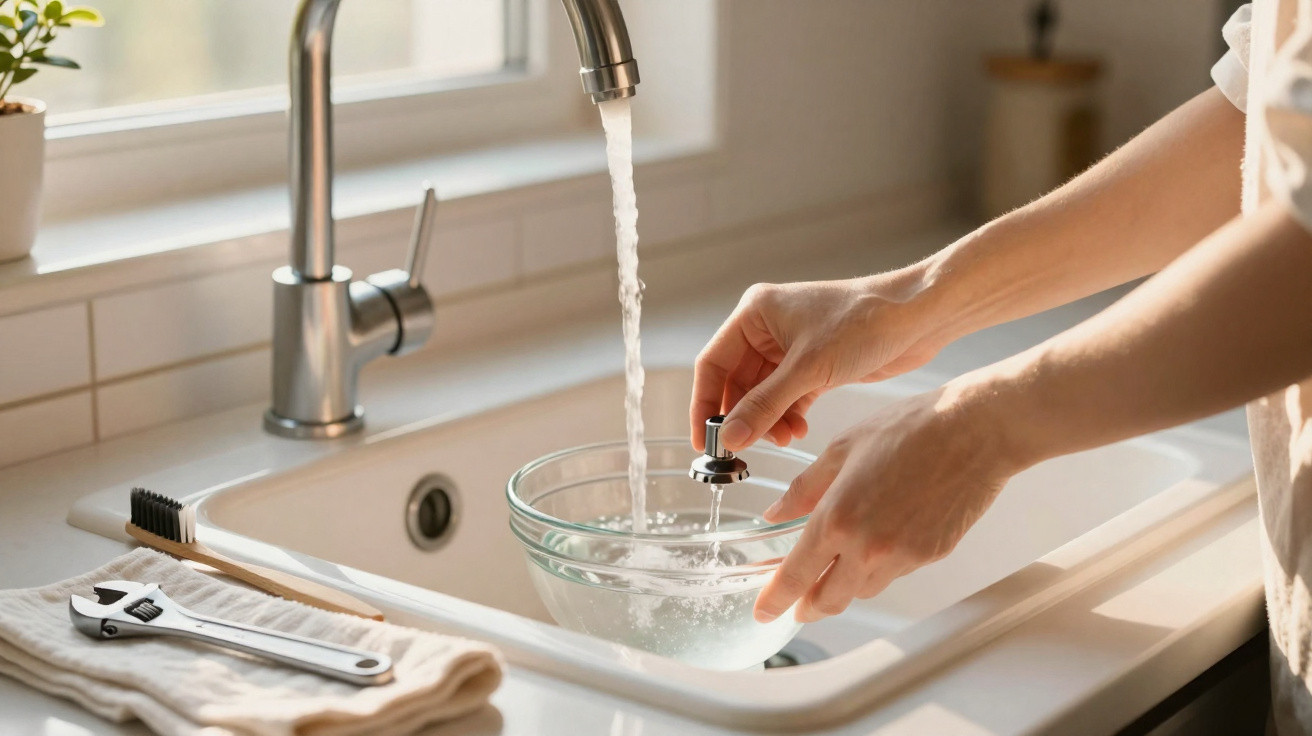
- Cleaning small stainless-steel areas, such as handles or taps, by rubbing gently and rinsing afterwards.
- Removing lingering smells from plastic containers by rubbing the inside with the mixture and rinsing thoroughly afterwards.
- Deodorising a bathroom in a targeted way by leaving a peel with a small amount of toothpaste in a corner briefly, then removing it.
Is it safe to use lemon peel and toothpaste to whiten teeth?
Some people view this combination as a potential trick for whitening teeth, based on the acidity of lemon and the abrasive action of toothpaste. However, dentists warn that applying it directly to teeth may be harmful, especially when done frequently or without professional supervision.
Lemon peel and juice contain acids that weaken enamel and, when combined with the abrasive agents in certain toothpastes, may contribute to wear and sensitivity. For this reason, using this mixture directly on teeth is not advised; instead, choose products with sanitary registration or professionally supervised whitening treatments at a dental practice.
What other safe uses do lemon peels have at home?
Outside dental use, lemon peels have several gentler household applications that can help reduce waste. They can provide an aromatic boost during routine cleaning when combined with hot water or white vinegar, acting as a natural fragrance in the kitchen or bathroom.
They are also often used in homemade preparations, including mild all-purpose cleaners infused in vinegar, deodorising sachets for cupboards and drawers, or small decorative additions with a citrus scent. In this way, the peels become a practical and versatile resource, while combining them with toothpaste is best kept for occasional cleaning tasks and always approached with caution according to the type of surface.



Comments
No comments yet. Be the first to comment!
Leave a Comment