
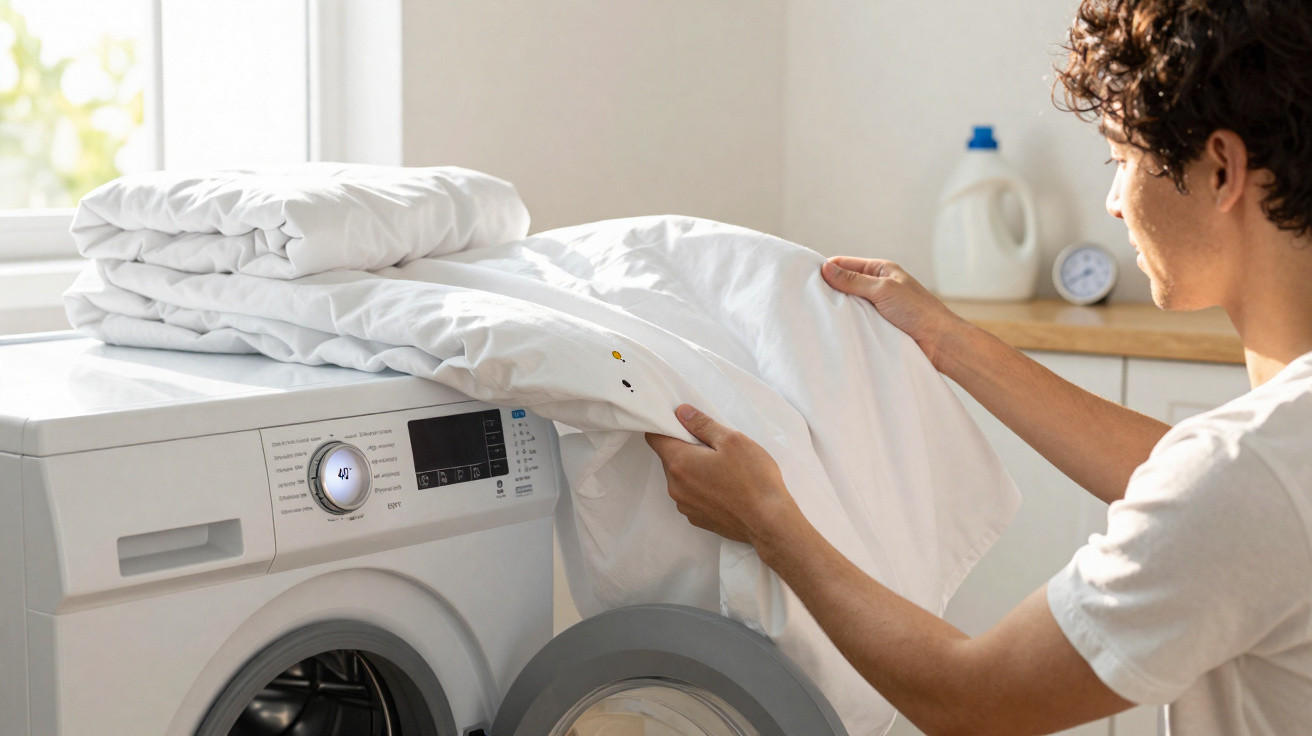
A fresh-smelling duvet cover can give a reassuring impression, but that scent is not a measure of hygiene. Bacteriologists see the common 40°C wash as more of a comfort illusion.
For everyday laundry, 40°C feels like the sensible middle ground: sheets look clean, feel soft and keep energy use down. Yet there is a hidden downside to this routine. Specialists in bacteriology and allergies warn that washing bedding mainly at 40°C leaves many dust mites and germs in the fabric.
What 40°C really achieves in the washing machine
In many homes, bedding goes into a standard or Eco cycle at 40°C. Washing machines are designed for it, as are detergents. At first glance, everything seems fine: stains lift, the laundry smells pleasant and the sheets look clean.
A recent study using enzyme-based detergent even found that, in an average healthy household, up to 99% of the tested bacteria can be removed at 40°C. That sounds impressive, but it only addresses part of the issue.
The lasting burden in a bed is house dust mites and their droppings. These tiny creatures live deep within the fibres and feed on skin flakes. Sweat, body oils, skin debris and dust all build up in our sheets night after night.
40°C can leave bedding smelling fresh and looking clean, but most mites and some germs survive the wash largely unaffected.
According to specialists, below around 60°C only about 6 to 10% of mites are removed in a standard wash. The water temperature is close to body temperature. It may disturb microorganisms, but it does not reliably destroy them. For sensitive people, allergy sufferers or those with respiratory conditions, this can become a real concern.
What happens in bed every night
The body keeps working while we sleep. Producing up to one litre of sweat a night is perfectly normal. This contains:
- water and salts from sweat
- skin oil (sebum)
- shed skin flakes
- dust particles from the surrounding air
All of this is absorbed by the bedding. What feels like fresh night-time laundry to us is a well-stocked meal for mites. They multiply there, while their droppings accumulate in the fabric. These particles are considered a main trigger for house dust allergies, with symptoms such as a blocked nose, sneezing, itchy eyes or coughing.
From the outside, a bed may appear tidy and clean, while a quiet ecosystem continues inside the fibres. This is where bacteriologists and allergists draw a clear distinction: visible cleanliness is not the same as hygienic cleanliness.
From 60°C, the situation changes
Laboratory and real-world data show a clear turning point: from around 60°C, provided the wash cycle is long enough, the kill rate for mites and typical household germs rises sharply.
At roughly 60°C for at least an hour, mites are almost completely removed, and many types of bacteria are greatly reduced.
Temperature acts as a physical counterpart to detergent, agitation and water. The higher it is, the more effectively proteins and structures within microorganisms are damaged. Chemical additives such as disinfecting laundry products are often unnecessary in day-to-day washing when the temperature is right.
When a 60°C wash is genuinely worthwhile
Experts do not advise washing every item of bedding hot as a rule. Used selectively, however, the higher temperature offers clear benefits. A 60°C wash is especially useful in these situations:
- Acute infections in the household: After stomach bugs, flu or contagious skin conditions.
- Dust mite allergy: At least once a month for the affected person’s bedding.
- Heavy soiling: Blood, urine, vomit or other biological stains.
- Older people or those who sweat heavily: More residue tends to build up in the bed.
For these washes, experts recommend a conventional programme such as “Cottons”, “Bed linen” or an equivalent 60°C cycle, with a sufficiently long running time. The drum should not be packed to the brim, so water and detergent can reach every fibre.
How often should bed sheets really go in the machine?
Many people change their bedding by instinct, often every two or three weeks. For an average healthy family, different guidelines apply:
| Situation | Change interval | Recommended temperature |
|---|---|---|
| Healthy adults | every 7–10 days | 40°C, occasionally 60°C |
| Heavy sweating / heatwaves | at least weekly | 40–60°C |
| Dust mite allergy | weekly | regularly 60°C |
| Acute infection in the household | once symptoms have passed | 60°C |
How often bedding is changed matters almost as much as the temperature. Anyone using the same sheets for weeks gives mites and bacteria ideal conditions in which to multiply. Regular changes limit the amount of nutrients that can collect in the fabric.
40°C: when it is still acceptable
Despite the criticism, nobody needs to wash all bedding exclusively at high temperatures straight away. In a household without allergy sufferers, chronic respiratory illnesses or immunocompromised people, a careful 40°C wash can be enough as an everyday setting.
For this to work, a few points should be observed:
- Choose a long programme rather than an extremely short quick wash.
- Use an enzyme-based detergent that breaks down fats and proteins.
- Make sure bedding dries completely.
- Do not overload the drum, so textiles can move freely.
As an extra measure, some experts suggest adding half a glass of clear household vinegar to the fabric softener compartment. It can help neutralise odours and lightly reduce limescale in the fabric. Textiles that can tolerate it also benefit from time in a tumble dryer or direct sunshine on the washing line, as UV light has an additional effect on microorganisms.
Common mistakes when washing bedding
Many issues do not start with temperature, but with washing habits. Frequent pitfalls include:
- An overfilled drum: Sheets stick together, water circulates poorly and germs remain in the fabric.
- Insufficient drying: Damp or half-dry bedding put into a cupboard encourages mould and odours.
- Judging only by smell: A fresh scent says little about the germ load.
- Mixed loads: Washing towels, underwear and bedding together often prevents the best setting for every fabric.
Anyone who keeps these points in mind can get much better results even from a moderate wash cycle. For allergy sufferers, an allergy-friendly pillow and mattress cover that can also be washed at 60°C is worthwhile.
What mites really like – and how to spoil it for them
House dust mites are not exotic monsters, but ordinary housemates. They thrive when three conditions come together:
- a warm environment, similar to body temperature
- high humidity
- plenty of skin flakes for food
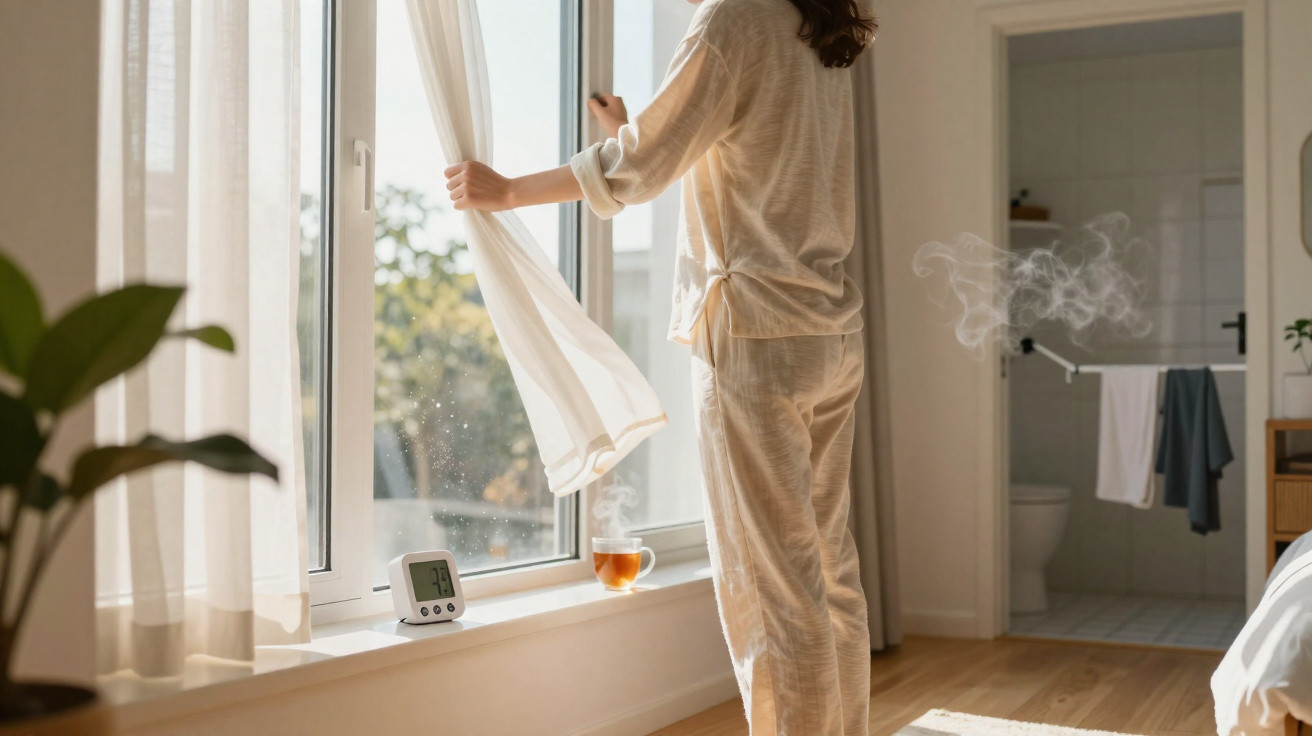
These factors can be influenced in the bedroom. Regular airing, avoiding a permanently high room temperature, not drying wet washing in the bedroom and using bedding that is not overly thick all reduce moisture in the bed. Combined with the right washing routine, this gradually creates a less appealing environment for these tiny arachnids.
People who react strongly can also use mite-proof covers for the mattress and pillows. These “encasings” prevent mites and allergens from escaping into the room in the first place. They should be washed at 60°C at least once or twice a year, while normal covers over them should be washed much more often.
How to balance hygiene, energy and everyday life
Many people hesitate to use 60°C because of electricity costs or concerns about the lifespan of their textiles. Modern washing machines and detergents handle these temperatures far more gently than they did in the past. A sensible middle way could look like this:
- Change bedding every 7–10 days.
- For everyday washing: use a 40°C cycle with a long programme and good detergent.
- Once a month: wash the most-used sheets and pillowcases at 60°C.
- During illness or allergy flare-ups: use 60°C consistently.
People who adjust their habits often notice a difference within a few weeks: less sneezing in the morning, fewer scratchy throats and less musty smell in the bedroom. The bacteriologists’ core message is therefore straightforward, but it has everyday consequences: what feels clean is not always what looks clean under a microscope. The temperature on the display helps determine how wide that gap is.




Comments
No comments yet. Be the first to comment!
Leave a Comment