
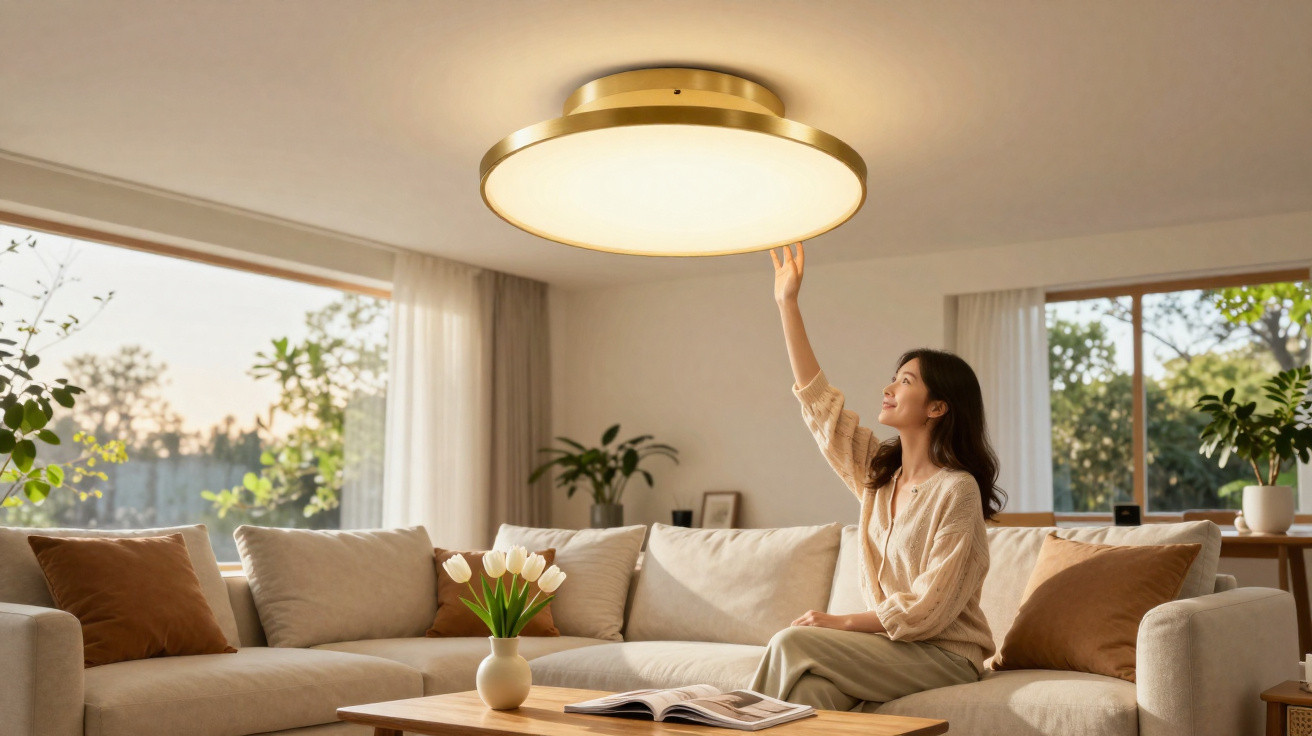
A different look is now stepping into the spotlight and transforming entire living rooms.
Anyone who has bought a lamp in recent years will know it: the woven pendant light made from natural materials, often sold as a symbol of ‘boho chic’. In many homes, it no longer fits the desire for calm, quality and fewer mass-produced items. This spring in particular, attention is turning to new materials that still feel homely, yet look far more grown-up and timeless.
Why the rattan boom is losing its appeal
When a trend hangs everywhere, it becomes generic
Rattan and raffia lamps are everywhere: in cafés, holiday lets, children’s bedrooms and showrooms. That ubiquity is precisely the issue. What was once seen as a relaxed break from convention can now feel like a standard solution from a furniture chain.
Many people feel as though they are sitting in the same living room time and again: pale wood, large beige sofas, a woven rug underneath and the obligatory woven lamp overhead. Those who see their home as a retreat are increasingly looking for pieces that do not appear in every other space.
“Living spaces feel calmer when not every object shouts trend, but instead reflects personality.”
There is also the fact that this highly natural, slightly rustic aesthetic works only to a limited extent with clean lines, metal detailing and high-quality fabrics. In modern, pared-back interiors, woven lamps can quickly look makeshift – almost like a temporary purchase.
More calm, less decorative fuss
Many interior designers are noticing a clear move towards a ‘slow living’ aesthetic: fewer items, better quality and a longer usable life. Lighting plays a central role here. A pendant light hangs exactly where people spend time every day, so it shapes a room’s mood more strongly than many a sofa.
The sought-after lights are those that:
- organise a room rather than overwhelm it;
- look like a design object even during the day;
- remain stylistically relevant for as long as possible, rather than appearing dated after two years.
This is where two materials, now increasingly seen in current collections and interior design projects, come in: tinted glass and ceramic.
Tinted glass: warm radiance instead of a woven look
How coloured glass changes the light in a room
Tinted glass is making a strong comeback – not on the drinks trolley, but on the ceiling. Amber, smoky grey, forest green and deep blue: the shades remain muted and elegant, while their effect is surprisingly striking.
Glass has one major advantage over natural fibres: it distributes light evenly. Rather than creating isolated, harsh beams, it produces a soft, warm brightness that suits living spaces well.
“A single glass globe above the coffee table can transform a room’s entire atmosphere – without new furniture or decorating work.”
Typical effects of tinted glass in the living room include:
- During the day, the lights resemble simple glass sculptures that reflect sunlight.
- In the evening, the tint creates a gentle, almost cinematic lighting mood.
- At dusk, attractive reflections appear on walls and furniture, making the room feel more alive.
Many designs are surprisingly affordable because glass can be efficiently manufactured on an industrial scale. Even one carefully selected glass globe can replace an old woven lamp without using up the entire budget for home updates.
Which interior styles work particularly well with glass?
Tinted glass is versatile and can be paired with, among other things:
- mid-century walnut furniture;
- minimalist sofas in wool or bouclé fabrics;
- black or brass metal shelving;
- concrete or stone floors that need a little softness.
For a more restrained effect, choose warm shades such as honey or smoke. Those feeling bolder can use a single deep-blue glass pendant as a focal point. What matters is that the lamp’s shape and colour suit the size of the room – in small living rooms, one large clear glass sphere usually works better than lots of tiny lights.
Ceramic: when the lamp becomes a sculpture
Handmade surfaces instead of flawless shine
The second major trend has a more earthy feel: ceramic pendant lights, often hand-thrown, with visible traces of craftsmanship. Minor irregularities, texture in the glaze and intentionally imperfect edges are exactly what give them their appeal.
Ceramic brings three compelling qualities:
- Character: Each lamp looks like an individual piece, even when it is mass-produced.
- Material depth: Matt or lightly glossy finishes capture light differently from metal or plastic.
- Durability: Ceramic does not warp, hardly fades and is made from natural raw materials.
“A ceramic pendant light does not simply hang there – it anchors the room, almost like an artwork.”
Natural shades dominate the colour palette: sand, ochre, terracotta, off-white and deep chocolate brown. This makes these lights an ideal match for wood, linen, wool and stone.
How ceramic lamps change the living room’s style
Anyone replacing a woven pendant light with a ceramic model will quickly notice that the room feels more grounded and, at the same time, more mature. The typical ‘seaside holiday cottage’ note fades into the background, replaced by a calm, almost studio-like character.
Ceramic lamps work especially well in rooms with:
- chunky wool-look rugs;
- solid oak or ash dining tables;
- linen curtains in natural shades;
- a small number of carefully chosen accessories.
If desired, combine two small ceramic pendant lights above a coffee table or bench. Asymmetrical shapes often feel more interesting than perfect circles.
How to hang glass and ceramic correctly: height tips
How much distance is ideal?
A new light at the wrong height can undermine the whole effect. A few straightforward guidelines help with planning:
- In areas where people walk beneath the lamp, its lowest point should hang around 2 metres above the floor.
- Above a coffee table, a height of about 1.60 metres is usually sufficient. This creates a visual island without getting in the way.
- Several small glass pendants look striking when suspended at different heights to form a relaxed grouping.
In period flats with high ceilings, it is worth using longer cables and bringing the lamp slightly further down into the room. In lower spaces, choose more compact shapes that sit close to the ceiling, so the room does not feel cramped.
Fine-tuning: which details complete the new look?
Combining metal, fabrics and colours effectively
Anyone switching to glass or ceramic should adjust a few accents in the living room so that the space feels cohesive:
- Tinted glass works well with brushed brass or matt black. Small side tables, frames or shelving can pick up this finish.
- Ceramic benefits from texture. Linen curtains, textured cushions and thick rugs support its handcrafted feel.
- Colour palette: Two or three main colours are enough. Too many shades take the spotlight away from the lamp.
A dimmer is practical, too: glass and ceramic lights respond sensitively to brightness levels. Turned down slightly, they quickly create a cosy evening setting; turned up, they are suitable for reading or working in the living area.
What to consider before buying
Quality, care and everyday lighting effect
Anyone moving from the ‘boho classic’ to glass or ceramic should not decide on appearance alone. Three factors pay off in the long term:
- Glass thickness: Very thin glass can look cheap and may produce unpleasant glare. Slightly thicker, high-quality glass is the better choice.
- Interior colour: With ceramic, the inside matters. Pale inner surfaces reflect more light, while darker ones create an intimate atmosphere.
- Cleaning: Glass attracts dust and shows fingerprints. A soft cloth is almost essential. Ceramic is less sensitive, but does not tolerate harsh cleaners.
If unsure, carry out a test before the final installation: fix the lamp temporarily, try different bulbs – warm white, neutral white and different brightness levels – and view it at several times of day. This makes it easier to assess whether the light stands up to everyday use.
Ultimately, saying goodbye to the standard woven lamp is especially worthwhile when the new model genuinely suits the way you live. Glass or ceramic can give a living room a defined, grown-up character without taking away the warmth that many people long for when they settle onto the sofa in the evening.




Comments
No comments yet. Be the first to comment!
Leave a Comment