
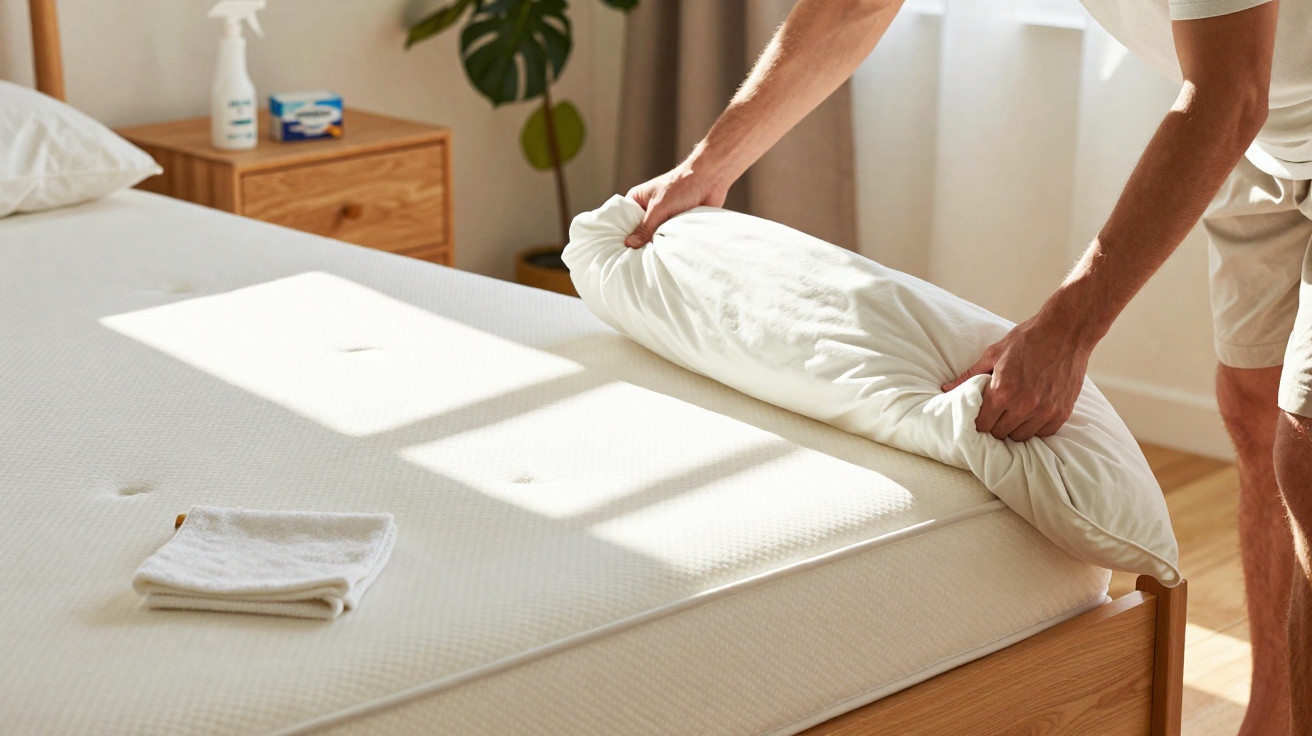
We vacuum carpets, mop floors and scrub the bathroom and kitchen. The bed is often overlooked, even though we spend many hours there every night. Looking after your mattress properly not only makes sleep more hygienic, but can also make it noticeably more comfortable – while helping you avoid an expensive replacement for longer.
Why cleaning your mattress is genuinely worthwhile
Every night, dead skin cells, sweat and dust find their way into the mattress. Over time, this creates an ideal habitat for mites and bacteria. You may not notice it straight away, but the effects build up:
- The mattress develops a musty smell.
- The cover becomes discoloured and stains remain permanently visible.
- Allergy sufferers experience more sneezing fits or itchy eyes.
- Sleeping zones lose their support, and back pain can occur more quickly.
"Anyone who cares for their mattress regularly can significantly extend its lifespan and noticeably improve their sleep quality."
The good news is that basic mattress care does not require a specialist company or professional equipment. A vacuum cleaner, a little time and a few straightforward habits are often enough.
First step: rotate and turn your mattress correctly
Over time, dips form in the areas where you lie most often. This is normal, but it can be slowed down considerably.
How often should you rotate your mattress?
- During the first year: rotate it roughly once a month.
- Afterwards: rotate it every three months.
For mattresses designed for use on one side only, a 180-degree rotation is sufficient: the former head end becomes the foot end. If your model can be used on both sides, you can turn it over as well. This spreads the load more evenly, helping the mattress stay supportive and comfortable for longer.
"Regular rotation takes five minutes, but it can add years of useful life."
Second step: let your mattress breathe
Moisture is one of the biggest enemies of any mattress. Your body releases sweat overnight, which ends up inside the mattress and either dries slowly – or does not dry at all.
How to air it properly
- Remove the fitted sheet and, if applicable, the mattress topper completely.
- Open the windows wide to create a through-draught.
- Leave the mattress uncovered for a few hours.
A bright, well-ventilated room is enough. Direct sunlight is not essential; prolonged, intense exposure can even damage sensitive materials. Constant air circulation matters far more. A slatted bed base also helps, as air can circulate underneath and moisture can escape more effectively. This reduces the risk of mould and mildew marks.
Third step: deal with sagging areas
When a mattress sags in the middle, it can put you in a bad mood before the day has even begun. However, a dip does not always mean you need to buy a replacement immediately.
These measures can restore more support
- Use a mattress topper: A high-quality topper can level out minor dips and create a more even sleeping surface.
- Check the slatted bed base: If slats are broken, have slipped out of place or are severely bent, the mattress will suffer too.
- Rotate it more often: If dips are already visible, it is worth shortening the rotation interval.
"Those who act early can often delay a ‘soft hollow’ for years and help prevent back pain."
Fourth step: vacuum and treat stains carefully
The vacuum cleaner is your most important tool for mattress care. Many people only clean their floors, yet giving the sleeping surface a quick vacuum is highly beneficial too.
How to vacuum your mattress thoroughly
- Use an upholstery nozzle or a dedicated mattress brush.
- Move slowly across the whole surface using gentle pressure.
- Do not overlook the side edges.
This removes dust, dead skin cells and some of the allergens. People with allergies, or those who let pets sleep on the bed, should include this step once a month.
Treating stains properly – without soaking the mattress
Stains caused by sweat, drinks or minor mishaps are part of everyday life. What matters is how you deal with them:
- Blot up liquid immediately with a clean, absorbent cloth.
- Mix a mild solution of water and a small amount of delicate laundry detergent.
- Using a lightly dampened cloth, work carefully from the outside of the stain towards the centre.
- Avoid vigorous rubbing, as this can spread the stain.
- Then allow the mattress to dry thoroughly, ideally in a well-ventilated room.
"A mattress must never be soaked – too much moisture travels deep inside and can encourage mould."
If your mattress has a removable cover, wash it in the washing machine regularly. Many covers can be washed at 40°C, while some can handle 60°C – checking the care label will prevent unpleasant surprises.
Fifth step: a good mattress protector saves a lot of trouble
This unobtrusive layer between the sheet and mattress can make a huge difference. A well-designed mattress protector or cover blocks much of what would otherwise reach the mattress core directly.
What to look for when buying one
| Feature | Why it is useful |
|---|---|
| Breathable | Reduces heat build-up and allows moisture to escape. |
| Waterproof | Protects against liquids and stubborn stains. |
| Machine-washable | Can be cleaned easily and regularly. |
| Good fit | Does not shift around and remains unobtrusive while you sleep. |
Washing the protector every few weeks – for example, when you change your bedding or with the seasons – will keep the mattress itself in good condition for considerably longer.
How often should a mattress be cared for in general?
A set routine makes it easier to avoid putting the task off year after year. One possible everyday schedule is:
- Weekly: Change the bedding and let the mattress air briefly at the same time.
- Monthly: Vacuum the mattress and wash the cover if needed.
- Every three months: Rotate or turn the mattress, and inspect the slatted bed base.
- Yearly: Carry out a thorough visual check and treat heavier stains specifically.
If you have a house dust allergy, you can comfortably shorten these intervals. A little extra attention is also worthwhile in homes with children or pets.
When is replacement the only option?
Even the best care has its limits. Several warning signs clearly indicate that it is time for a new mattress:
- Pronounced dips that cannot be corrected even by rotating the mattress.
- Springs, wires or hard areas that can be felt beneath the surface.
- A persistent musty odour that remains despite airing.
- More severe back pain that improves when sleeping on other surfaces.
Many manufacturers give eight to ten years as a guideline. Depending on quality, body weight, how much you sweat and the care provided, this period can vary. Those who keep their bed consistently clean will usually get substantially more from it.
Common mattress care mistakes – and how to avoid them
Some well-intentioned measures can do more harm than good:
- Using a steam cleaner directly on the mattress: Excessive heat and moisture penetrate deeply and do not dry easily.
- Using harsh chemicals: Aggressive cleaning products can damage foams and adhesives.
- Keeping the bed covered with heavy blankets throughout the day: Moisture becomes trapped, creating a damp environment more quickly.
"Gentle cleaning, plenty of fresh air and regular checks are often more effective than any chemical sledgehammer."
What else affects the quality of your sleeping environment?
The mattress is only one part of the bedroom. Room temperature, humidity and bedding also play an important role. Around 16 to 18°C and relatively dry air are ideal. If you sweat heavily, choose breathable cotton or linen bedding and use synthetic duvets less often at night.
A quick morning “check” also helps: fold back the duvet and pillows for a few minutes before making the bed again. This allows moisture that has accumulated overnight to escape more easily instead of being trapped again immediately.
These relatively small routines will not turn your mattress into a luxury product, but they will provide a much more hygienic and comfortable foundation for restful sleep. In most cases, you can feel the difference after only a few nights.




Comments
No comments yet. Be the first to comment!
Leave a Comment