
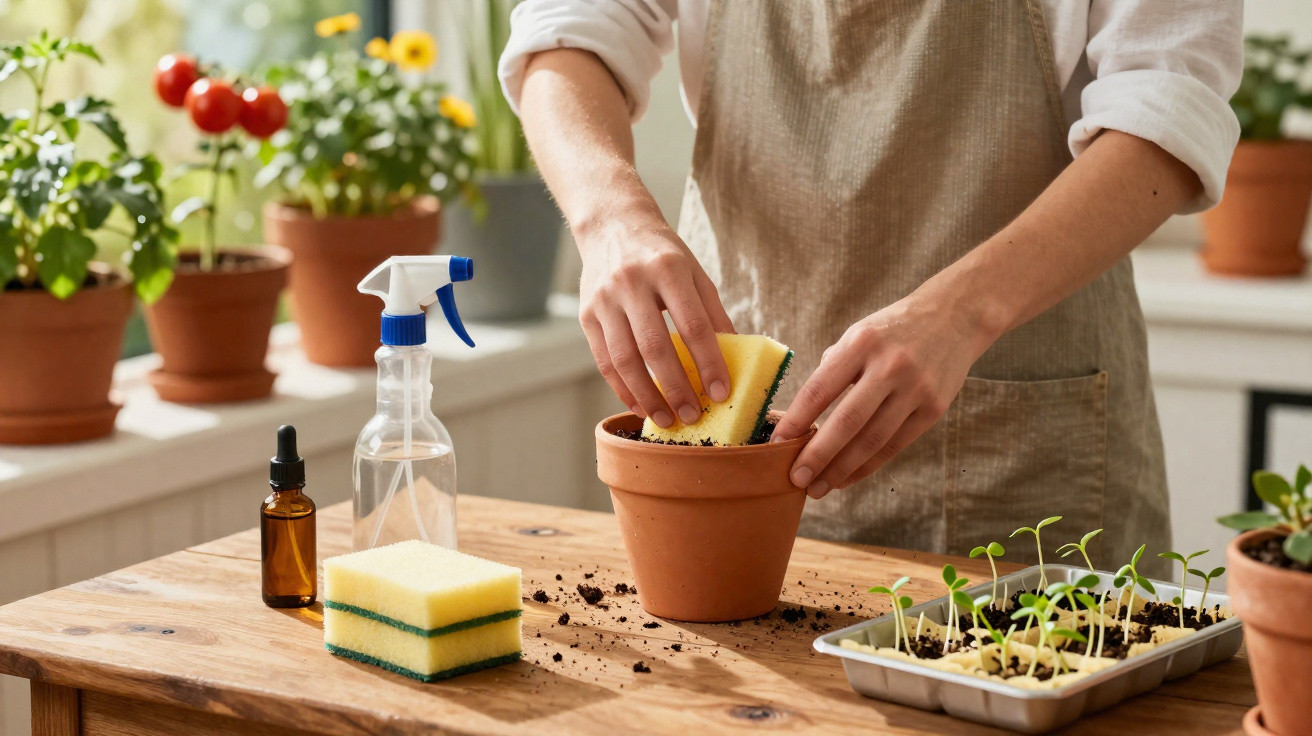
With one simple trick, they can achieve remarkable results in the garden.
Between eggshells, coffee grounds and compost leftovers, many households have another small treasure waiting to be used: the worn-out washing-up sponge. What may seem like ordinary household waste can become a genuinely useful aid for window boxes, vegetable plots and houseplants - provided it is cleaned properly first and used wisely.
Why an old sponge can suddenly be useful in the garden
Washing-up sponges are made from porous material. This is precisely what makes them interesting to gardeners: they retain water, release it gradually and can also provide a little insulation. On a small scale, they perform tasks that would otherwise often require expensive accessories.
“A discarded kitchen sponge can be turned into a miniature water reservoir, a germination aid for seeds or even a natural form of pest protection.”
Before trying any of these uses, however, one step takes priority: thorough cleaning. Kitchen sponges in particular can be real bacterial hotspots. Anyone wishing to use them in the garden should first reduce their germ load, so that pathogens are not transferred to sensitive plants.
Cleaning a sponge: turning kitchen waste into a garden helper
Simply rinsing a used sponge is not enough to reuse it safely. Methods based on heat or acid are considerably more reliable at greatly reducing germs.
Gentle disinfection methods
- Hot water: Place the sponge in boiling water for a few minutes, then allow it to cool fully and squeeze it out.
- Microwave: Heat a damp sponge briefly (around 1 minute) at medium power. Caution: use only sponges without metal parts, and never leave them unattended.
- Vinegar soak: Put the sponge in a mixture of water and clear household vinegar, then leave it to soak for several minutes.
After treatment, the sponge should smell neutral and contain no visible food residue. If it is already crumbly or heavily discoloured, it should be disposed of after all - in a flower bed, it is more likely to cause problems than solve them.
Mini water reservoir: a sponge to ease drought stress
Its most practical everyday use is as a small water store. This can make a noticeable difference, particularly on sunny balconies or for plants that are sensitive to heat.
A hidden water reserve in the flowerpot
Anyone growing plants in pots or boxes will know the issue: the soil can still feel damp at the top while the roots below are already drying out. A sponge can help even this out.
- Moisten the sponge thoroughly, but do not leave it dripping wet.
- Place it either beneath the soil directly beside the root ball or on the bottom of the pot before adding compost.
- Position the soft side towards the soil and the abrasive side facing downwards.
The sponge absorbs excess watering and releases it again as the compost dries. Many amateur gardeners use this technique especially for geraniums, petunias, herbs on the windowsill and balcony boxes exposed to the midday sun.
A practical holiday trick
If you are away for only a weekend and have nobody available to water, place several dampened pieces of sponge in your boxes or planters. Simply set them around the base of the plants and cover them lightly with soil.
“Several damp sponges in a balcony box can extend the time between watering by one or two days - often enough for a short trip.”
The plants should still be watered generously beforehand. A sponge is no substitute for weeks of care, but it buys time and helps prevent rapid drying during hot days.
Sponges as a germination aid: seeds on a soft base
The material is also suitable for raising young plants. Many professionals use loose, damp growing media to support even germination - a small sponge works in much the same way.
How to germinate seeds on pieces of sponge
- Cut a cleaned sponge into small cubes or flat strips.
- Moisten it well, without soaking it.
- Press one seed lightly into each piece.
- Put the pieces in a shallow tray and cover them, for example with transparent film or a lid.
- Keep them somewhere bright, but out of strong direct sunlight.
The material maintains consistent basic moisture while still allowing some air around the surface. Once the seedlings are a few centimetres tall and have developed small roots, the entire sponge piece can be planted in compost with the young plant. After a short time, the roots grow through the material and into the growing medium.
This method is particularly suitable for:
- Cress, rocket and other fast-germinating seeds
- Tomatoes, peppers and chillies for starting indoors
- Lettuce and certain herbs, such as basil
Protection from cold and heat: a sponge as mini insulation
Plants in pots are particularly affected by temperature fluctuations because their root area has little mass. Here, a sponge can help as an additional insulating layer.
How a sponge protects the root area
Place a moistened sponge with its soft side on the soil and secure it with a small stone to create a kind of cushion. At night, it retains a little warmth in the pot; during the day, it shields the surface from direct sun.
It therefore acts rather like miniature mulch:
- Temperature changes around the root ball are less severe.
- The uppermost layer of soil dries out more slowly.
- Delicate young plants get off to a steadier start to the season.
This trick is ideal for early sowings in spring or for container plants on balconies exposed to the first cooler nights. During hot summers, the cover can also extend the watering interval slightly.
Natural pest protection with scented sponges
Sponges are useful not only for water but also as carriers for scents. Some insects avoid particular aromas that people find pleasant or neutral.
Using essential oils against crawling visitors
Pieces of sponge can be soaked with strongly scented plant oils and placed around vulnerable plants. Many amateur gardeners have found the following useful:
- Peppermint oil
- Lemongrass or citronella oil
- Lavender oil, especially around seating areas
A few drops are enough to create a light veil of fragrance. The pieces stay where they are, unlike dried herbs that can quickly blow away. In areas used by children and pets, use sparingly and choose high-quality oils.
“Sponge pieces with fragrant oils can act as a subtle scent barrier in the flower bed, without the use of chemical sprays.”
It is impossible to eliminate feeding damage entirely in a garden - but natural aids like these can help reduce the use of harsh products significantly.
When sponges can cause problems in the garden
Useful as this trick may be, it has some limits. Not every sponge is suitable for every plant, and some materials should never be put in a flower bed in the first place.
- Heavily soiled sponges: It is best to discard those with grease or food residue immediately.
- Persistent smell: Do not reuse a sponge if it smells musty or chemical.
- Very hard water: In areas with hard water, take extra care to avoid salt deposits building up in the pot.
- Cheap coloured or scourer sponges: Brightly coloured, very hard types can release dyes, making them less suitable for use directly around roots.
For maximum peace of mind, choose plain, as neutral as possible household sponges without added chemicals. Also, inspect outdoor sponges regularly and replace them if they become mouldy or start to break down.
Practical examples and everyday combination tips
In day-to-day gardening, the sponge trick combines well with other familiar techniques. For example, anyone using coffee grounds or crushed eggshells to improve the soil can also place a piece of sponge in the root area. This allows nutrients and water to reach the plant more evenly.
For balcony and urban gardens, where every centimetre and every litre of water matters, these small tricks offer noticeable relief. Whether it is a tomato planter, a herb shelf or a miniature bed on the windowsill, a sensibly used old sponge provides more stable moisture, protects plant roots and reduces the need for watering.
Especially during dry summers or in homes without automatic watering, a disposable product can become a useful part of a sustainable gardening routine. Once people have had positive results, they often deliberately set aside their discarded sponges - not for the bin, but for the next planter.




Comments
No comments yet. Be the first to comment!
Leave a Comment