
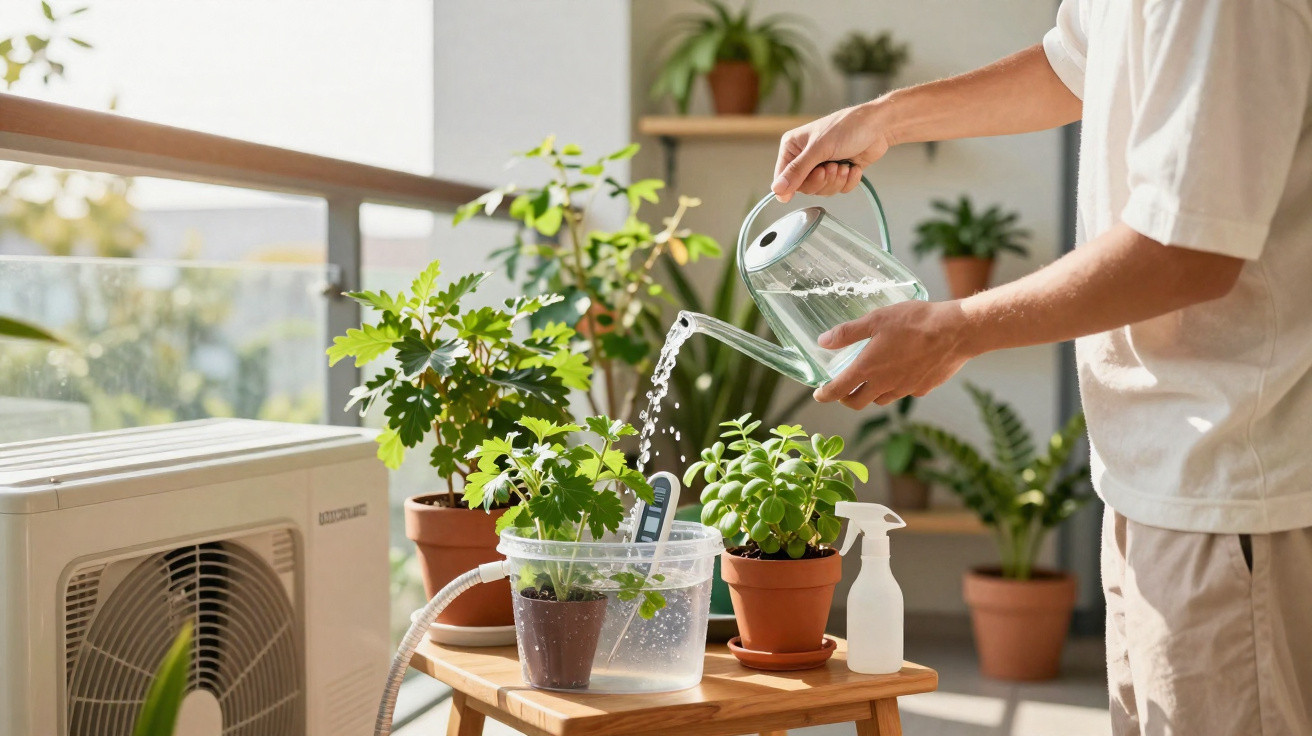
The continuous operation of an air-conditioning unit produces a steady flow through its drain, created from moisture removed from the indoor air. This alternative water source has a low mineral content, allowing it to be efficiently reused for a range of cleaning tasks and for tending the garden’s plants.
How do droplets form inside the unit?
As cooling takes place, warm, humid air travels through the ducts until it reaches the cold surface of the indoor coil. This temperature contrast turns the vapour into liquid, which runs into the lower tray before passing directly into the drainage outlet.
On particularly hot days with high humidity, the system can produce substantial amounts of condensate over several hours. Collecting it prevents unnecessary waste and makes it possible to build a valuable household water reserve.
Is air-conditioner water really distilled?
Although it contains few minerals, the liquid’s journey through the unit can pick up invisible impurities that make it unsuitable for human consumption… Read more
Is this water actually the same as distilled water?
Because it contains very few minerals, condensate closely resembles conventional distilled water, which comes solely from atmospheric vapour. However, as it moves through the appliance, the liquid can come into contact with accumulated dust particles and various microorganisms.
Even when it looks completely clear and transparent, this water must never be drunk or used in food preparation. As it has not received disinfectant treatment, it is unsuitable for consumption and should be limited to strictly household purposes.
Below is a video from the Cristiano RD YouTube channel, which explores practical guidance on the subject in greater detail:
Where can collected water be reused at home?
Using it for routine cleaning is the most suitable use for this volume of water, as it can effectively replace treated tap water. The liquid may be used to wash floors, pavements and garages, providing excellent removal of dirt without excessive expense.
Another sensible option is to use the collected liquid to manually flush toilet bowls or clean tools and outdoor objects. These environmentally friendly practices lower the monthly bill and encourage a sustainable approach to water management across the property.
Practical Household Uses
Safe applications
Main ways to reuse drainage water:
- Cleaning and washing floors, pavements and external garages;
- Manually filling toilet cisterns for flushing;
- Cleaning tools and outdoor maintenance items.
How can condensate be used to water plants?
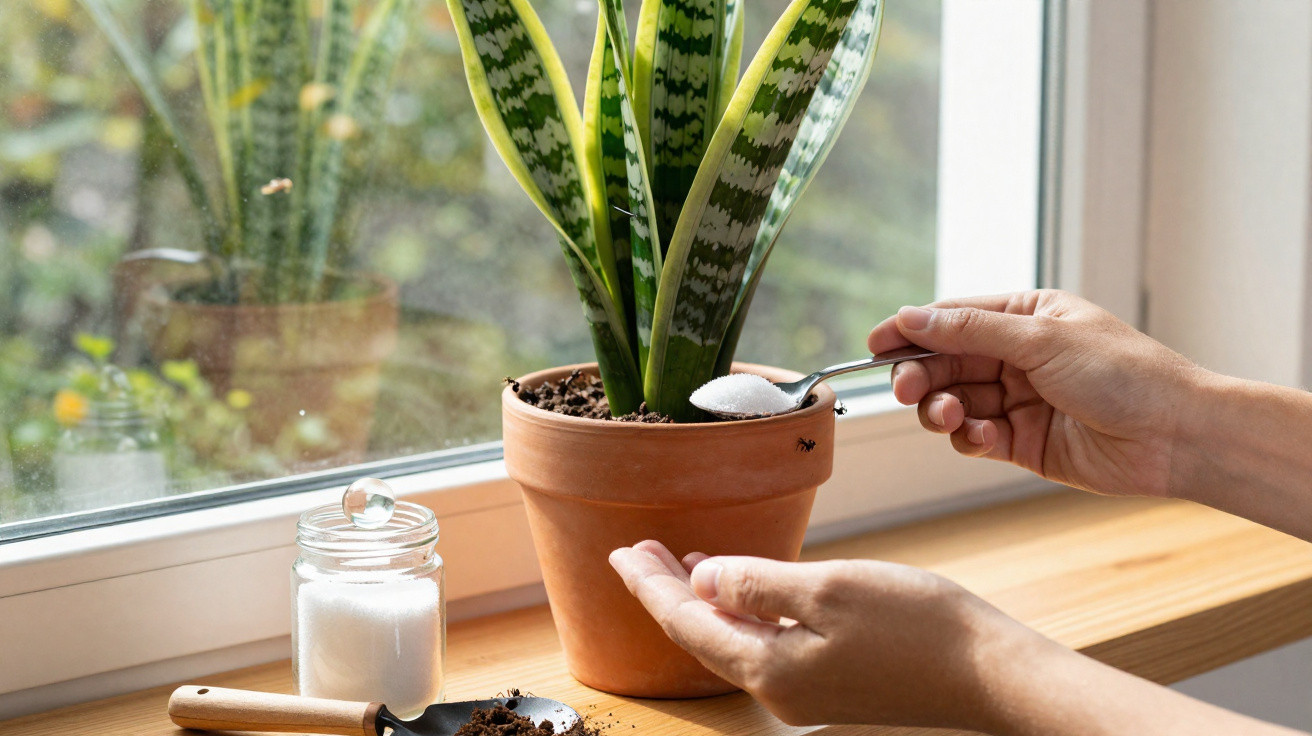
As it has low levels of limescale and other salts, this liquid does not cause the usual mineral build-up on roots and foliage. Ornamental species and potted leafy plants respond well to this watering, keeping the soil nourished and well hydrated.
However, using it on plants requires the air-conditioning system to be properly cleaned so that impurities are not transferred to the leaves. Units without regular preventative maintenance accumulate dirt that can affect healthy development and the balance of cultivated plants.
Here are some essential recommendations for watering plants with this water source:
- Give priority to pots containing ornamental species kept indoors or outdoors;
- Ensure the air-conditioner filters are always cleaned;
- Alternate watering methods when the soil requires specific mineral supplementation.
What precautions ensure safe storage?
The container placed beneath the hose outlet must be securely covered and washed regularly to prevent contamination. Open containers can allow disease-carrying mosquitoes to breed, requiring ongoing attention from everyone in the household.
If the collected liquid has an unpleasant smell, dark particles or an unusual colour, it should be discarded immediately. Using clean water promptly maintains environmental hygiene and supports a sustainable routine with complete peace of mind.

Comments
No comments yet. Be the first to comment!
Leave a Comment