
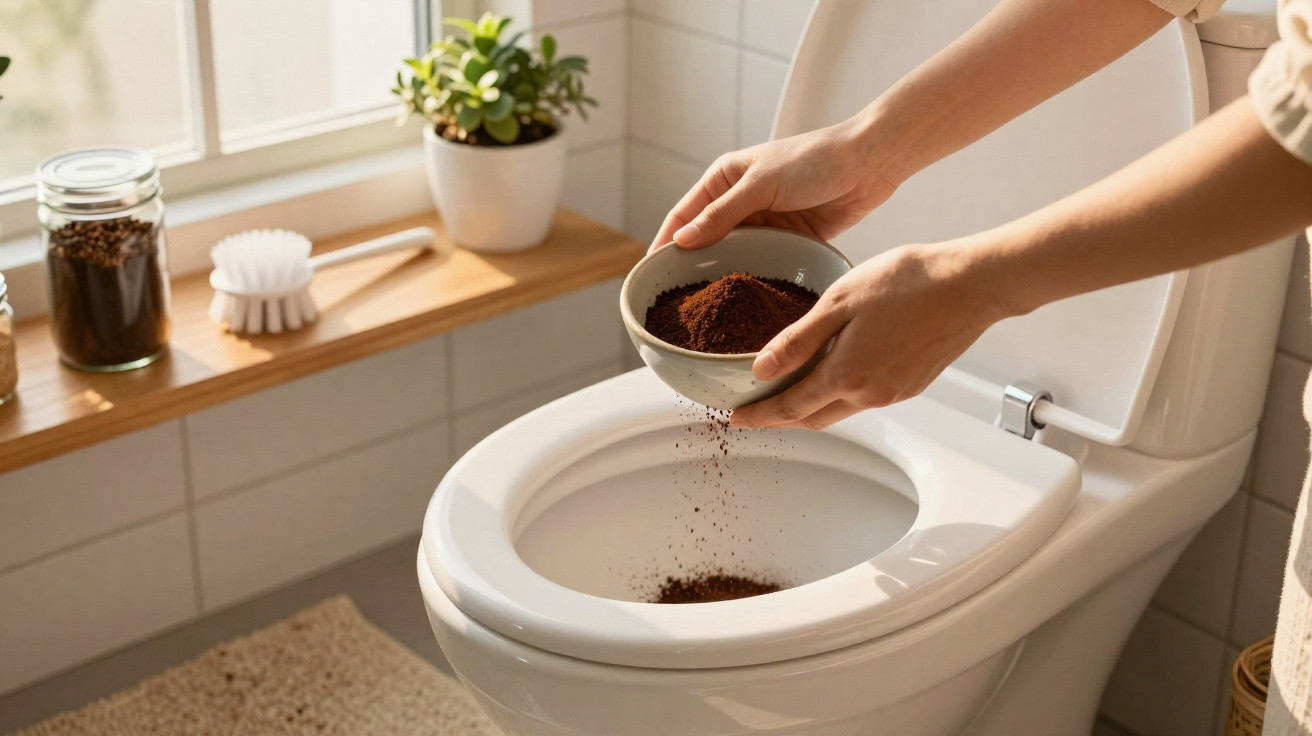
Many people look for eco-friendly ways to maintain their homes by reusing items that would otherwise be thrown away. Coffee grounds offer a practical option for reducing unpleasant smells and helping with the superficial cleaning of the toilet bowl without any fuss.
Why does used coffee help in the bathroom?
The grounds left over from the morning brew still retain useful properties for the home. This organic material works as a straightforward deodoriser, releasing a pleasant scent that neutralises bad odours while helping to lift recent dirt from the bowl.
Its granular texture provides mechanical action against minor marks on the glazed surface. Reusing this waste product can therefore reduce spending on conventional cleaning products, turning an everyday discard into a useful resource for the family routine.
How do coffee grounds eliminate toilet odours?
The remaining grounds trap unpleasant gases through their microporous structure, which acts directly on them. Read more
How do coffee grounds tackle odours?
Unlike chemical products that merely mask strong smells, coffee grounds have a natural ability to adsorb them. Their porous structure can capture volatile compounds, preventing gases from the drains from spreading through an enclosed room.
This deodorising effect creates an immediate feeling of freshness without requiring artificial fragrances. The distinctive aroma of coffee forms a gentle barrier, making the space feel more inviting straight after correct application.
Below is a video from the Quando Menos é Mais YouTube channel, which explores the points covered in this topic in greater depth:
What precautions prevent damage to pipework?
Although it is a sustainable practice, disposing of coffee grounds in the toilet requires care to avoid damaging the household pipework. The fine particles do not fully dissolve in standing water and may create solid deposits in the bends of the pipes.
To avoid unwanted blockages, always use a moderate amount and limit use to occasional cleaning. Avoiding excess ensures the residues pass through the plumbing easily, without affecting the system’s water flow.
Care when using coffee grounds
Safe bathroom applications
Key recommendations for preventing problems with the pipework:
- Use no more than two tablespoons at a time;
- Gently scrub the toilet bowl with the brush;
- Do not dispose of grounds daily, to prevent residue from building up.
How should coffee grounds be applied to the toilet bowl?
The application method should remain simple, making use of the grounds’ friction without harming the sanitaryware. Spreading a small amount over the inner walls allows the substance to soften the build-up without scratching the white ceramic.
Scrub gently with a suitable toilet brush, reaching every necessary area. Then flush the toilet to remove all the material and restore a clean appearance to the treated toilet bowl.
Follow these basic steps to carry out this cleaning safely:
- Place one spoonful of damp coffee grounds around the inner sides of the bowl;
- Scrub the bowl with a toilet brush to loosen superficial marks;
- Flush with plenty of water to rinse the entire pipework.
When should coffee grounds not be used?
Bathrooms already affected by chronic slow drainage or persistent bad smells caused by faults in the trap should not receive the grounds. In these specific circumstances, coffee grounds may worsen the existing blockage and cause problems in the drainage network.
In addition, using coffee must never replace regular disinfection with recommended bactericidal products. Prioritising technical hygiene helps protect the health of everyone in the household from harmful micro-organisms in the environment.



Comments
No comments yet. Be the first to comment!
Leave a Comment