
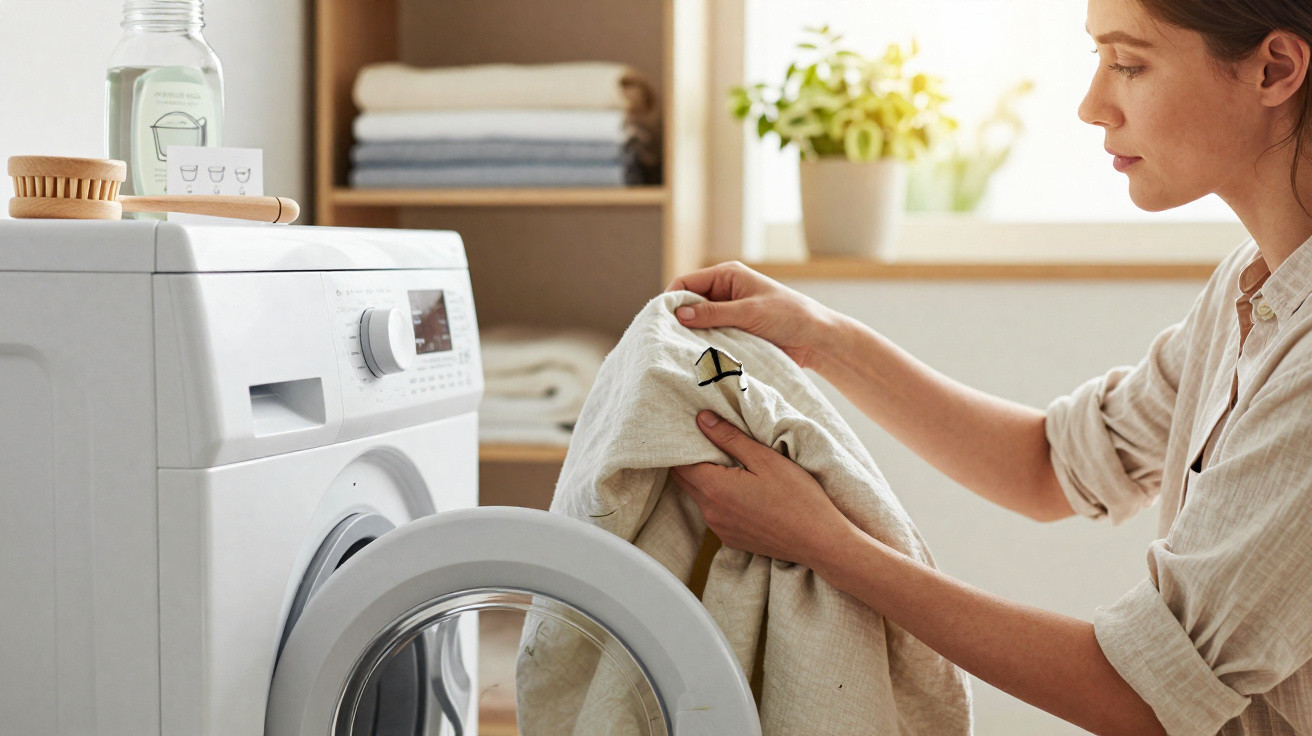
Anyone who now washes their bed linen almost exclusively on the Eco programme may think they are saving electricity, water and fabric. In reality, this approach can soon backfire: in 2026, technicians are reporting noticeably more broken washing machines, persistent odours and ruined bed linen, particularly linen. Behind this supposedly environmentally friendly setting lies a hygiene issue that many people underestimate.
Why the economy setting can coat the inside of your washing machine
The Eco programme on modern washing machines uses comparatively low temperatures, usually around 40 to 50 °C, little water and very long cycle times. That sounds positive for the electricity bill, but is less beneficial for the machine’s internal components.
“Below 60 °C, many bacteria, fungi and germs survive – and find ideal conditions in the lukewarm, damp interior.”
If you wash almost entirely on these gentle cycles, you are effectively creating a small biotope tank in the utility room. In appliances that have barely run hot for months, technicians repeatedly find the same problems:
- Slimy deposits in rubber seals and the folds of the door seal
- Grey-black residue in the detergent drawer
- Clogged hoses and an unpleasant smell of rotten eggs or swamp water
This deposit is called biofilm. It is a gel-like layer made up of:
- Bacteria and fungi
- Detergent and fabric-softener residues
- Lint, skin flakes and fine dust from laundry
Measurements show that millions of so-called colony-forming units can build up on a single door seal. Every lukewarm wash allows this sticky layer to grow further, until eventually it comes away in flakes.
How biofilm can ruin your bed linen
Once pieces of biofilm detach, they end up directly in freshly washed laundry. Light-coloured textiles and open, absorbent fabrics such as linen are particularly vulnerable. They readily absorb the dark streaks and marks, which often cannot be fully removed afterwards.
“Light beige or white linen bed linen can suddenly look grey, stained and musty after only a few months, even though it comes out of the machine ‘freshly washed’.”
Many owners then blame poor detergent or “odd” water quality. In most cases, the cause is inside the appliance: months of relying on the Eco programme have allowed a substantial biofilm to form, which then leaves its marks on pillowcases and duvet covers.
There is also the smell to consider. Even where laundry still looks acceptable, it may retain a hint of cellar, mildew or wet dog. This is especially troublesome in the bedroom, where bed linen sits against the skin and close to the nose for hours at a time.
Overfilling the drum: when bed linen becomes a trial for the washing machine
Alongside hygiene, there is another common mistake: the urge to put “everything in at once”. A duvet cover, fitted sheet and several pillowcases all go in until there is no space left. It may sound efficient, but it overloads many machines.
While dry, the amount can seem manageable. Yet once bed linen absorbs water during the cycle, its weight increases many times over. The load can quickly reach several dozen kilograms – far more than the machine’s construction can reliably withstand in the long term.
The consequences include:
- The drum support becomes unbalanced, causing the machine to “jump” and vibrate heavily.
- Shock absorbers, bearings and the motor wear out considerably faster.
- With too little water, wet bed linen clumps together into a thick ball.
This ball turns heavily inside the drum, meaning that water and detergent can barely reach the inner layers. The result can be:
- Grey streaks
- White detergent marks
- A musty odour that remains noticeable even after drying
Linen in particular, which is naturally somewhat rougher and more densely woven, behaves like a sponge when wet. Unevenly distributed wash liquor leaves unattractive edges that become further ingrained during the next wash.
How to protect bed linen and your washing machine with a few changed habits
The good news is that nobody needs to avoid the Eco programme altogether because of biofilm. What matters is a balanced choice of programmes and a few regular routines.
The 70% rule for drum capacity
Professionals advise never filling the drum to the brim. A reliable guide is the “hand rule”:
- Place laundry in the drum loosely rather than cramming it in.
- Reach into the top of the drum.
- If a flat hand still fits between the pile of laundry and the top of the drum, the load is suitable.
For bed linen, this specifically means:
- Wash a large duvet cover and fitted sheet separately from heavy terry towels.
- Shake out and untangle large items thoroughly before loading them.
- Plan two medium-sized washes instead of one completely overloaded cycle.
Wash hot regularly: the washing machine “reset”
To prevent biofilm from becoming permanently established, the machine needs heat at regular intervals. A sensible pattern is:
- After three Eco washes, schedule one 60 °C wash with bed linen or towels.
- Run an empty 90 °C cycle once a month.
For the empty cycle, one litre of plain, colourless household vinegar is suitable. It reduces deposits and helps neutralise odours. Modern machines generally tolerate this treatment well, provided it is not done every day.
“One hot empty cycle a month acts like a small spring clean for the washing machine – and can often extend its lifespan considerably.”
Airing and drying: small actions with a major effect
After every wash, it is worth taking a brief look inside the machine. If water remains in the rubber seal or detergent drawer, micro-organisms have excellent conditions for growth for days. Three simple measures help greatly:
- Briefly wipe the door seal with a cloth.
- Pull the detergent drawer out slightly and leave it open.
- Leave the washing machine door ajar so air can circulate.
Especially in small bathrooms with high humidity, this prevents the interior from becoming a damp cave.
Which programmes are genuinely suitable for bed linen
Bed linen is considered a hygiene item. Every night, it collects sweat, skin flakes, cosmetic residues and, for many people, pollen. Anyone with allergies should pay even closer attention to selecting the right programme.
| Type of textile | Recommended temperature | Note |
|---|---|---|
| Cotton bed linen (white/light) | 60 °C | provides a significant reduction in germs, suitable for allergies |
| Coloured cotton bed linen | 40–60 °C | follow the colour guidance on the label |
| Linen bed linen | 40–60 °C | use a gentle programme and avoid spinning too strongly |
| Delicate blended fabrics | 30–40 °C | choose an easy-care programme rather than strict Eco |
The pure energy-saving setting, which operates with particularly little water, is far better suited to lightly soiled everyday clothing than to heavy bed linen or sportswear.
Linen bed linen: a refined fabric but sensitive to mistakes
Linen may look robust, but it is sensitive when treated incorrectly. Although its fibres are hard-wearing, they react to:
- Excessive friction in overloaded drums
- Harsh detergents used in too high a dose
- Constant washing in lukewarm, dirty water
The consequences are roughened patches, faster colour loss and the notorious grey haze. Anyone who has invested in high-quality linen bed linen should therefore take particular care over drum loading and programme selection.
A practical compromise is to wash linen at 40 °C with sufficient water on a delicates or easy-care programme, while regularly scheduling separate 60 °C loads with other laundry to keep the machine clean overall.
What “biofilm” means in everyday terms
The term sounds highly technical, but it describes something familiar: a slimy layer like the one found in poorly maintained shower drains or on neglected washing-up sponges. Germs protect one another within this layer and become significantly more resilient. Detergents alone can no longer completely remove it in many cases.
People with sensitive skin or young children in the household should be aware of these connections. What accumulates in the washing machine door seal returns, at least in part, to the laundry with every cycle. Regular hot cleaning can noticeably reduce the risk of irritation and odours.
Adjusting washing habits slightly still allows you to save energy – simply without hidden disadvantages for your washing machine and bed linen. In everyday life, three principles are usually enough: do not overfill the drum, wash hot at least occasionally, and allow the machine to air-dry after every cycle.




Comments
No comments yet. Be the first to comment!
Leave a Comment