
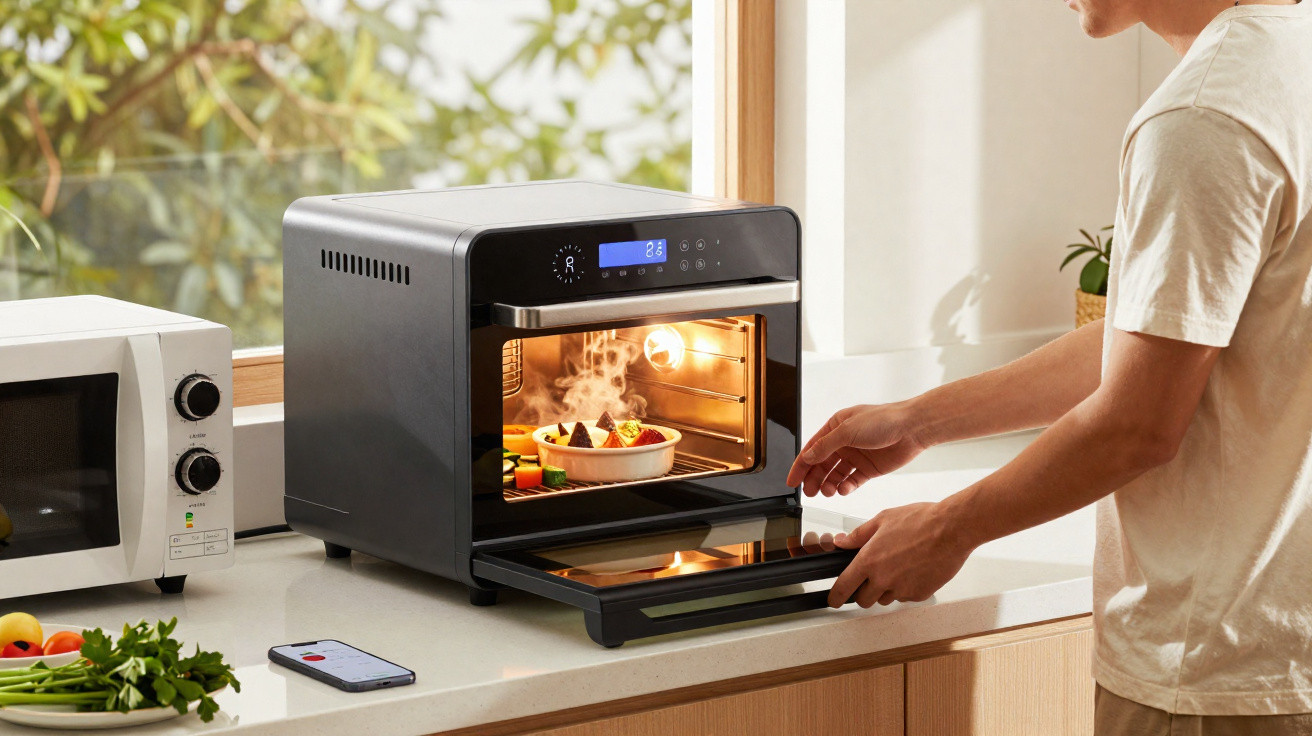
The edges were molten. On the worktop, the microwave beeped as though it had completed its task flawlessly. You prodded the meal, sighed, and returned it for “just 30 more seconds” - yet again.
That familiar kitchen moment is quietly changing in an increasing number of homes. A new appliance is taking over the spot once occupied, without challenge, by the microwave. Resembling a miniature oven more than a magic box, it hums while forcing hot air around its chamber like a tiny jet engine.
Energy specialists say this appliance is not merely better at reheating food. It can draw less electricity, cook more quickly in everyday use and, somehow, make leftovers taste like a proper meal again. Something is changing at the centre of the kitchen.
The quiet rise of the air fryer as a microwave rival
Step into a homeware shop today and the trend is obvious: rows of bulky, shiny air fryers, piled up like miniature spacecraft. By comparison, the microwave section now feels slightly... old-fashioned. Shoppers press touchscreens, pick up baskets and picture crisp potatoes ready in 12 minutes.
Air fryers began as a novelty device for “healthy fries”. They have since developed into a genuine option for the routine reheating and speedy cooking tasks once handled exclusively by the microwave. People now use them for pizza slices, roasted vegetables, chicken and, in desperate moments, even to warm coffee in a heatproof mug.
The change is especially apparent on social media. Search “microwave vs air fryer” on TikTok and you quickly find countless side-by-side trials: one plate looks pale and soggy after the microwave, while the other is golden, with slightly charred edges, after the air fryer.
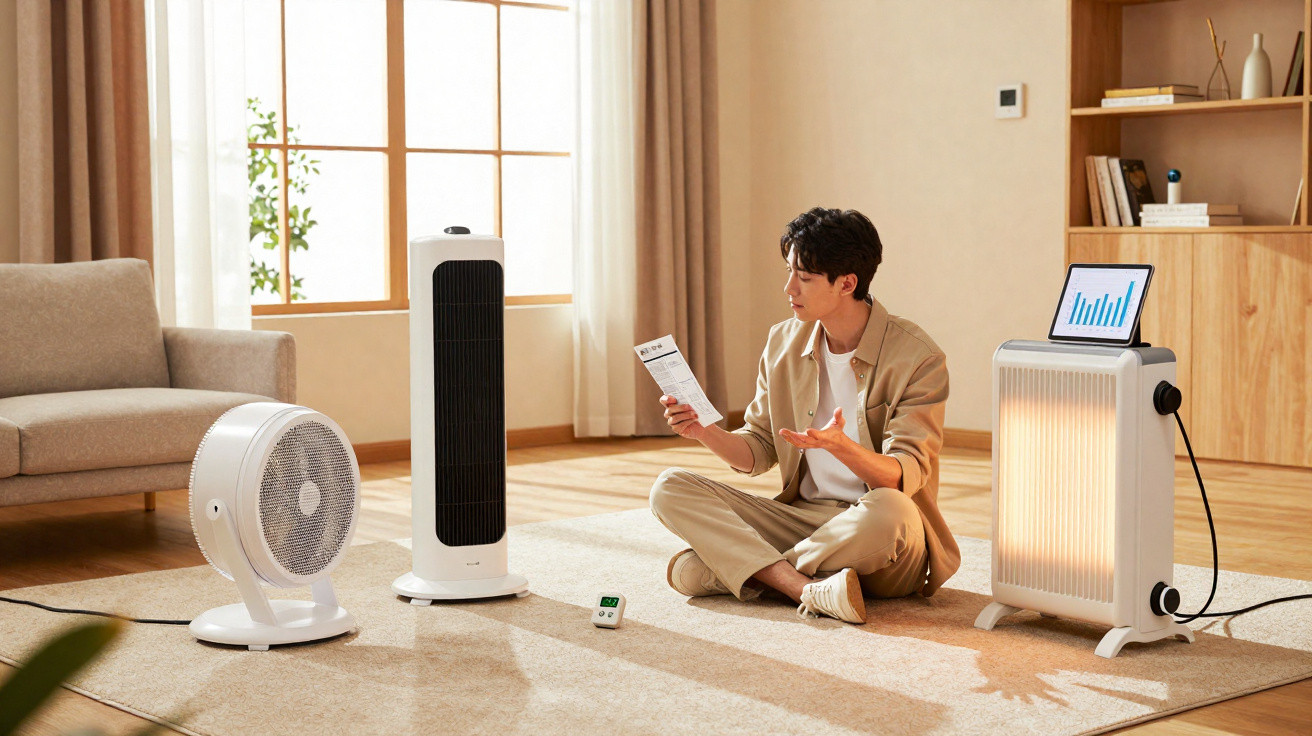
A young London couple monitored their electricity consumption through a harsh winter of escalating energy bills. For three months, they replaced their usual oven-and-microwave combination with predominantly air fryer cooking. Their smart-meter readings indicated that electricity costs associated with cooking fell by around a third.
They began using the air fryer for everything from Sunday roast potatoes to portions of lasagne. Leftover chips that would once have gone directly into the bin after a disappointing microwave reheat became a crunchy snack for the following day. It is a modest behavioural change, but across millions of kitchens it begins to resemble a wider change in household energy use.
Energy charities have noticed the pattern and are holding community-centre workshops featuring air fryers. One organiser admitted that attendance is twice as high when they run “air fryer cooking on a budget” sessions rather than general “healthy cooking” events. The attraction is lower bills and tastier food, not presentation slides.
The engineering case is straightforward. A microwave heats water molecules in food, making it fast, but it cannot brown or crisp surfaces. An air fryer is essentially a small, well-insulated convection oven. It drives hot air forcefully around a compact compartment, allowing heat to transfer rapidly and efficiently.
Its chamber is smaller than that of a conventional oven, meaning there is less air to warm and less energy lost. Research by consumer watchdogs in the UK and US indicates that, for small servings for one or two people, air fryers commonly consume 40–60% less electricity than an oven. They can also match or outperform microwaves once reheating quality and the likelihood of repeated microwave cycles are taken into account.
There is a human element, too: people genuinely like using air fryers. Opening the drawer reveals bubbling cheese or crisp skin. The food looks and smells cooked rather than resurrected. That is important when households are trying to avoid takeaways and make groceries last longer. Flavour and texture shape habits more powerfully than figures on an energy bill.
How to actually use an air fryer instead of your microwave
Replacing microwave use with an air fryer is not a single dramatic decision; it comes through a succession of small choices. Put a leftover pizza slice in the basket rather than on the rotating glass turntable. Warm roasted vegetables in one layer instead of leaving them in a damp plastic container.
A useful basic approach is 160–170°C for 5–8 minutes for most leftovers, stirring or turning them halfway through. With dense dishes such as lasagne or curry, use a small oven-safe dish. Loosely cover it with foil for the first half of the cooking time, then remove the foil so the top can crisp.
Your eyes and nose soon become reliable guides. Food should emerge steaming and gently browned, rather than dull and rubbery. That slight dryness on the surface - the quality microwaves struggle to create - can make last night’s dinner seem freshly made.
One unexpectedly useful tactic is to avoid the oversized plate. Smaller amounts warm more consistently, so dividing food into two batches may be quicker than cramming everything in at once. This applies to nuggets, vegetables and even reheated rice in a shallow dish with a splash of water.
Go easy on yourself while you are learning. On an exhausting Tuesday, you may still press the microwave button for soup or a quick mug of milk. Let’s be honest: nobody really does this every day. The aim is not perfection. It is to move more everyday reheating and quick cooking towards the appliance that produces better results using the same - or less - energy.
Emotionally, these small successes can matter. Chips that genuinely crunch. A croissant that tastes as though it came from a bakery rather than a plastic packet. Most of us have stared at limp microwave leftovers and felt strangely beaten by dinner. An air fryer will not solve everything, but it can improve that particular feeling more often than you might expect.
“When we swapped most of our midweek cooking to the air fryer, we cut our kitchen energy use and stopped throwing away so many sad, soggy leftovers,” says Dr. Hannah Briggs, a household energy researcher. “People underestimate how much texture affects waste.”
A few simple guidelines can make the switch easier:
- Arrange anything you want to crisp - chips, vegetables, wings and toasties - in a single layer.
- For dense foods, lower the temperature a little and increase the cooking time so the centre warms through.
- For messy or sauce-heavy dishes, line the basket with perforated baking parchment or a reusable liner.
- Keep a rough guide in mind: most microwave reheats can be converted to 160–180°C in the air fryer for 6–10 minutes.
What the shift from microwaves to air fryers really changes
When specialists discuss “efficiency”, they mean more than a lower figure on an energy label. They also consider how people cook in practice. A microwave encourages reheating in large, deep bowls and hoping the centre eventually gets hot. An air fryer works best with smaller portions, flatter arrangements and more intentional decisions.
This distinction quietly affects weekly habits. Parents turn to the air fryer for fast after-school snacks, such as a few frozen dumplings, leftover roast potatoes or sliced peppers with oil. Young professionals batch-cook on Sundays and then use the air fryer throughout the week to refresh stews and roasted vegetables in minutes.
It also gently rearranges the pecking order of kitchen appliances. Some households now reserve the microwave mainly for liquids - porridge, tea and reheated soup - while giving the air fryer responsibility for solid foods. Others put away the toaster and use the air fryer for toast, bagels and even cheese toasties. The microwave increasingly appears to be a specialist appliance rather than the default choice.
| Key point | Details | Why it matters to readers |
|---|---|---|
| Energy use for small meals | Independent tests indicate that reheating one portion in an air fryer often consumes 0.2–0.4 kWh, versus 0.5–0.8 kWh for a full-size oven and roughly the same as, or slightly less than, a microwave after repeated cycles are included. | For those cooking for one or two people, moving only a few meals each week to the air fryer can noticeably reduce annual energy bills without altering their diet. |
| Food quality and waste | Air fryers brown and crisp leftover surfaces, so foods such as chips, roasted vegetables, pizza and bread-based meals taste more like freshly cooked food rather than becoming limp or rubbery. | More appealing reheated meals make families less inclined to throw food away or order a takeaway “because dinner looks depressing”, cutting waste and saving money. |
| Real-world cooking speed | An air fryer usually preheats in 2–3 minutes; many thin foods need no preheating at all and can go from fridge to plate in under 10 minutes, including crisping time. | Busy readers can get “microwave-level” convenience with improved texture, making the air fryer a practical weekday appliance rather than only a weekend gadget. |
There is also a subtle psychological impact that specialists do not always measure. If reheating feels more like cooking - with a little sizzle and a visible change - people often place greater value on the meal. They may plate it, sit down and eat with more attention rather than standing at the worktop with a lukewarm bowl.
That does not mean the microwave is vanishing. It remains the better option for hurried defrosting, soft foods, liquids and very delicate items. This is more a reassignment of responsibilities. The microwave remains the rapid thawing machine and soup warmer, while the air fryer becomes the everyday champion for food that should be hot and slightly crunchy.
Once you begin to spot the change, it appears everywhere: in cramped student kitchens with barely enough room for a saucepan; in suburban homes where the air fryer has a permanent place on the worktop while the microwave hums in the background; and in office kitchens, where leftovers at lunchtime suddenly smell delicious instead of faintly miserable.
FAQ
- Can an air fryer really replace my microwave completely? For many people, not fully. Air fryers excel with solid foods - pizza, chicken, vegetables and pastries - when crisp edges and even heating are wanted. Microwaves remain better for soup, porridge, warming drinks and extremely fast defrosting. In reality, many households use their microwave less, but do not remove it altogether.
- Is using an air fryer actually cheaper than using a microwave? It can be for single servings and small meals. Microwaves are highly efficient for each minute of operation, but users often need several cycles because the centre stays cold or the texture is poor. Air fryers generally run a little longer, but heat more evenly and can replace oven use as well. Over several weeks, this combination may reduce total cooking costs, particularly when you are not switching on a large oven for a small meal.
- What foods work best in an air fryer instead of a microwave? Anything improved by some browning or crunch: leftover chips, roast potatoes, pizza slices, chicken, fish fingers, roasted vegetables, pastries and sandwiches such as cheese toasties. Dense, sauce-heavy foods including lasagne or casseroles also warm well in heatproof dishes, provided they are covered initially and crisped on top at the end.
- Are air fryers safe to run every day? Yes, when used properly. They are made for regular use, much like a toaster or compact oven. Leave space around the basket for air circulation, keep vents unobstructed and remove crumbs and grease regularly. Most modern models include automatic shut-off functions, stopping the heat when the timer ends.
- How do I stop food from drying out in the air fryer? Choose slightly lower temperatures and allow a little extra time for leftovers, without overfilling the basket. Cover particularly moist dishes with foil for part of the reheating process, then take it off to brown them. A small drizzle of oil or splash of water in one corner of the dish can revive rice, pasta bakes and similar meals without making them soggy.
Comments
No comments yet. Be the first to comment!
Leave a Comment