
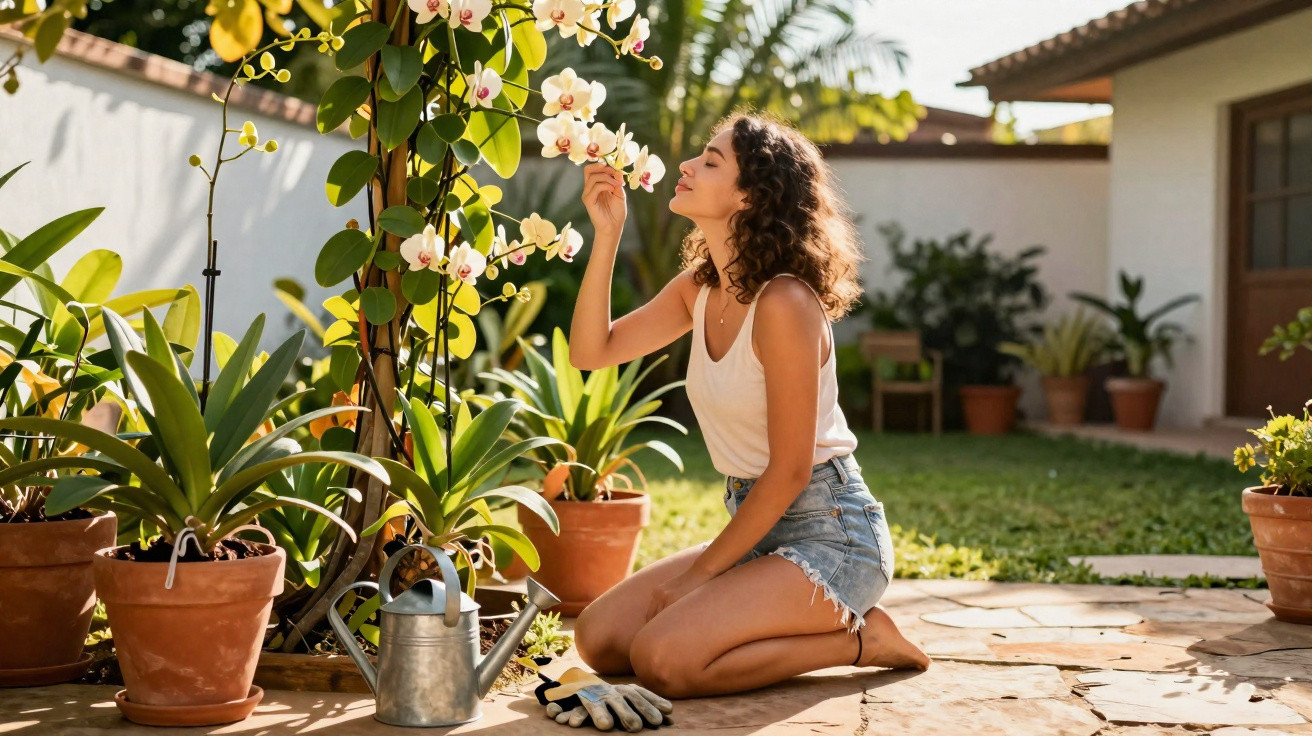
The search for the perfect flower to fragrance the garden has grown among residents in many parts of the country. Among the most sought-after species is a plant with yellowish petals, a vanilla scent and long-lasting flowering, often known as the vanilla flower for the garden. It has been gaining popularity in homes, country properties and small urban gardens because it combines an intense fragrance with easy cultivation, even where space is limited.
Why has the vanilla flower for the garden become so popular?
One of the main reasons demand has risen for this vanilla-scented flower is its mix of a lasting fragrance and minimal maintenance needs. It is generally a hardy, adaptable plant that suits different soil types and climates, making it easier to grow across many regions of Brazil.
Its yellowish petals provide an appealing contrast against green foliage, enhancing flower beds, large pots and even living walls. Its fragrance also tends to become stronger in the late afternoon and early evening, when families make greater use of the garden. This makes the fragrant garden flower ideal for creating a welcoming setting without artificial air fresheners.
Watch a video on the Spagnhol Plantas YouTube channel about easy-to-grow fragrant flowers that release a sweet scent in the garden and enhance its appearance:
https://www.youtube.com/watch?v=pYq7M_eS1p0
How do you choose the best place to plant a fragrant flower in the garden?
Before adding a perfect flower to fragrance the garden to a garden design, it is important to consider the planting spot, the type of container and how close it will be to the house. Often, a single well-planned flower bed is enough to spread the vanilla scent across much of the plot, especially on cooler late afternoons.
A few basic positioning measures can maximise the fragrance and support healthy growth, whether it is planted directly in the ground or in large pots and deep planters:
- Light – it prefers full sun or at least half a day of direct light.
- Ventilation – places with good air circulation help carry the fragrance.
- Distance from the house – planting near doors and windows encourages the scent to enter the home.
- Room to grow – some varieties develop into medium-sized shrubs and need adequate spacing.
How do you care for the hardy flower that blooms for almost the whole year?
Looking after this hardy and fragrant flower is usually straightforward, which explains its growing appeal among beginner gardeners. With balanced watering, moderate feeding and basic attention to the weather, it generally rewards growers with prolonged flowering and a consistent scent, particularly in mild-climate regions.
The soil should remain slightly moist without becoming waterlogged. Watering should be increased on hot days and reduced during colder weather. Organic fertilisers, such as compost or worm castings, applied every two or three months are enough. Removing faded flowers and weak branches through light pruning encourages new growth, while good drainage and some protection from strong winds prevent root problems and broken stems.
What benefits can a fragrant garden all year round offer?
Having a perfect flower to fragrance the garden offers advantages beyond its visual appeal. A garden with a constant scent gives the space its own character, making it easily recognisable to visitors and residents, while the aroma of vanilla is commonly associated with sweet, welcoming sensations in everyday life.
Aromatic flowers attract pollinators such as bees and butterflies, helping to balance the small domestic ecosystem and encouraging interest in other fragrant species. In many homes, the garden vanilla flower serves as an introduction to more regular plant growing, showing that it is possible to enjoy a sweet-smelling garden for virtually the entire year with only a few routine care measures.



Comments
No comments yet. Be the first to comment!
Leave a Comment