
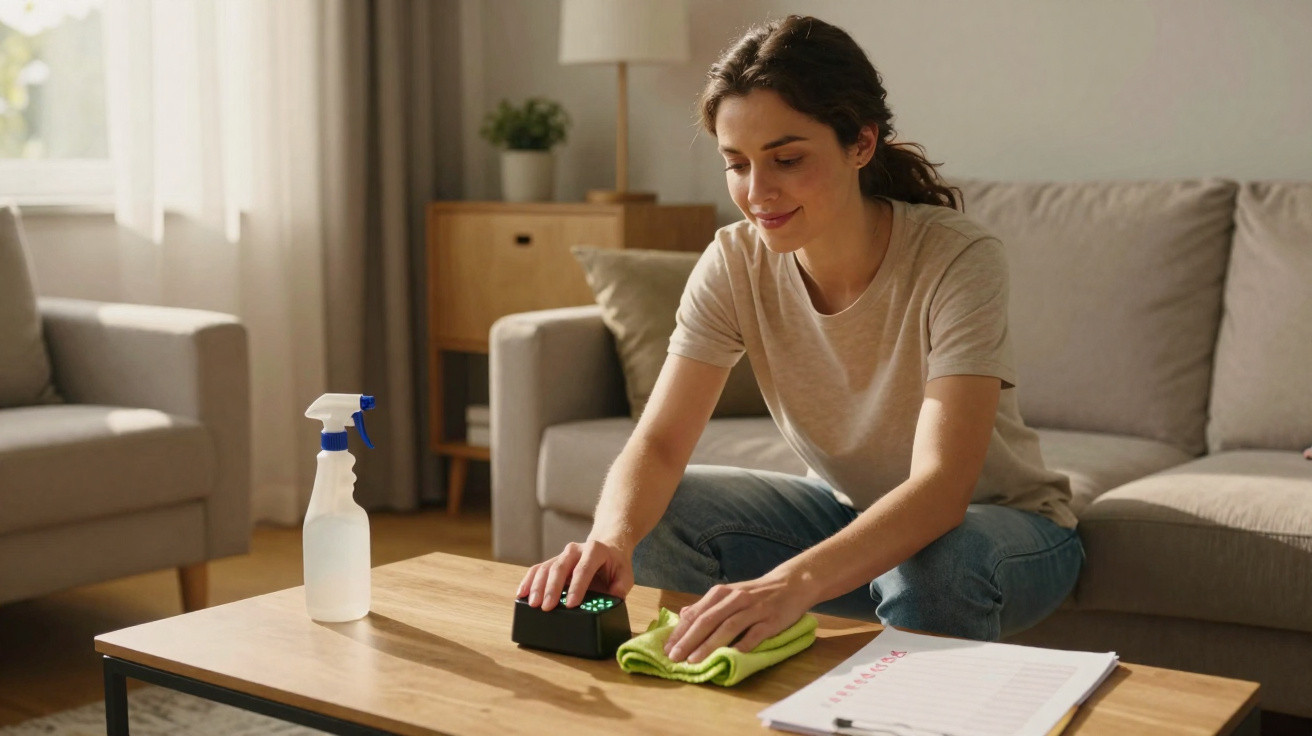
On Wednesday morning, just before guests arrive, the kitchen always seems dirtier than it did the day before. There is a mark on the fridge door, crumbs beneath the table, and that thin film on the worktop that only becomes visible when you lean closer. We all know the moment: three cleaning products, a sponge and plenty of good intentions come out, only for the room to look barely improved an hour later. Professional cleaners are not necessarily quicker because they have extra hands or miracle products. More often, they know one understated, almost ordinary habit that changes both the order of cleaning and the result. It is rarely noticed, yet it prevents you from having to start again.
The secret is not the product: it is the time you give it
In a freshly cleaned flat, there is often one clue that a professional cleaner has been at work: no surface looks as though it has been scrubbed in a rush. The spray was applied, then left alone for a few minutes while she dealt with something else. This pause has a straightforward name: contact time, or dwell time. It is the real basis of the tip. A degreaser, bathroom cleaner or even diluted washing-up liquid works more effectively when it has time to soften the dirt. Scrub less, wait better: this habit makes a considerable difference.
One experienced domestic cleaner explained that she would always spray the shower, handles and toilet bowl before she even unfolded her cloth. For five to ten minutes, she would empty small bins, put away items left out and dust high furniture. By the time she returned to the bathroom, limescale came away with two passes of a microfibre cloth instead of a lengthy arm-straining battle. Over a week, that saving can amount to several dozen minutes. More importantly, it puts less strain on the wrists.
The usual instinct is to spray and wipe straight away, as though the product needs to disappear before it can do its job. In fact, this often removes the cleaning agent before it has dissolved grease, dried soap or toothpaste marks. That leads people to use more product, press harder with an abrasive sponge and sometimes damage a delicate surface. Cleaning is not a race against the clock, even on busy days. It relies on a small amount of organisation: letting the product work while your hands are busy elsewhere.
Professional cleaners' method for cleaning without exhaustion
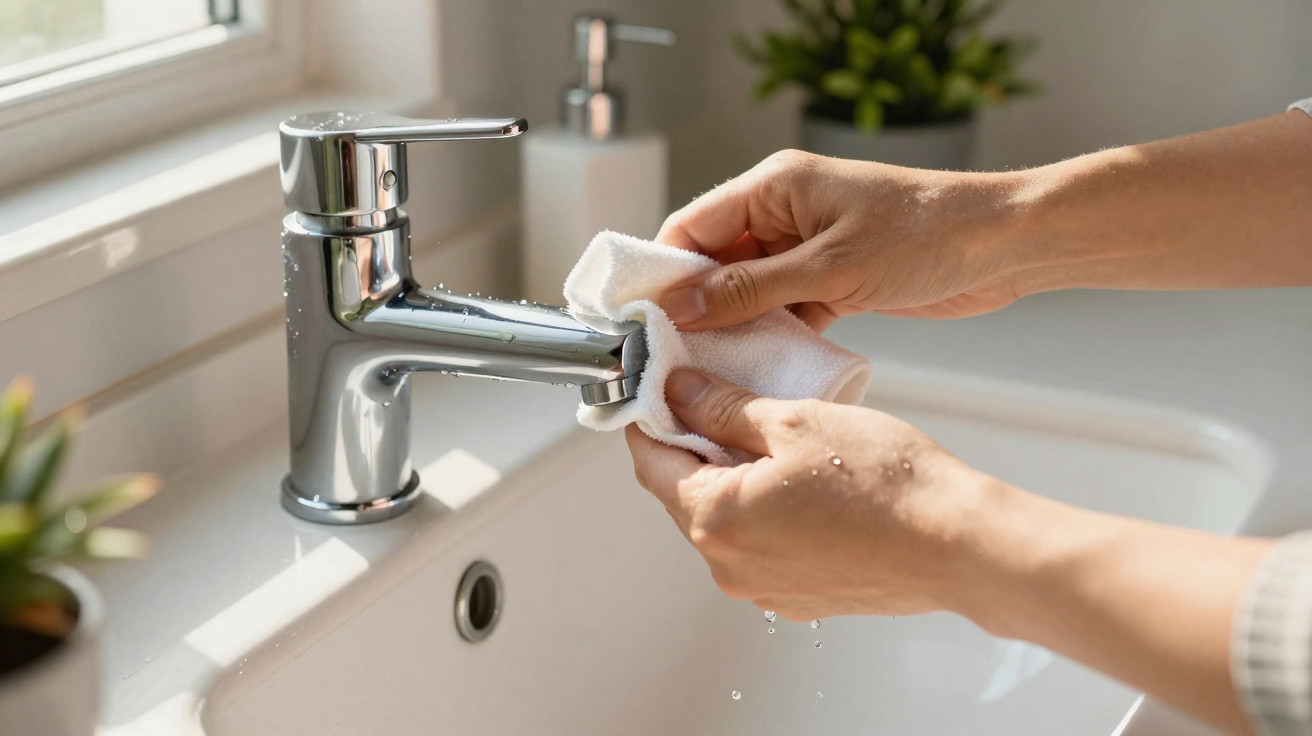
The easiest approach is to begin each room with the areas that need dwell time. In the kitchen, spray the sink, splashback and cooled hob with a suitable product or warm, lightly soapy water. In the bathroom, apply cleaner to the basin, taps and shower, then move on to a dry task: pick up laundry, dust a shelf or replace the towels. Next, return with a damp microfibre cloth, working from the least dirty area to the dirtiest. The method may sound almost too simple. Yet it prevents that familiar, frantic back-and-forth between spray and sponge.
A common mistake is to spray everything without considering the material. Marble, some natural stones, untreated wood and fragile grout do not tolerate acidic products or lengthy dwell times. Read the label, test in an inconspicuous spot and do not mistake effectiveness for harshness. To be honest, nobody really does this every day. The aim is not to turn housework into a laboratory protocol, but to save this habit for the areas where it is worthwhile: the places where grime genuinely sticks and where you would usually end up getting frustrated.
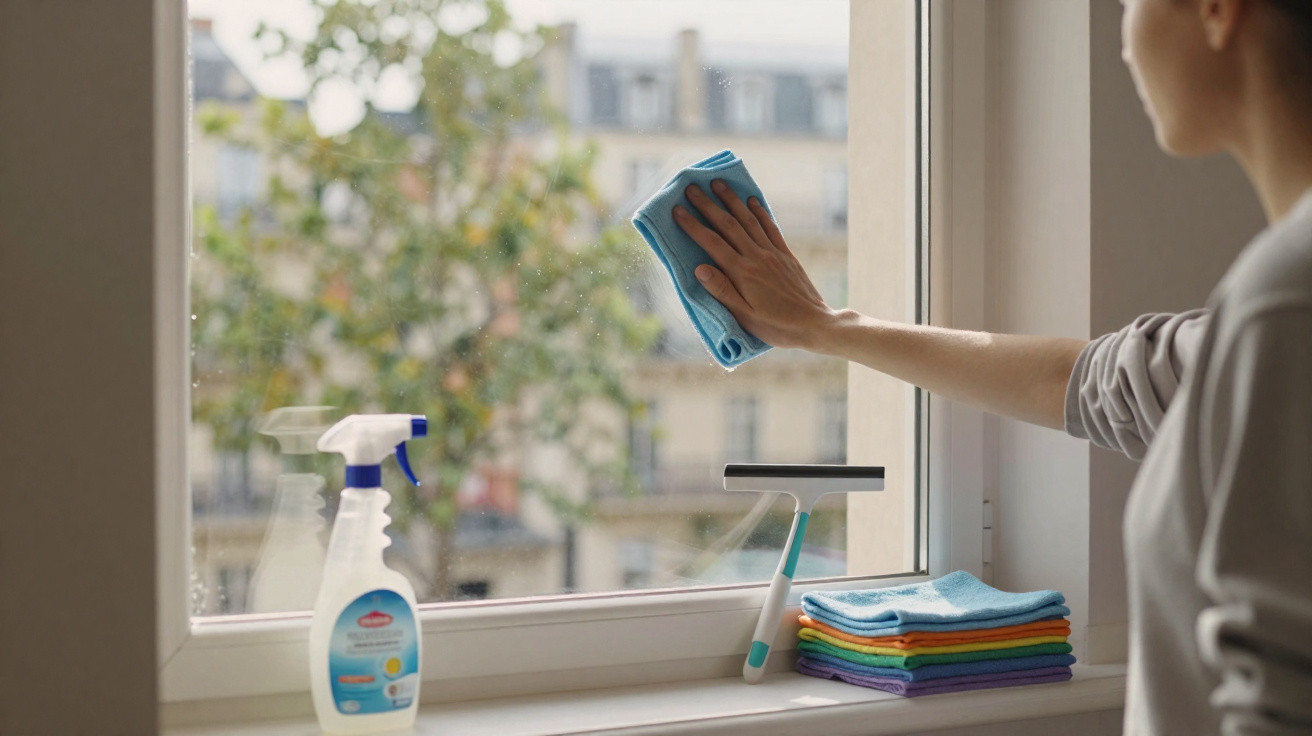
The cloth matters just as much as the product. Professional cleaners often fold it into quarters, allowing them to use several clean sides before rinsing it. This small discipline stops grease being spread across the whole kitchen and creates that clean-looking finish which lasts a little longer.
“I do not clean more; above all, I let the products do the work for me,” sums up Nadia, who has worked as a domestic cleaner for twelve years.
- Spray greasy or limescale-covered surfaces first;
- Wait five minutes, depending on the product and surface;
- Complete another task during that time;
- Wipe using a clean side of the microfibre cloth;
- Rinse areas that come into contact with food.
A small shift that transforms the daily chore
What makes this tip appealing is that it requires neither a cupboard full of bottles, expensive equipment nor extraordinary motivation. It simply changes when you act. Rather than relentlessly attacking a mark, you prepare the surface, allow the product to do part of the work, then return to it. Housework becomes less physical and, surprisingly, less discouraging. A kitchen that looked as though it needed an hour can become a series of short actions, almost easy to fit in between appointments or before starting dinner.
This approach also encourages a different view of our habits. Many households buy a new product whenever the old one seems ineffective, when the issue may instead be wiping too quickly or using a cloth that is already saturated. A clean microfibre cloth, a little warm water where the surface allows it, and a few minutes of patience may be enough. This will not make bathroom grout look new in one go, nor leave the hob flawless after a forgotten gratin. But it can remove that irritating sense of doing a great deal for an average result.
The next time you spot a stubborn mark on a tap or a layer of grease on the extractor hood, it is worth trying the experiment without putting pressure on yourself. Spray, step away, return. There is something reassuring about this short interval: it reminds us that not everything depends on the effort we put into a task. Some will see it as a cleaning method, while others may view it as a gentler way not to be overwhelmed by daily life. And there is a good chance you will think of this tip when you next look at your sponge.
| Key point | Detail | Added value for the reader |
|---|---|---|
| Dwell time | Let the product work for a few minutes before wiping | Lifts grease and limescale more effectively without prolonged scrubbing |
| Room organisation | Spray first, complete a dry task, then return to clean | Reduces unnecessary movements and creates a smoother rhythm |
| Folded microfibre cloth | Use several clean sides before rinsing | Prevents dirt being redeposited on surfaces already cleaned |



Comments
No comments yet. Be the first to comment!
Leave a Comment